Tighter clearance is not always better for heavy-duty motors.
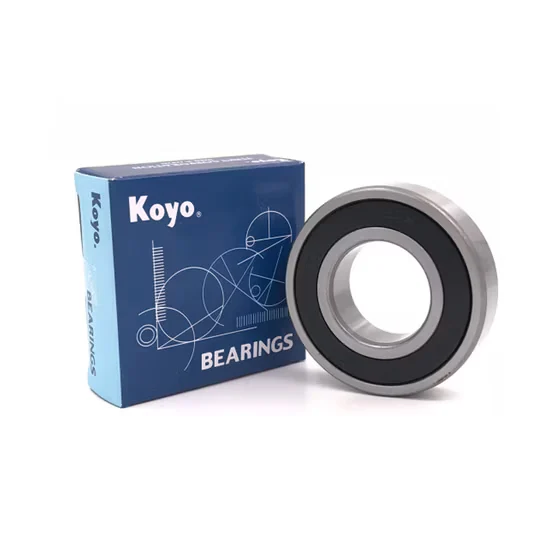
The Koyo 6206ZZC3 is a deep groove ball bearing with 30mm bore, 62mm outer diameter, and 16mm width, featuring C3 internal clearance and ZZ metal shields. This specific configuration is engineered to accommodate thermal expansion in high-heat environments and prevent dust ingress in harsh industrial settings, making it the critical replacement standard for conveyor motors and mining equipment where standard clearance bearings fail prematurely.
I still remember the humidity in Lagos. The air was thick enough to taste, carrying fine cement dust that settled on every surface within hours. A client had ordered a batch of standard Koyo 6206ZZ bearings for their conveyor drive motors. On paper, the specs looked perfect. In reality, the combination of ambient heat and continuous operation caused the inner rings to expand against the shafts. The standard clearance vanished. Within weeks, the motors seized. The production line halted. We had to air freight emergency replacements with C3 clearance, wiping out the entire margin on the original order. That dusty site taught me that suffixes are not just administrative details; they are engineering safeguards. When buyers ask about the Koyo 6206ZZC3, I do not start with pricing. I start with the physics of thermal expansion and contamination control.
Understanding why this specific variant matters requires looking beyond the basic dimensions. It is about matching the bearing’s internal geometry to the physical realities of heavy industry.
What Are the Core Dimensions of Koyo 6206ZZC3?
The physical footprint of the Koyo 6206ZZC3 follows strict ISO standards, ensuring interchangeability across global machinery platforms.
The 6206 designation is universal. It defines the boundary dimensions that allow this bearing to fit into housings and onto shafts designed for this series. However, the suffixes C3 and ZZ modify its internal behavior without changing its external size. For MRO operators and distributors, verifying these dimensions is the first step in preventing installation errors.
| Parameter | Specification | Note |
|---|---|---|
| Bore Diameter (d) | 30 mm | Fits standard 30mm shafts |
| Outer Diameter (D) | 62 mm | Standard housing fit |
| Width (B) | 16 mm | Axial space requirement |
| Internal Clearance | C3 | Greater than normal radial clearance |
| Shielding Type | ZZ | Metal shields on both sides |
| Bearing Type | Deep Groove Ball | Single row, non-separable |
These dimensions comply with ISO 492 standards for radial bearings. The consistency here is vital. A distributor in Southeast Asia sourcing from a global supplier needs to know that a Koyo 6206ZZC3 from one batch will fit the same housing as a unit from another. The load ratings are also critical for application validation. While the static load rating remains high due to the robust steel construction, the dynamic load capacity must be evaluated against the specific speed and vibration profiles of the host machine.
For heavy-equipment OEMs, these dimensions are not just numbers; they are constraints. When designing a new gearbox or pump, the 16mm width allows for compact axial designs, while the 30mm bore handles significant radial loads. The key differentiator is not the size, but what happens inside that 16mm width when the machine heats up.
Why Does the ‘C3’ Suffix Matter for Heavy Motors?
Standard clearance bearings seize in high-heat applications because they lack the necessary expansion gap.
The ‘C3’ suffix indicates radial internal clearance greater than normal. In a standard bearing, the fit between the balls and the raceways is tight. This is ideal for precision machine tools where rigidity is paramount. But in a cement plant conveyor or a mining crusher, the environment is hostile. The motor generates heat. The ambient temperature adds to it. The shaft expands. If the bearing has standard clearance, this thermal expansion closes the internal gap. The balls become preloaded excessively. Friction spikes. Heat builds further. Eventually, the bearing locks up.
The Koyo 6206ZZC3 solves this by providing a predefined expansion gap. This C3 clearance allows the inner ring to expand slightly without forcing the balls into a destructive interference fit. It is a buffer against thermal distortion.
I once consulted for a steel mill in the Middle East. They were experiencing frequent failures in their cooling fan motors. The maintenance team kept replacing them with standard 6206 bearings, assuming the issue was lubrication. It was not. The fans ran continuously in temperatures exceeding forty degrees Celsius. The shafts expanded during operation. By switching to the C3 variant, the failure rate dropped noticeably. The bearings could breathe. They accommodated the thermal growth without generating excessive friction heat.
This is counter-intuitive for many buyers who assume tighter is better. In precision spindles, yes. In heavy-duty motors exposed to heat, no. The C3 clearance is an insurance policy against seizure. For distributors stocking parts for tropical or industrial climates, the Koyo 6206ZZC3 is often a safer default than the standard version. It reduces the risk of catastrophic failure due to thermal mismatch.
How Do ‘ZZ’ Shields Protect in Harsh Environments?
ZZ shields are not just for cleanliness; they retain grease under high-vibration conditions.
The ‘ZZ’ suffix denotes metal shields on both sides of the bearing. Unlike rubber seals (which offer higher protection but generate more friction), metal shields provide a balance of protection and low torque. They are pressed into the outer ring and have a small clearance with the inner ring. This design prevents large particles from entering the raceway while allowing the bearing to run at higher speeds with less heat generation than sealed variants.
In dusty mining sites, open bearings fail quickly. Contaminants enter the raceway, act as abrasives, and destroy the polished surfaces. The ZZ shields on the Koyo 6206ZZC3 block this direct ingress. But their role goes beyond exclusion. They also retain the lubricant. Heavy machinery vibrates. This vibration can cause grease to migrate out of the bearing center. The shields help keep the grease where it belongs, ensuring consistent lubrication over extended service life.
A European wind farm operator once reported that their standard open bearings in auxiliary motors were requiring re-greasing every few months. Dust was contaminating the fresh grease almost immediately. Switching to ZZ-shielded variants extended the maintenance interval significantly. The shields kept the internal environment stable.
However, ZZ shields are not impervious. They cannot withstand high-pressure water jets or submersion. For washdown applications, rubber seals are preferred. But for dry, dusty, or moderately contaminated environments like cement plants, grain silos, or construction equipment, the ZZ shield is the optimal choice. It offers robust protection without the drag penalty of contact seals. This makes the Koyo 6206ZZC3 ideal for applications where efficiency and protection must coexist.
How to Verify Authentic Koyo 6206ZZC3 Specs?
Counterfeit bearings often mimic the packaging but fail to meet the internal clearance and material standards.
The market is flooded with imitation bearings. They may look identical to the genuine Koyo product, but the steel quality, heat treatment, and internal clearance are often substandard. A counterfeit C3 bearing might actually have standard or even negative clearance, leading to the exact failures the C3 spec is designed to prevent. Verifying authenticity is critical for MRO clients who cannot afford unplanned downtime.
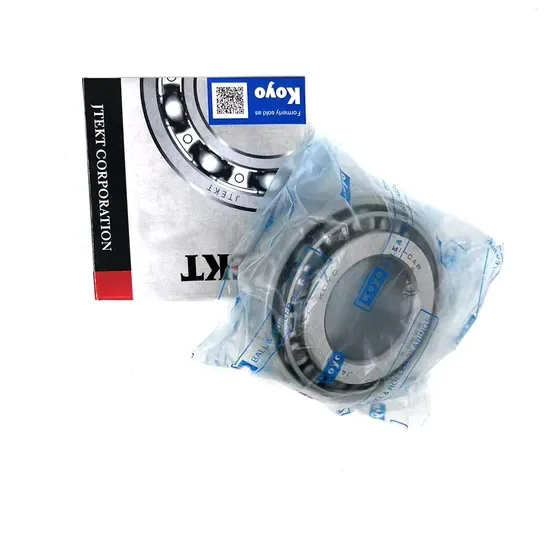
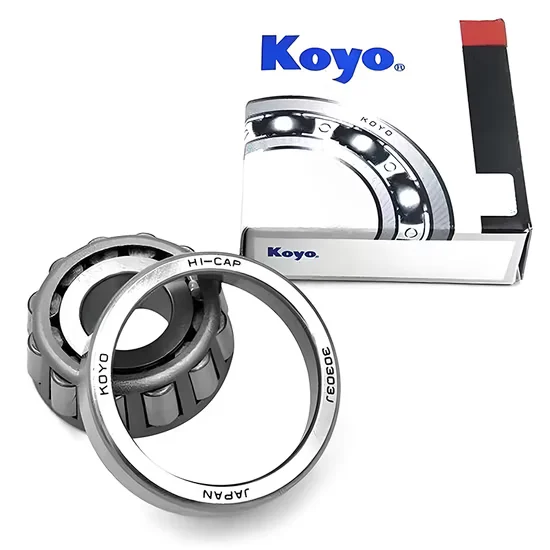
Traceability documentation is the first line of defense. Genuine products come with batch numbers that can be traced back to the manufacturer’s production facilities. Distributors should request these documents. The packaging itself offers clues. Koyo uses specific printing techniques and box structures that are difficult to replicate perfectly. The bearing markings should be laser-etched or stamped clearly, not painted on.
I recall a buyer in Latin America who received a shipment of bearings that looked perfect. The boxes were right. The logos were sharp. But when we tested the radial clearance, it was inconsistent. Some units were tight, others loose. None met the C3 specification reliably. These were fakes. Using them would have led to premature failures.
For global suppliers, maintaining a chain of custody is essential. Sourcing directly from authorized channels or reputable global stockists ensures that the Koyo 6206ZZC3 you receive is genuine. Look for suppliers who offer mixed-brand sourcing with full traceability. They should be able to provide technical datasheets and certification upon request. Do not rely solely on price. A slightly higher cost for verified authenticity is negligible compared to the cost of a halted production line.
Conclusion
The Koyo 6206ZZC3 is an engineering solution, not just a commodity part.
Its value lies in the synergy of C3 clearance and ZZ shields. The clearance prevents thermal seizure in hot environments, while the shields protect against dust and retain lubrication. For industries operating in harsh conditions, this specific configuration is often the difference between reliable operation and costly downtime. Always verify specifications and source from trusted suppliers to ensure authenticity.