Tighter clearance does not mean better precision; in high-speed motors, it causes thermal expansion seizure.
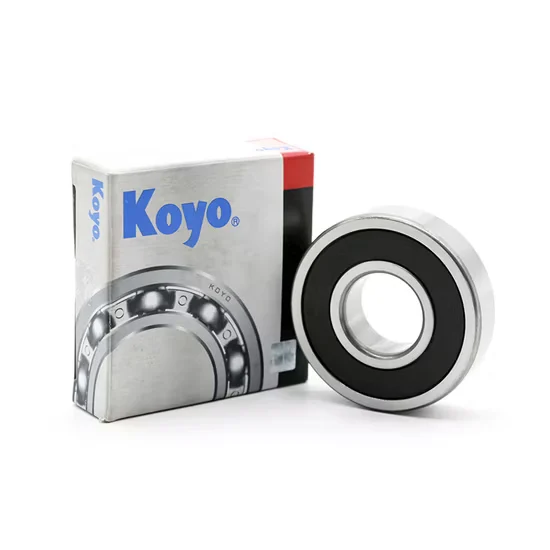
The Koyo 6305-2RSC3 is a deep groove ball bearing with 25mm bore, 62mm outer diameter, and 17mm width, featuring rubber seals on both sides and C3 radial clearance. This specific clearance allows for thermal expansion during operation, preventing overheating and premature failure in electric motors and industrial gearboxes.
I still remember the humid air in the Binh Duong industrial zone when I first walked into that rubber processing plant. The production manager was furious. A batch of new motors had failed within fifteen days of installation. The culprit was not the motor design or the voltage supply, but the bearings. We had sourced what looked like standard Koyo units, but they lacked the critical C3 clearance specification. As the motors ran, the internal heat caused the steel rings to expand. With standard clearance, there was no room for this expansion. The balls jammed against the raceways, generating more heat until the grease carbonized and the shaft seized. That downtime cost the factory far more than the price difference between a standard bearing and a properly specified one.
This experience shaped how I approach sourcing today. It is not just about finding a part number; it is about understanding the mechanical environment where that part will live. For buyers looking for a reliable Koyo 6305-2RSC3 bearing wholesale supplier for sale, knowing why the C3 designation matters is as important as verifying the brand authenticity.
What Are the Core Specs of Koyo 6305-2RSC3?
Understanding the dimensional and clearance specifications is the first step in avoiding compatibility issues.
The 6305 series is one of the most common deep groove ball bearings in industrial applications. However, the suffixes tell the real story. The “2RS” indicates contact rubber seals on both sides, which provide effective protection against dust and moisture while retaining grease. The “C3” denotes a radial internal clearance larger than normal. This is not a tolerance class for the outer dimensions, which adhere to ISO 492 standards for normal precision, but a specific gap between the rolling elements and the raceways.
When comparing the Koyo 6305-2RSC3 to a standard 6305-2RS, the external dimensions remain identical: 25mm inner diameter, 62mm outer diameter, and 17mm width. This ensures drop-in replacement capability for housings and shafts designed for the 6305 series. The difference lies entirely inside the bearing.
| Specification | Standard 6305-2RS | Koyo 6305-2RSC3 |
|---|---|---|
| Bore Diameter (d) | 25 mm | 25 mm |
| Outer Diameter (D) | 62 mm | 62 mm |
| Width (B) | 17 mm | 17 mm |
| Radial Clearance | Normal (CN) | C3 (Greater than Normal) |
| Seal Type | Rubber Contact (2RS) | Rubber Contact (2RS) |
| Primary Application | General Machinery, Low Heat | Electric Motors, High Temp |
A buyer once confused a C3 bearing with a higher precision grade like P5. They are unrelated. Precision grades control the geometric accuracy of the rings and raceways, while clearance controls the internal play. Using a C3 bearing in a low-speed, cold application might result in slightly higher vibration due to the extra play. Conversely, using a standard clearance bearing in a hot motor leads to the seizure scenario I witnessed in Vietnam. For those sourcing from a Koyo 6305-2RSC3 bearing wholesale supplier for sale, ensuring the C3 spec is explicitly stated on the packaging and invoice is non-negotiable for motor applications.
Why is C3 Clearance Critical for Motor Applications?
Standard clearance bearings fail in motors not because of poor quality, but because of physics.
Electric motors generate significant heat during operation. The rotor shaft, typically made of steel, expands as its temperature rises. Simultaneously, the housing may expand at a different rate depending on the material, often aluminum or cast iron. If the bearing has normal internal clearance, this differential expansion reduces the gap between the balls and the raceways. Once that gap disappears, the bearing operates under preload. This creates excessive friction, which generates more heat, leading to a runaway thermal cycle.
The C3 clearance in the Koyo 6305-2RSC3 provides the necessary buffer. It allows the internal components to expand without creating destructive contact pressures. This is particularly vital in enclosed motor designs where airflow is limited and heat dissipation is slow.
I recall an OEM gearbox assembly line where mixed batches caused chaos. Some boxes contained standard clearance bearings, while others had C3. Because the outer dimensions were identical, workers installed them interchangeably. The units with standard bearings in high-load, high-speed test rigs showed early signs of overheating, while the C3 units ran smoothly. The rejection rate spiked because the inconsistency was not caught at incoming inspection. This highlights why buying from a Koyo 6305-2RSC3 bearing wholesale supplier for sale who guarantees batch consistency is crucial. You cannot mix clearance types in the same application and expect uniform performance.
Furthermore, the “2RS” seals require specific attention. These rubber lips contact the inner ring to seal out contaminants. If the wrong type of grease is used, or if the bearing overheats due to incorrect clearance, the grease can break down and leak past the seals. Or worse, the heat can degrade the rubber compound, causing the seal lip to harden and lose its sealing ability. Correct clearance helps maintain optimal operating temperatures, preserving the integrity of the seals.
How to Verify Genuine Koyo 6305-2RS in the Market?
Counterfeit bearings often look perfect on the outside but fail catastrophically under load.
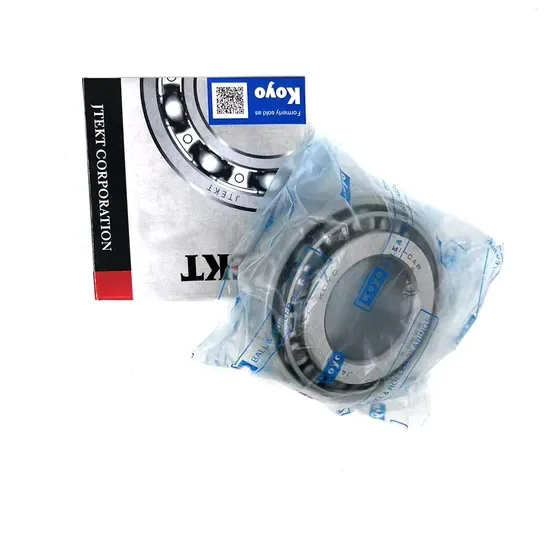
The market is flooded with imitation bearings that carry the Koyo logo but lack the metallurgical quality and precise manufacturing tolerances of the genuine article. Verifying authenticity requires a multi-step approach, starting with the packaging. Genuine Koyo bearings come in boxes with high-quality printing, clear batch numbers, and holographic security labels. The box should match the bearing size and type exactly. A mismatch here is an immediate red flag.
Physical inspection is the next layer. Genuine Koyo bearings have a distinct finish. The steel should be smooth and free from machining marks on the raceways. The laser etching on the side face of the outer ring should be crisp, deep, and evenly spaced. Counterfeits often use shallow stamping or poorly executed laser marks that fade easily. The rotation of a genuine bearing should be smooth and silent, with no gritty feeling.
Traceability is the ultimate safeguard. Reputable suppliers provide documentation linking the bearing back to the manufacturer. This includes certificates of origin and material test reports. When you engage with a Koyo 6305-2RSC3 bearing wholesale supplier for sale, ask for their traceability process. Can they prove the source of their stock? Do they buy directly from authorized distributors or the factory? A supplier who cannot answer these questions clearly is a risk you should not take.
I once helped a client in the Middle East who received a shipment of bearings that failed prematurely. Upon inspection, we found that the grease inside was of inferior quality, lacking the high-temperature stability required for their application. The bearings themselves were dimensional matches, but the internal components were made from lower-grade steel. This is why buying based on price alone is dangerous. The cost of a single machine breakdown dwarfs the savings from cheap bearings.
What Are the Cross-Brand Alternatives for 6305-2RSC3?
Supply chain disruptions require flexible sourcing strategies without compromising specifications.
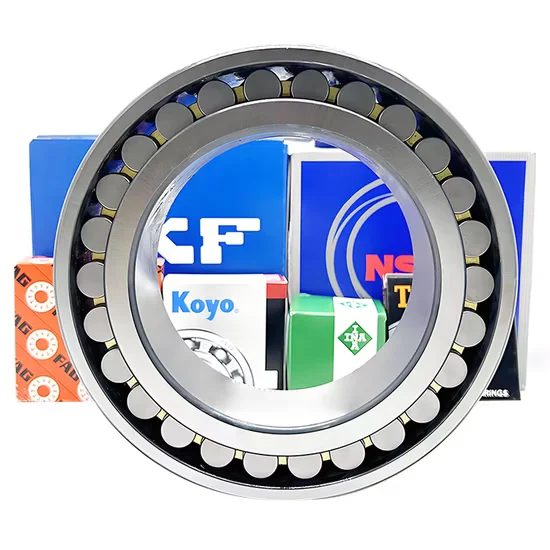
There are times when Koyo stock is unavailable, or lead times are too long for urgent MRO needs. In these situations, knowing the cross-brand equivalents is essential. Major brands like SKF, FAG, NTN, and NSK produce bearings with identical dimensions and similar performance characteristics. For example, an SKF 6305-2RS/C3 or an FAG 6305-2RSR-C3 are direct functional equivalents. The key is to maintain the “2RS” seal type and the “C3” clearance designation. Dropping either of these specs changes the bearing’s suitability for the application.
However, interchangeability is not always seamless. Different manufacturers may use slightly different grease formulations in their sealed bearings. While most standard lithium-based greases are compatible, mixing brands in the same machine can sometimes lead to chemical reactions that degrade the lubricant. It is best practice to stick to one brand per machine or ensure grease compatibility before switching.
For MRO operators facing emergency breakdowns, having a supplier who stocks multiple brands is a strategic advantage. Instead of waiting weeks for a specific Koyo shipment, you can source a genuine SKF or NTN equivalent from stock. This flexibility minimizes downtime. But this requires a supplier who understands technical equivalence, not just part numbers. A Koyo 6305-2RSC3 bearing wholesale supplier for sale should also be able to advise on these alternatives, ensuring you get a bearing that meets the same ISO standards and load ratings.
I worked with a wind farm operator who faced a critical turbine failure. The specified bearing was out of stock globally. By leveraging a network of trusted brands, we sourced a high-quality equivalent that met the rigorous load and speed requirements. The turbine was back online in days, not months. This kind of problem-solving is what separates a parts vendor from a true supply partner.
Conclusion
Selecting the right bearing is about matching specifications to operating conditions, not just filling a slot.
The Koyo 6305-2RSC3 is a precise engineering component designed for demanding environments. Its C3 clearance is the key to longevity in hot, high-speed applications like electric motors. Ignoring this detail leads to preventable failures and costly downtime. Verifying authenticity and understanding cross-brand alternatives further secure your supply chain. Whether you are stocking up for resale or replacing a critical component, prioritize technical accuracy and traceable quality.