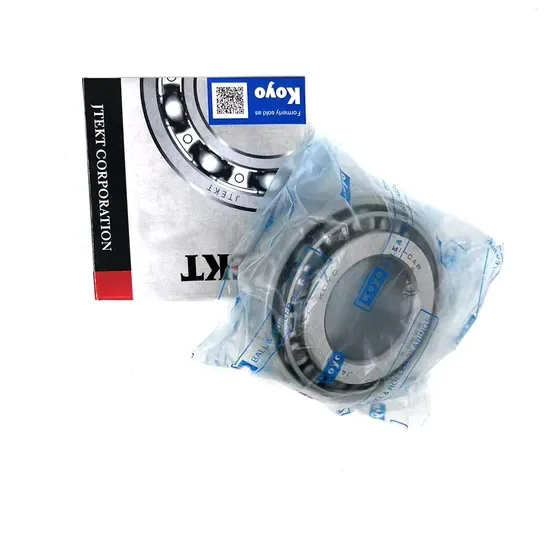
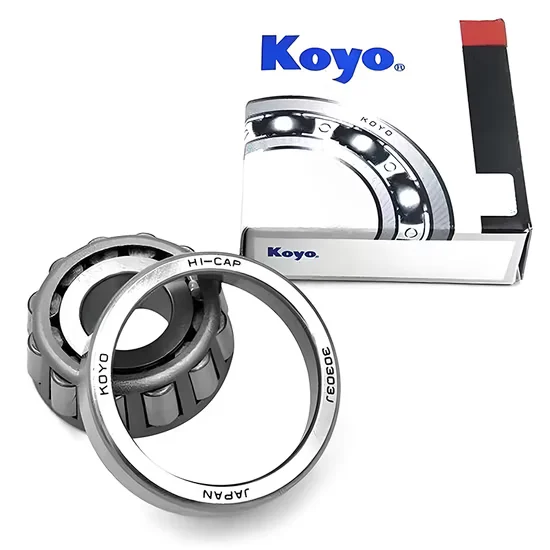
Most bearing failures are not caused by incorrect specifications, but by transit damage from poor stowage plans.
The core specifications for a KOYO NJ308 cylindrical roller bearing include an inner diameter of 40 mm, an outer diameter of 90 mm, and a width of 23 mm. However, accurate technical data is only half the equation. Verifying batch traceability through mill test certificates and ensuring precise export documentation for gross weight and anti-rust protection are equally critical to prevent customs delays and cargo rejection. A KOYO NJ308 cylindrical roller bearing wholesale supplier for sale must provide both dimensional accuracy and logistical transparency to ensure equipment reliability and smooth international transit.
Sourcing industrial components often feels like a numbers game, where the lowest unit price dictates the winner. Yet, in global trade, the real cost emerges when a container sits at a port because a commercial invoice lacked specific gross weight details or because anti-rust oil leaked onto cartons due to improper stowage. I learned this early in my career handling clearance at Ningbo Port, where a single missing decimal on a pallet declaration could halt an entire shipment. Today, when evaluating a KOYO NJ308 cylindrical roller bearing wholesale supplier for sale, I look beyond the catalog numbers. I examine the paper trail that proves the metal inside the box is genuine and the logistics plan that ensures it arrives intact.
What Are the Core Dimensions and Load Specs of KOYO NJ308?
Precision in mechanical design relies on exact dimensional tolerances and verified load ratings.
When integrating a cylindrical roller bearing into heavy machinery, such as mining crushers or gearboxes, engineers depend on strict adherence to ISO dimension standards. The KOYO NJ308 features a bore diameter of 40 mm, an outside diameter of 90 mm, and a total width of 23 mm. These dimensions define its fit within housing units and shafts. Beyond geometry, the dynamic and static load ratings determine its operational lifespan under stress. The dynamic load rating indicates the constant radial load the bearing can endure for a basic rating life of one million revolutions, while the static load rating represents the maximum load it can withstand without permanent deformation when stationary.
| Parameter | Specification Detail | Verification Standard |
|---|---|---|
| Inner Diameter (d) | 40 mm | ISO 15:2017 |
| Outer Diameter (D) | 90 mm | ISO 15:2017 |
| Width (B) | 23 mm | ISO 15:2017 |
| Dynamic Load Rating (Cr) | Verified per KOYO catalog | Manufacturer technical data sheet |
| Static Load Rating (C0) | Verified per KOYO catalog | Manufacturer technical data sheet |
| Limiting Speed | Grease/Oil dependent | Application-specific calculation |
A European wind farm operator once faced premature failure in their pitch systems. The initial diagnosis pointed to incorrect load calculations. However, upon inspecting the failed units, we found that the bearings matched the required KOYO NJ308 specs perfectly. The root cause was not the bearing itself, but the vibration profiles during transport that exceeded the static limits due to inadequate cushioning. This highlights why understanding the NJ308 dynamic load rating is not just about selecting the right part, but also about protecting it before installation. When sourcing from a KOYO NJ308 cylindrical roller bearing wholesale supplier for sale, request the specific load rating charts to cross-reference with your application’s expected stress levels.
How to Verify KOYO NJ308 Authenticity and Batch Traceability?
Authenticity is proven through batch-level traceability, not just brand markings on the ring.
Counterfeit bearings often mimic the external appearance of premium brands but fail in material purity and heat treatment consistency. To verify authenticity, buyers must demand documentation that links the physical product to the manufacturer’s production facilities. This includes mill test certificates that detail the steel composition and hardness tests for the specific batch number stamped on the bearing. Without this link, you are purchasing undocumented stock, which carries a higher risk of inconsistent performance and earlier fatigue failure.
The process begins with checking the packaging integrity and the batch code. Genuine KOYO products feature laser-etched or stamped codes that correspond to internal production records. A reliable supplier will provide a certificate of origin and a quality inspection report that matches these codes. In one instance, a distributor in Southeast Asia reduced their replacement frequency noticeably after switching from generic stock to fully traceable KOYO batches. The ability to track the history of the steel used in the bearing allows for better failure analysis and warranty claims if issues arise.
When evaluating a KOYO NJ308 cylindrical roller bearing wholesale supplier for sale, ask for a sample mill certificate before placing a bulk order. Check if the document includes the heat number, chemical composition ranges, and hardness values. If the supplier cannot provide batch-specific data, they may be reselling mixed lots from various sources, which compromises the consistency required for high-precision applications. Traceability is not just a bureaucratic requirement; it is a safeguard against material defects that could lead to catastrophic equipment downtime.
Why Do Shipping Documents Make or Break Your Bearing Deal?
Customs rejection over missing paperwork costs more than the savings from a lower unit price.
International shipping involves complex regulatory requirements that vary by destination country. For industrial goods like bearings, commercial invoices must accurately declare the harmonicized system (HS) codes, gross weights, and country of origin. A common error is listing only the net weight of the bearings while omitting the weight of wooden pallets and packaging materials. This discrepancy can trigger customs inspections, leading to delays that stretch into weeks. During this time, the cargo may be exposed to humidity and temperature fluctuations that compromise the anti-rust protection.
I recall a shipment bound for the Middle East where the commercial invoice did not specify the exact gross weight for the wooden pallets. The anti-rust oil, essential for protecting the steel surfaces during sea transit, leaked onto the cartons due to movement in the container. The client refused the balance payment, citing stained packaging as evidence of poor handling. The loss was significant, far exceeding the initial profit margin. This incident underscores the importance of detailed stowage plans and accurate declarations.
To avoid such pitfalls, ensure that your supplier provides comprehensive shipping documents. These should include a packed list with itemized weights, a certificate of origin, and any necessary fumigation certificates for wooden packaging. A professional KOYO NJ308 cylindrical roller bearing wholesale supplier for sale will have experience navigating these regulatory landscapes and can guide you on the specific documentation required for your target market. Proper paperwork ensures that the cargo moves smoothly through ports, maintaining its condition and value.
How to Ensure Smooth Customs Clearance for KOYO NJ308 Imports?
Accurate HS code classification and gross weight declaration prevent costly border delays.
Customs authorities rely on precise data to assess duties and ensure compliance with import regulations. Misclassifying bearings under an incorrect HS code can result in higher tariffs or penalties. For cylindrical roller bearings, the correct classification typically falls under specific subheadings that distinguish them from ball bearings or other types. Additionally, declaring the exact gross weight, including packaging, is crucial for verifying the cargo against the bill of lading. Discrepancies here often lead to physical inspections, which increase the risk of damage and delay.
A US buyer once experienced a month-long delay because their supplier declared the net weight instead of the gross weight. The customs officers flagged the shipment for verification, requiring the importer to provide additional proof of weight. This not only incurred storage fees but also disrupted the buyer’s maintenance schedule. To prevent this, work with suppliers who understand the nuances of international trade documentation. They should provide pre-shipment inspections that verify weights and counts against the commercial invoice.
Furthermore, consider the packaging method. Wooden pallets require fumigation certificates in many countries to prevent the spread of pests. Ensuring that these certificates are included in the document set avoids rejection at the port of entry. When selecting a KOYO NJ308 cylindrical roller bearing wholesale supplier for sale, prioritize those who offer end-to-end logistics support, including document preparation and compliance checks. This proactive approach minimizes the risk of customs issues and ensures timely delivery.
Conclusion
Reliable sourcing combines technical precision with logistical diligence.
Securing the right KOYO NJ308 requires more than matching dimensions; it demands verification of batch traceability and meticulous attention to export documentation. By prioritizing suppliers who provide complete mill certificates and accurate shipping papers, buyers protect their investments from counterfeit risks and customs delays. This holistic approach ensures that every bearing arrives ready for installation, supporting the longevity and efficiency of industrial operations worldwide.