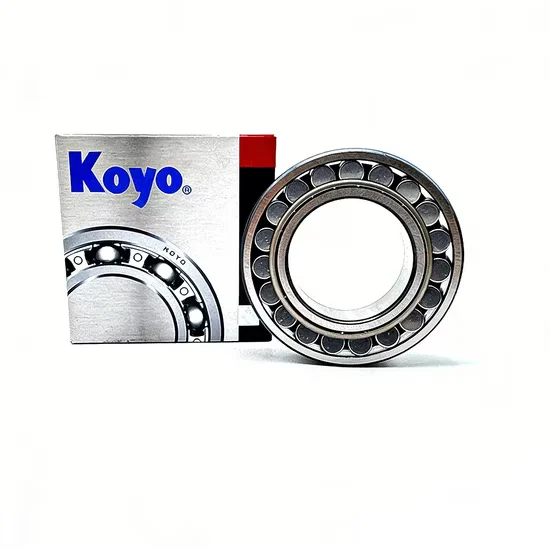
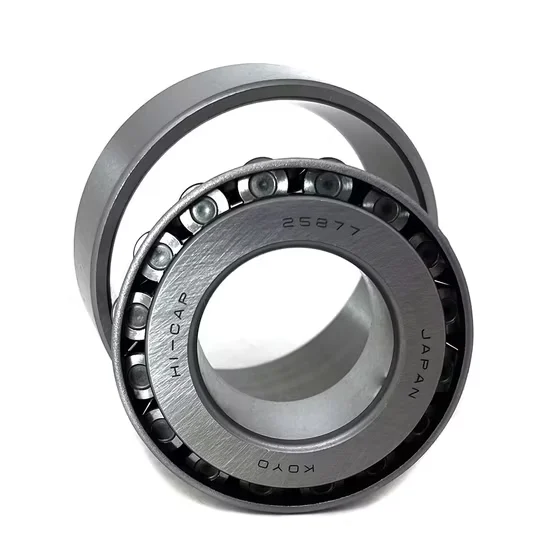
A single letter in a bearing suffix can trigger weeks of port detention.
Cross-brand spherical bearing substitution requires exact suffix matching for cages and clearances; a base number match is insufficient. A mismatch in cage design or internal clearance codes between Koyo, SKF, and FAG leads to immediate installation failure, hidden logistics costs, and production downtime.
I learned this the hard way at Apapa Port. I was handling documentation for a shipment to a cement plant in Nigeria. The order specified Koyo 22328 bearings. Confident in the base number, I sourced the SKF equivalent, listing it as CC/W33. The cargo arrived at Lekki Port, but the site engineer rejected it immediately. The cage type and internal clearance did not match the original equipment specifications. The bearings sat in the port for half a month, accruing demurrage fees that ate into the project margin. We eventually had to air freight the correct CA suffix bearings to save the installation schedule. That delay taught me that suffixes are not just administrative codes; they define physical compatibility.
This experience reshaped how I approach cross-brand sourcing. Today, I verify every suffix character before a container leaves the warehouse. For buyers navigating the complex landscape of industrial maintenance, understanding these codes is critical. This guide breaks down the suffix differences between major brands to prevent costly errors.
Why Do Suffixes Matter in Cross-Brand Substitution?
Suffixes define physical compatibility, not just brand preference.
Many buyers assume that if the base number matches, the bearing is interchangeable. This is a dangerous misconception. The base number indicates the boundary dimensions and basic load ratings, but the suffixes dictate the internal construction. These include the cage material, design, internal clearance, and lubrication features.
When substituting a Koyo bearing with an SKF or FAG equivalent, the cage design is often the first point of failure. Koyo typically uses a stamped steel cage, denoted by specific suffixes, while SKF might use a machined brass or steel cage. If the application involves high vibration or heavy shock loads, the cage strength becomes critical. A stamped cage might deform under conditions where a machined cage would hold firm.
Internal clearance is another vital parameter. Bearings are manufactured with different internal clearances to accommodate thermal expansion and fit tolerances. A standard clearance bearing might seize in a high-temperature environment where a C3 clearance bearing would operate smoothly. Mixing these up leads to premature fatigue and catastrophic failure.
Furthermore, lubrication grooves and holes are specified by suffixes. If a replacement bearing lacks the necessary lubrication features for the housing design, grease cannot reach the rolling elements effectively. This results in dry running and rapid wear. Understanding these nuances is essential for any MRO buyer or distributor aiming to maintain equipment reliability.
Koyo vs SKF vs FAG: Suffix Comparison Matrix
Accurate cross-referencing requires a detailed mapping of cage, clearance, and lubrication codes.
To facilitate accurate substitution, we have compiled a comparison matrix for common spherical roller bearing suffixes. This table highlights the equivalent codes for Koyo, SKF, and FAG. Note that while functions may be similar, the codes differ significantly.
| Feature | Koyo Suffix | SKF Suffix | FAG Suffix | Description |
|---|---|---|---|---|
| Cage Type | CA | CC | M | Machined brass cage, centered on rollers |
| Cage Type | YA | Y | – | Stamped steel cage, centered on rollers |
| Clearance | C3 | C3 | C3 | Greater than normal internal clearance |
| Clearance | C4 | C4 | C4 | Greater than C3 internal clearance |
| Lubrication | W33 | W33 | W33 | Lubrication groove and holes in outer ring |
| Sealing | – | 2RS1 | – | Contact seal on both sides |
Note: This table provides general equivalents. Always verify with specific technical datasheets for critical applications.
A common error occurs when substituting Koyo’s CA cage with SKF’s CC cage. While both are machined brass cages centered on rollers, subtle differences in geometry can affect fitment in tight housings. Similarly, Koyo’s YA suffix indicates a stamped steel cage, which is lighter but less robust than machined alternatives. Substituting a YA with a CC without evaluating the load conditions can lead to cage fracture.
Another frequent mismatch involves the W33 suffix. This code indicates the presence of a lubrication groove and holes in the outer ring. If a replacement bearing lacks this feature, the existing lubrication system in the housing will fail to deliver grease to the bearing. This is particularly critical in heavy-industry applications like mining crushers or cement mills, where regular lubrication is vital for longevity.
Buyers must also be aware of clearance codes. C3 and C4 clearances are common in industrial applications. Using a standard clearance bearing in place of a C3 bearing in a high-temperature environment can cause the inner ring to expand, reducing the clearance to zero and leading to seizure. Conversely, using a C4 bearing in a precision application might result in excessive vibration and noise.
Hidden Costs of Suffix Mismatches
Cheaper freight means nothing if wrong suffixes trigger emergency air freight later.
The initial savings from sourcing a lower-cost alternative are often erased by the hidden costs of suffix mismatches. These costs manifest in port detention, emergency shipping, and production downtime.
In one instance, a mismatched cage suffix caused a shipment to be held at a port for several weeks. The demurrage fees amounted to a significant portion of the cargo value. The buyer had to pay for storage while waiting for the correct bearings to arrive. This delay disrupted the entire maintenance schedule, forcing the plant to operate with reduced capacity.
Another case involved a cement plant that required urgent replacement bearings. Due to a wrong clearance code, the initial sea freight shipment was unusable. The plant had to switch to emergency air freight to avoid a prolonged shutdown. The cost of air freight was multiple times higher than the original sea freight cost. Additionally, the downtime resulted in lost production revenue that far exceeded the savings from the initial bearing purchase.
Mixed suffixes in a single container can also cause assembly rejections. If a batch of bearings contains inconsistent suffixes, quality control checks will flag them as non-compliant. This leads to rejection rates that require rework or replacement. The administrative burden of managing returns and replacements adds further cost and complexity to the supply chain.
These hidden costs highlight the importance of accurate suffix verification. It is not enough to check the base number; every suffix character must be validated against the original equipment specifications. Failure to do so risks not only financial loss but also operational integrity.
How to Verify Suffixes Before Shipping
Procurement checklist and document verification prevent wrong shipments.
To avoid the pitfalls of suffix mismatches, a rigorous verification process is essential. This process involves checking technical documents, validating part numbers, and confirming physical samples.
First, request the full technical datasheet for the replacement bearing. Do not rely solely on the part number listed in the invoice. The datasheet should explicitly state the cage type, internal clearance, and lubrication features. Compare these details with the original bearing’s specifications.
Second, implement a cross-reference lookup service. Use official brand catalogs or reliable third-party databases to confirm equivalencies. Be cautious of generic cross-reference tools that may not account for subtle design differences. When in doubt, consult with a technical expert who understands the specific application requirements.
Third, inspect the physical bearings before shipment. If possible, request photos or samples of the actual stock. Check the markings on the bearing rings to ensure they match the ordered suffixes. Look for the cage material and design, as well as any lubrication grooves or holes.
Finally, ensure that all traceability documents are complete and accurate. These documents should include the manufacturer’s certificate of conformity, which verifies the bearing’s specifications. Keep these records for future reference and audit purposes.
By following these steps, buyers can minimize the risk of receiving incorrect bearings. This proactive approach saves time, money, and stress in the long run. It ensures that the bearings received are truly compatible with the intended application.
Conclusion
Precision in suffix matching prevents operational failure.
Cross-brand substitution of spherical roller bearings is a viable strategy for cost management, but it demands meticulous attention to detail. The suffixes are not mere labels; they are critical specifications that determine performance and compatibility. Ignoring them invites logistical nightmares and mechanical failures. By understanding the differences between Koyo, SKF, and FAG suffixes and implementing strict verification protocols, buyers can secure reliable supplies without compromising equipment integrity.