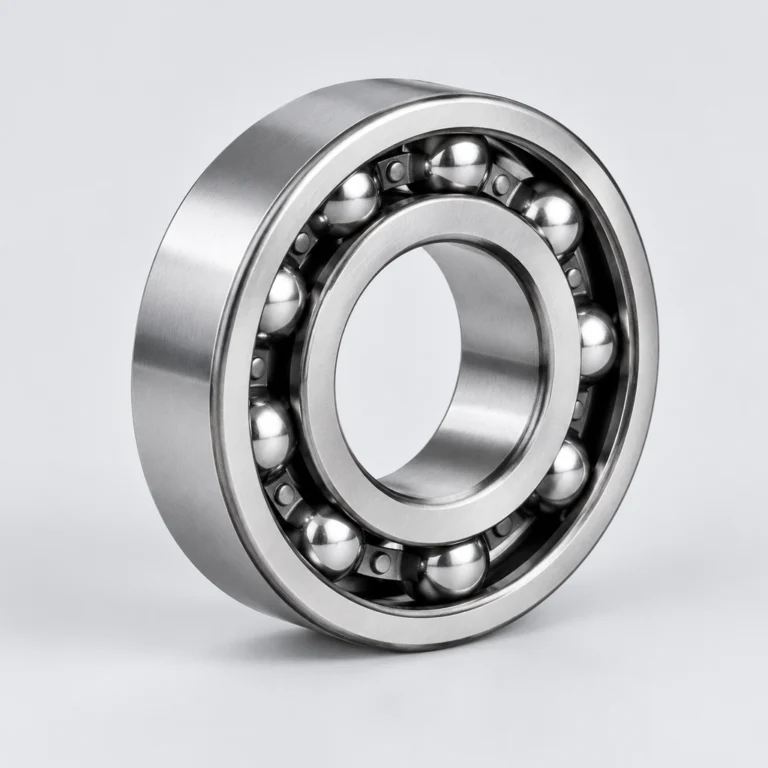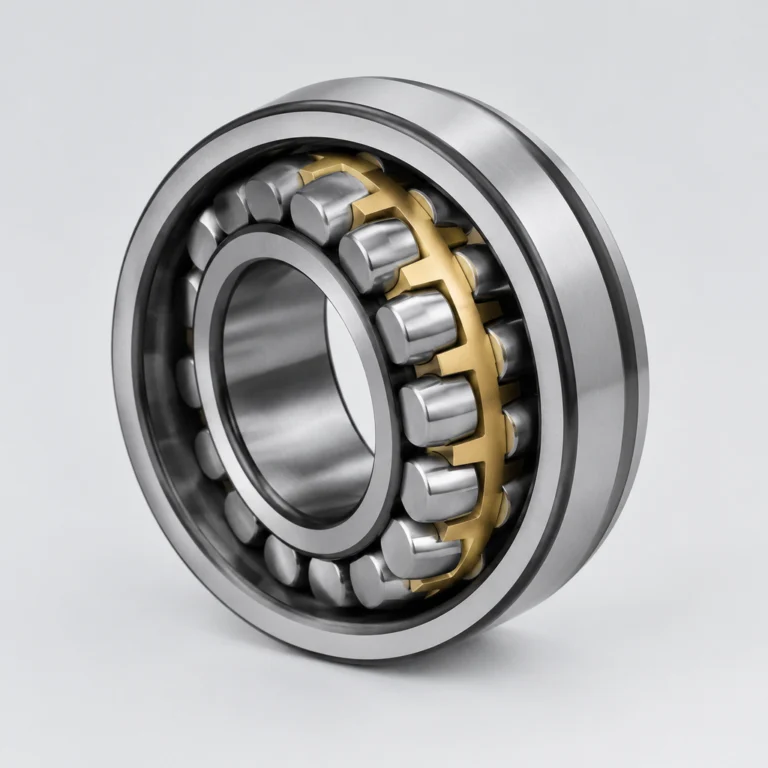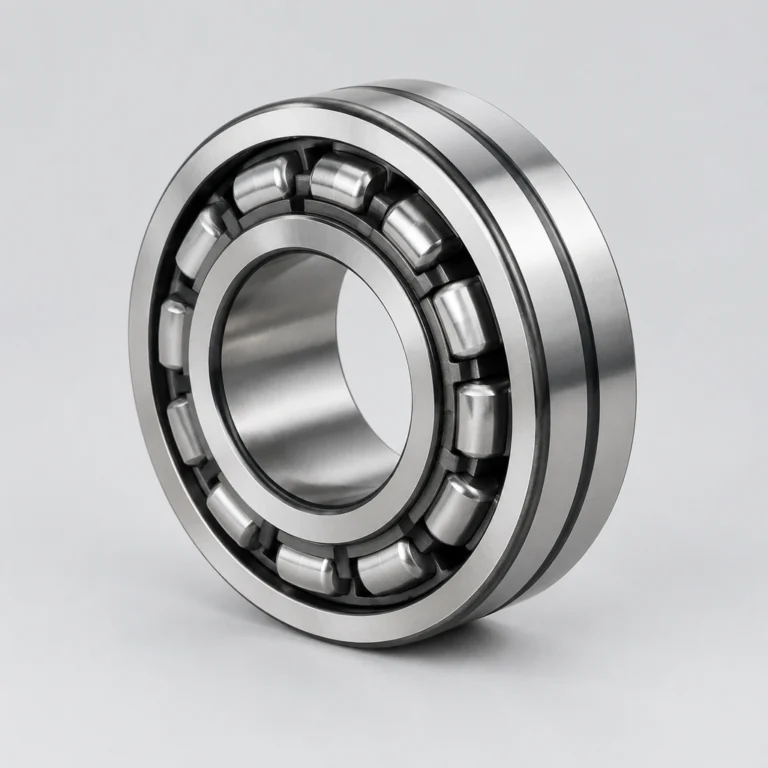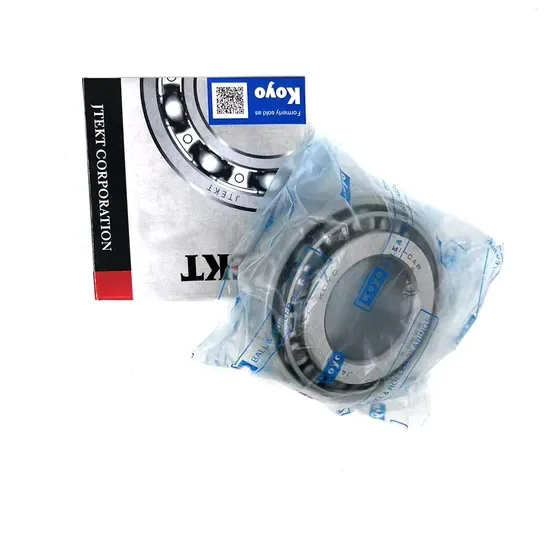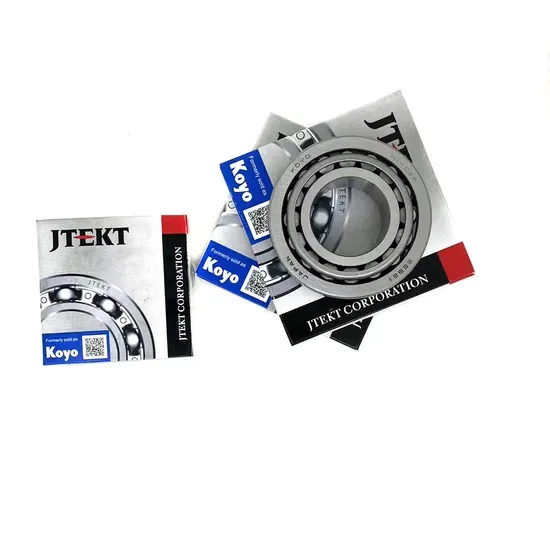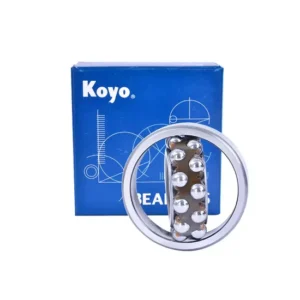
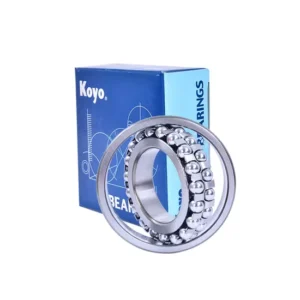
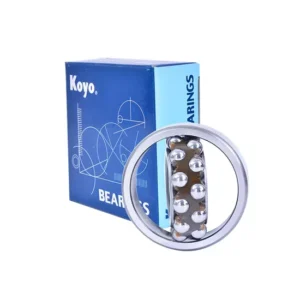
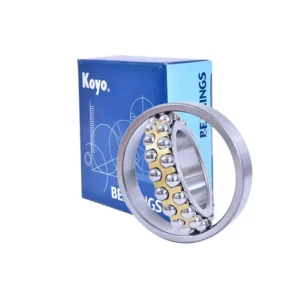
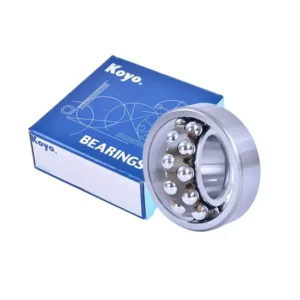
Mixed-Brand Sourcing — Consolidate your BDL 2305 2305TNI self aligning ball bearing orders with other global marques in a single shipment, eliminating multi-vendor coordination.
Technical Specifications
| Parameter | Value |
|---|---|
| Designation | BDL 2305 2305TNI |
| Bearing Type | Self Aligning Ball Bearing |
| Lubrication | Grease or Oil |
| Precision Rating | P0, P6, P5, P4, P2 |
| Clearance Class | C0, C3, C4 |
| Cage Material | Steel Cage / Brass Cage |
| Separated | Unseparated |
| Rows Number | Double |
| Load Direction | Radial Bearing |
| Material | Bearing Steel |
| Origin | China |
Note: The "TNI" suffix is an unverified designation requiring manufacturer catalog confirmation for exact cage or internal design specifics.
Application Suitability
| Industry | Typical Applications |
|---|---|
| Low-Noise Motors | Spindle shafts requiring misalignment compensation |
| Automobiles | Steering column joints and transmission linkages |
| Metallurgy Equipment | Continuous casting roller guides and conveyor drives |
| Electric Motors | Rotor shafts subject to thermal expansion |
| Gearboxes | Intermediate shafts with dynamic deflection |
Why Ignoring Suffix Details Ruins Your BDL 2305 2305TNI self aligning ball bearing Performance
A basic model number match never guarantees operational survival in high-heat metallurgy environments.
Early in my career sourcing for factory floors, I swapped a self-aligning unit based purely on the numeric sequence, completely overlooking the cage material suffix. The standard stamped steel cage fractured under thermal stress, halting the entire production line. This harsh lesson proves that cross-referencing demands rigorous suffix validation, not just dimensional alignment. When procurement teams focus solely on the basic dimensions, they inadvertently expose critical machinery to catastrophic failure modes. The internal geometry and cage design dictate how the component handles dynamic misalignment and thermal gradients. Ignoring these nuanced engineering details transforms a routine maintenance replacement into a costly operational bottleneck, emphasizing the need for comprehensive technical verification before finalizing any bulk purchase orders.
Aligning Radial Loads Across Misaligned Motor Shafts
When installing this component into low-noise electric motors, the double-row unseparated design automatically compensates for minor shaft deflections. Our engineering team frequently assists clients in matching the correct internal clearance to their specific thermal profiles, ensuring the radial load distribution remains stable even when housing tolerances drift during operation. The spherical outer ring raceway allows the inner ring to pivot slightly, which is essential for applications where the shaft bends under load or where the housing bore is not perfectly machined. This self-aligning capability significantly reduces edge loading on the rolling elements, thereby extending the operational lifespan of the assembly. By carefully evaluating the specific misalignment angles present in your gearboxes or automotive steering columns, we can determine whether the standard design suffices or if specialized internal geometries are required to maintain optimal load sharing across both rows of balls.
Managing Thermal Expansion and Lubrication Degradation
Metallurgy equipment exposes these components to intense radiant heat, which fundamentally alters internal clearance and accelerates grease degradation. Selecting between C0, C3, or C4 clearance becomes critical to prevent the rolling elements from binding as the inner ring expands. Furthermore, deciding whether to use oil or grease lubrication depends entirely on the maintenance interval and the level of particulate contamination present in the gearbox or motor housing. In continuous casting environments, high temperatures can cause standard lubricants to oxidize rapidly, leading to increased friction. Implementing a comprehensive relubrication strategy with high-temperature synthetic greases is often necessary to flush out metallic wear particles and maintain a protective hydrodynamic film. Understanding the exact thermal cycle of your machinery allows us to specify the precise clearance class needed to prevent premature seizure and maintain consistent rotational accuracy.
Decoding Cage Materials and Precision Tolerances
The choice between a steel cage and a brass cage dictates the operational ceiling of this component. Brass cages typically offer superior durability and heat dissipation in heavy-load metallurgy applications, while steel cages provide cost-efficiency for standard automotive linkages. Additionally, selecting a P4 or P2 precision rating over standard P0 minimizes vibration in high-speed low-noise motors, directly influencing the acoustic signature of the final assembly. Precision classes dictate the allowable deviations in bore diameter, outside diameter, and running accuracy, which are paramount for high-speed electric motors where even microscopic imbalances generate excessive noise. By aligning the precision rating with the specific dynamic requirements of your application, we ensure that the component operates smoothly without inducing parasitic vibrations that could compromise the structural integrity of adjacent sensitive equipment.
The Cascading Impact of Incorrect Clearance Selection
Installing a standard clearance unit in a high-temperature continuous caster leads to rapid internal preload, causing premature fatigue and catastrophic raceway spalling. According to failure analysis frameworks, a significant share of early failures stems from ignoring the thermal expansion coefficient of the shaft material. This results in unplanned downtime that vastly outweighs the initial procurement savings. When the internal clearance is consumed by differential thermal expansion, the rolling elements slide rather than roll, generating immense frictional heat that quickly destroys the raceway surfaces. This cascading failure not only destroys the component itself but can also cause severe collateral damage to the shaft and housing, necessitating extensive and expensive mechanical repairs. Proactively addressing clearance requirements during the specification phase is the most effective strategy to safeguard continuous production schedules and protect capital-intensive metallurgy assets from avoidable mechanical breakdowns.
Sourcing Integrity Beyond the Part Number
We maintain massive spot inventory covering thousands of standard and special part numbers, ensuring your orders ship without typical multi-week lead times. Our technical selection support goes beyond basic catalogs; we actively verify suffix meanings and cross-brand equivalents to prevent the exact cage-material mismatches that cause field failures. Furthermore, our flexible MOQ accommodates everything from single-unit emergency replacements to full container consolidation shipments for global MRO projects. When you source through our network, you benefit from rigorous incoming quality inspections that validate the material composition and dimensional accuracy of every batch. We understand that a missing suffix or an incorrect clearance class can halt an entire production facility, which is why our procurement specialists carefully cross-reference your technical drawings against the manufacturer's specifications.
Documentation & Authenticity
- Certificate of Conformity validating the exact BDL production batch and origin.
- Dimensional inspection reports confirming P-series precision tolerances before dispatch.
- Material test certificates verifying the bearing steel grade and heat treatment hardness.
- Traceability documentation linking the specific 2305 2305TNI unit to its manufacturing date.
Storage, Handling & Mounting
- Store the unseparated double-row units in original packaging to protect the steel or brass cages from ambient humidity.
- Maintain consistent warehouse temperatures to prevent condensation inside the C3 or C4 clearance gaps.
- Use induction heating for inner ring mounting to avoid mechanical damage to the precision P4 or P2 raceways.
- Apply clean lint-free gloves when handling open-type variants to prevent skin acids from corroding the bearing steel surfaces.
- Verify the exact shaft and housing tolerances before pressing the outer ring to preserve the self-aligning capability.
Preparing Your Technical Requirements for Review
To ensure the selected BDL 2305 2305TNI self aligning ball bearing perfectly matches your application, please provide detailed operational parameters including radial and axial loads, operating speeds, and ambient temperatures. Sharing the original equipment manufacturer part numbers allows our engineering team to perform precise cross-reference verification and confirm the exact suffix requirements for your specific machinery.
Frequently Asked Questions
Q: What does the TNI suffix indicate for this self-aligning unit?
A: The TNI designation requires direct confirmation against the manufacturer's official catalog to determine its exact meaning. It typically relates to specific cage materials or internal design modifications, so we always recommend sharing your exact operating conditions so our team can verify the correct variant for your machinery.
Q: How do I choose between C0, C3, and C4 clearance for low-noise motors?
A: Standard C0 clearance suits normal temperature environments, while C3 or C4 provides extra internal play to accommodate thermal expansion from the motor shaft. Selecting the correct class prevents internal binding at high speeds, ensuring the low-noise electric motor maintains its acoustic performance and avoids premature raceway fatigue.
Q: Steel cage versus brass cage: which suits metallurgy equipment better?
A: Brass cages generally offer superior heat dissipation and structural stability under the heavy loads and high temperatures typical of metallurgy equipment. Steel cages are highly cost-effective for lighter, cooler applications like automotive linkages. We evaluate your specific thermal profile to recommend the optimal cage material for maximum service life.
Q: How can I verify the precision rating upon delivery?
A: Every shipment includes detailed dimensional and running accuracy inspection reports that validate the claimed P-series precision class. These documents confirm the bore, outside diameter, and width tolerances, ensuring the component meets the strict requirements for high-speed electric motors or sensitive gearbox applications before installation.