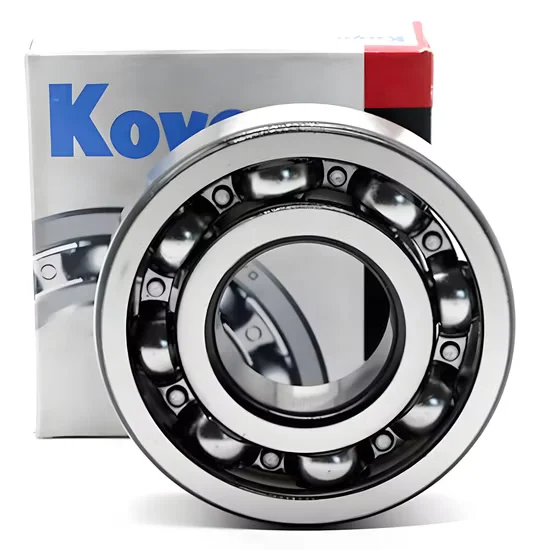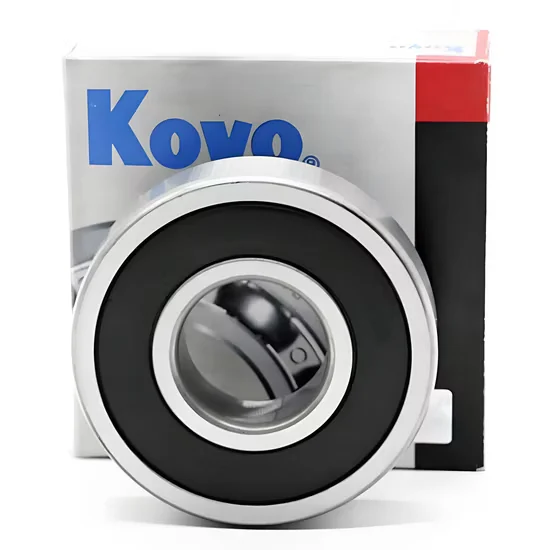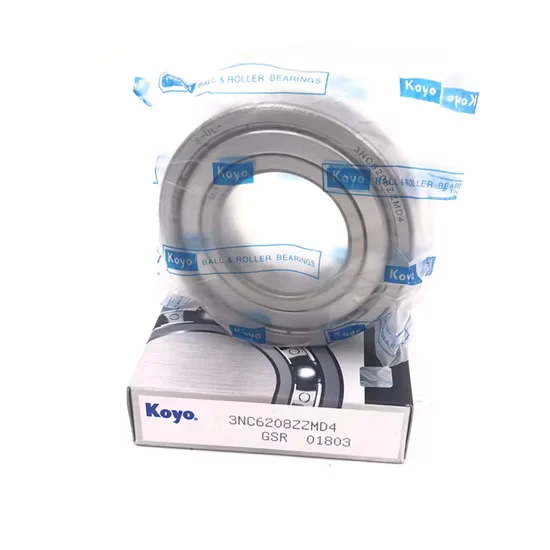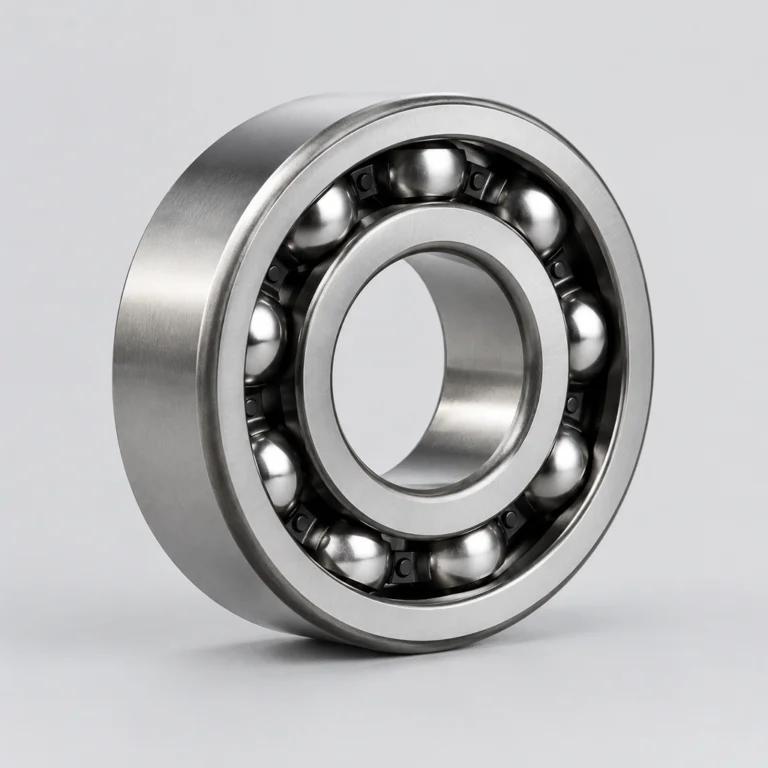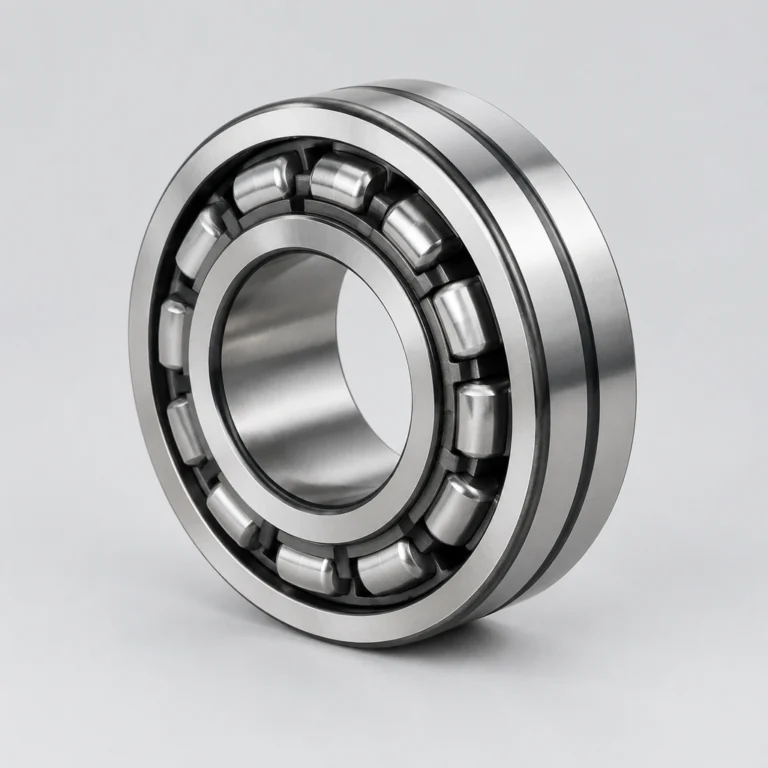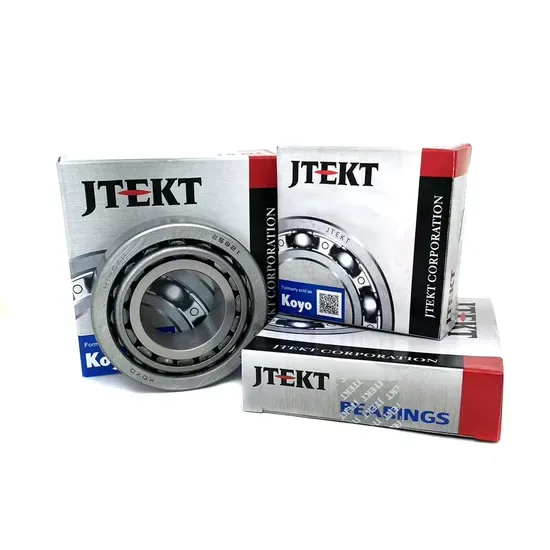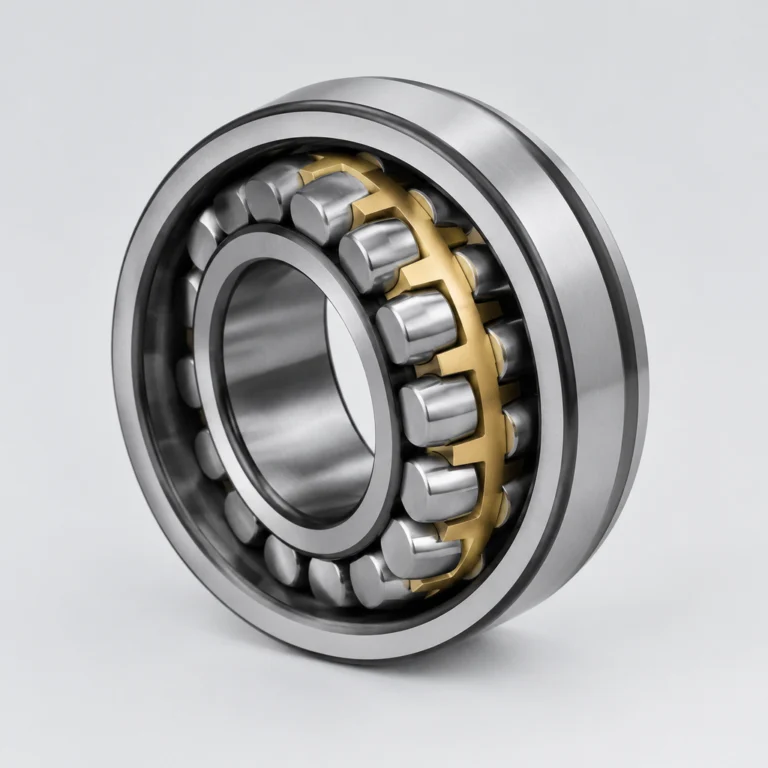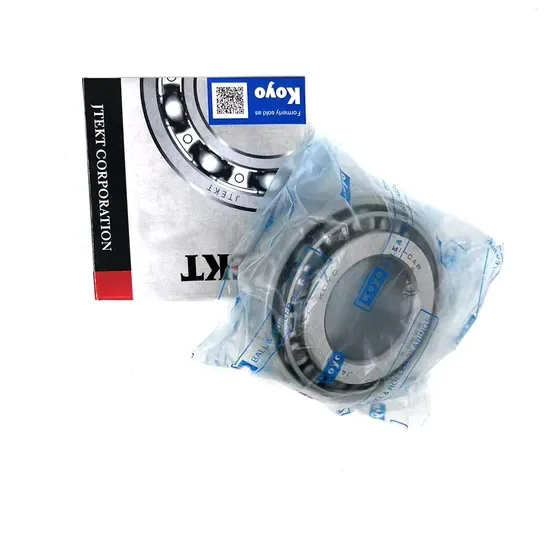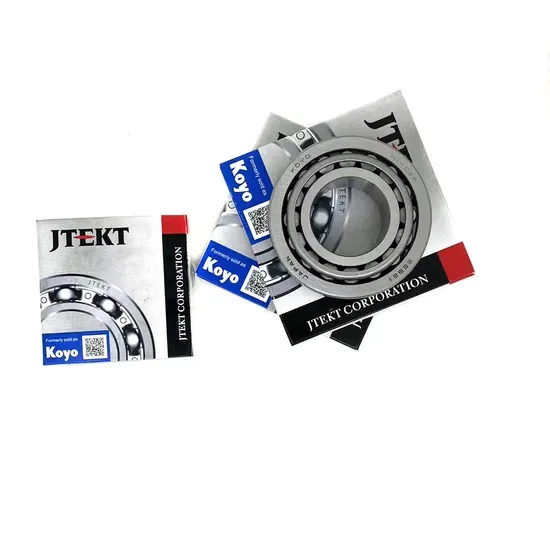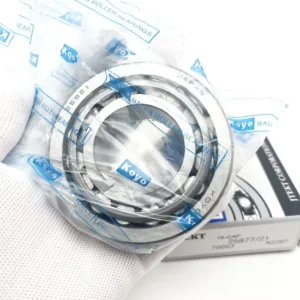
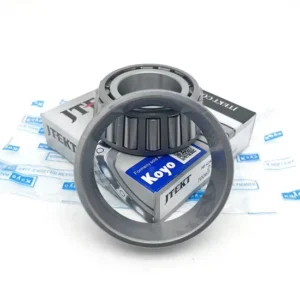
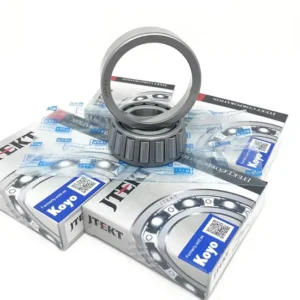
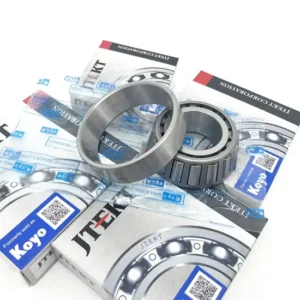
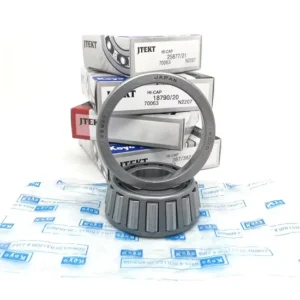
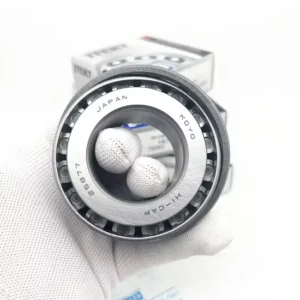
Cross-Reference Alignment Verified — We match dimensional and load specs across premium brands to ensure direct interchangeability for your gearbox assemblies.
Technical Specifications
| Parameter | Value |
|---|---|
| Designation | 31307 31308 31309 31310 31311 31312 31313 |
| Bearing Type | Tapered Roller Bearing |
| Material | Chrome Steel Gcr15 |
| Clearance Class | C0 / C2 / C3 / C4 |
| Hardness | HRC58-62 |
| Lubrication | Grease or Oil |
| Origin | Shandong, China |
Application Suitability
| Industry | Typical Applications |
|---|---|
| Industrial Gearboxes | Heavy-duty reduction gear drives and speed increasers |
| Manufacturing Plant | Conveyor drive shafts and material handling rollers |
| Automotive & Heavy Duty | Truck axles and commercial vehicle wheel hubs |
Overlooking Clearance Tolerances in Koyo 31307 31308 31309 31310 31311 31312 31313 tapered roller bearing Assemblies
Thermal expansion in enclosed gearboxes easily turns a standard clearance fit into a catastrophic interference bind.
I learned this the hard way early in my procurement career in Shandong. We installed standard clearance units in an industrial gearbox without verifying the thermal operating profile. The heavy-load run generated excessive internal heat, and the lack of thermal expansion allowance ended in complete seizure, destroying the shaft and housing. Matching the exact internal clearance to the housing and shaft expansion rates prevents these silent killers that standard catalogs often overlook.
Aligning Tapered Geometry with Gearbox Load Profiles
The tapered roller design inherently manages the combined radial and axial thrust loads typical in helical and bevel gear drives. Sourcing the correct Koyo 31307 31308 31309 31310 31311 31312 31313 tapered roller bearing requires verifying the specific contact angle and roller profile against your gearbox OEM schematics. Our engineering team cross-checks these geometric parameters to ensure the load distribution matches your exact application demands.
Managing Heat, Lubrication, and Contamination in Enclosed Drives
Enclosed gearboxes generate substantial internal heat, demanding careful selection between C0, C2, C3, or C4 clearance classes to accommodate differential expansion. Oil splash or forced grease circulation must reach the roller large ends to prevent skidding, especially during startup under heavy axial thrust. While open tapered designs rely on the gearbox oil bath, external contamination from worn gear particles can accelerate abrasive wear, making internal filtration critical. Proper internal clearance selection acts as the first line of defense against thermal seizure, while correct lubrication routing ensures the elastohydrodynamic film remains intact.
Decoding Material Hardness and Clearance Selection
The use of Chrome Steel Gcr15 provides a solid foundation, but achieving the specified HRC58-62 hardness range is what truly guarantees resistance against surface spalling under heavy Hertzian contact stresses. For the 313 series, which features a steeper contact angle for higher axial capacity, selecting the right clearance class is absolutely critical. C0 is standard for moderate temperatures, while C3 or C4 is mandatory when the gearbox housing runs significantly hotter than the shaft, ensuring the internal play does not vanish during operation. Furthermore, the cage design must withstand the sliding friction inherent in tapered geometries, making material integrity just as vital as the raceway hardness. Lubrication compatibility with both grease and oil allows flexibility depending on whether the unit is sealed or integrated into an open sump system.
The Domino Effect of Incorrect Internal Play
Specifying a standard clearance in a high-temperature gearbox leads to preload buildup, causing excessive friction and rapid lubricant degradation. This thermal runaway often results in premature cage failure and catastrophic roller smearing, instantly voiding equipment warranties. According to failure mode classifications outlined in ISO 15243, such surface distress and smearing are direct consequences of inadequate internal clearance under thermal load. Furthermore, operating under unintended preload drastically reduces the calculated L10 life as defined by ISO 281, leading to unplanned downtime that far outweighs the initial cost of specifying the correct C3 or C4 variant.
Precision Sourcing and Traceability for Critical Drives
We do not just ship boxes; we verify the exact clearance suffix and origin markings for every 313 series unit before dispatch. Mixed-brand consolidation is managed efficiently, allowing you to source these specific Koyo models alongside other drivetrain components without juggling multiple vendors. Our technical team provides cross-brand equivalent consultations if a specific 313xx part number faces extended lead times. Every batch comes with complete traceability documentation, ensuring you know exactly which production facility manufactured your bearings. This rigorous verification prevents the costly mistake of installing counterfeit or mislabeled clearance classes in critical gearboxes.
Documentation & Authenticity
- Certificate of Conformity verifying the specific C0/C2/C3/C4 clearance class for each batch.
- Original manufacturer batch traceability linking the 313 series units to their production dates.
- Material inspection reports confirming Chrome Steel Gcr15 composition and HRC58-62 hardness.
- Dimensional and running accuracy inspection reports validating the tapered geometry tolerances.
Storage, Handling & Mounting
- Keep the C3 and C4 clearance variants in original packaging to prevent moisture ingress before gearbox assembly.
- Use induction heating for inner ring mounting, strictly monitoring temperature to preserve the HRC58-62 hardness.
- Verify the clearance class marking on the outer ring before pressing into the gearbox housing.
- Ensure clean lint-free gloves are worn to prevent skin acids from contaminating the Chrome Steel Gcr15 raceways.
Engineering Data Required for Technical Validation
To ensure optimal selection and L10 life calculation, please share your gearbox operating parameters, including precise radial and axial loads, operating temperatures, and shaft speeds. Providing the OEM equipment model or existing part numbers allows our engineering team to perform accurate cross-reference verifications. If you are transitioning from grease to oil bath lubrication, specify the operating viscosity so we can confirm the suitability of the selected 313 series variant.
Frequently Asked Questions
Q: How do I determine the correct clearance class for my industrial gearbox application?
A: The choice between C0, C2, C3, and C4 depends on the temperature differential between the inner ring and outer housing. For gearboxes running at elevated temperatures where the housing expands more than the shaft, a C3 or C4 clearance prevents thermal binding. Share your operating temperature profile, and our team will calculate the exact internal play required to maintain optimal load distribution.
Q: What cross-reference equivalents are available for the 31307 to 31313 series?
A: The 313 series features a steeper contact angle compared to standard 30200 or 32200 series, designed specifically for higher axial loads. We can provide cross-reference equivalents from other premium global brands that match these specific geometric profiles. Submit your required dimensions and load ratings, and we will identify exact interchangeable options with matching clearance specifications.
Q: How should I choose between grease and oil lubrication for these tapered roller bearings?
A: Oil lubrication, typically via splash or forced circulation, is preferred for high-speed gearboxes as it dissipates heat effectively and flushes out wear particles. Grease is suitable for lower-speed, sealed, or semi-sealed applications where maintenance intervals are extended. The decision depends on your gearbox sealing arrangement and thermal management requirements.
Q: What is the recommended mounting procedure to avoid damaging the bearing during installation?
A: Always apply force to the ring being press-fitted; never transmit mounting force through the rollers or cage. For the inner ring, induction heating is recommended to expand the bore without compromising the Chrome Steel Gcr15 hardness. Ensure the shaft and housing shoulders are perfectly square to maintain the precise alignment required for tapered roller operation.