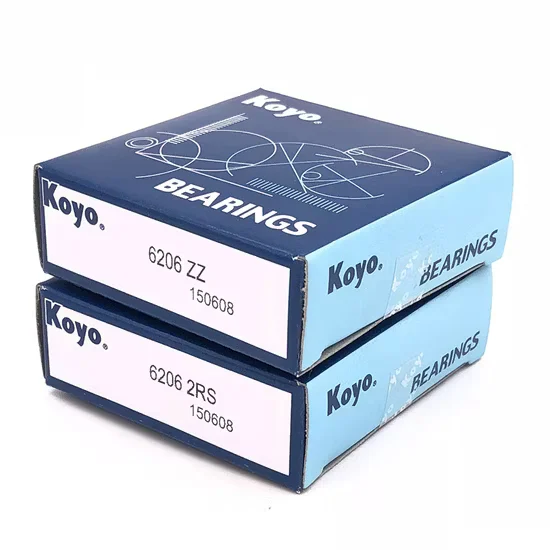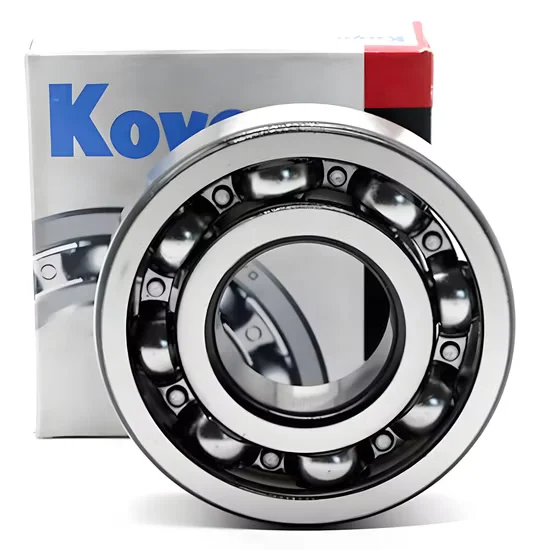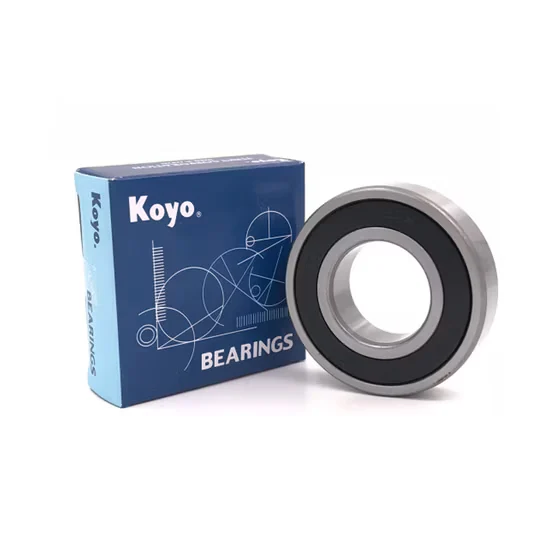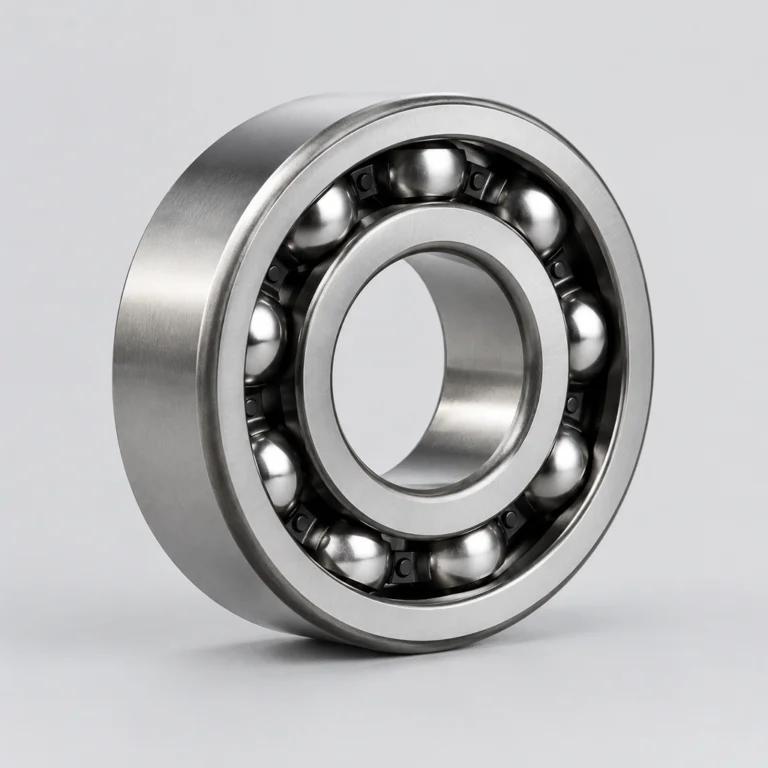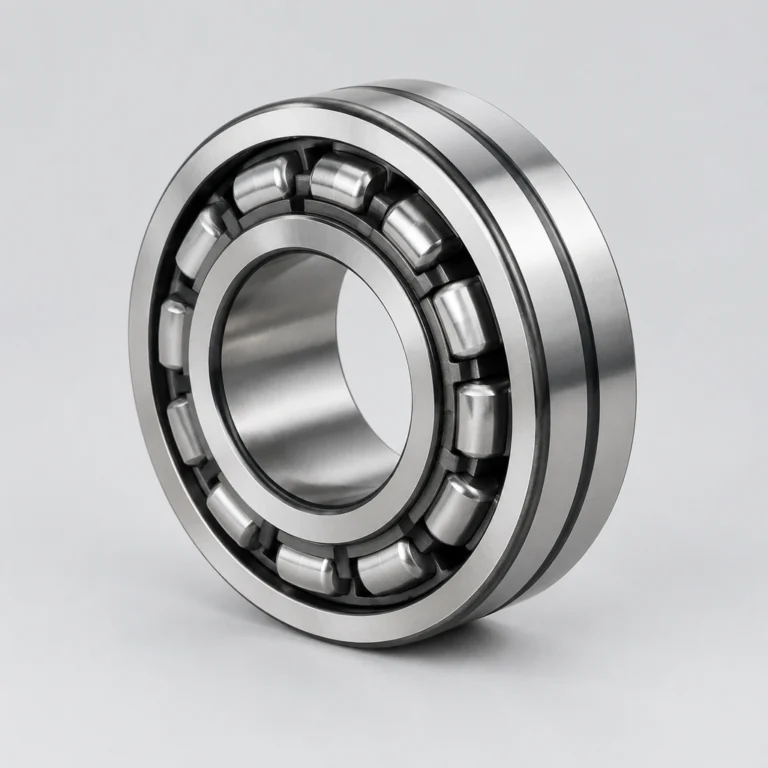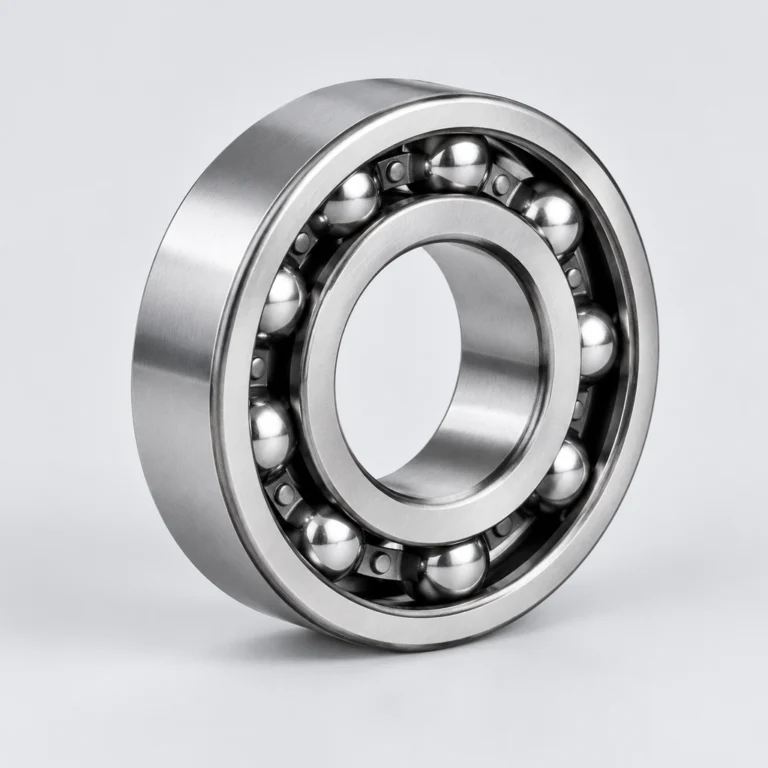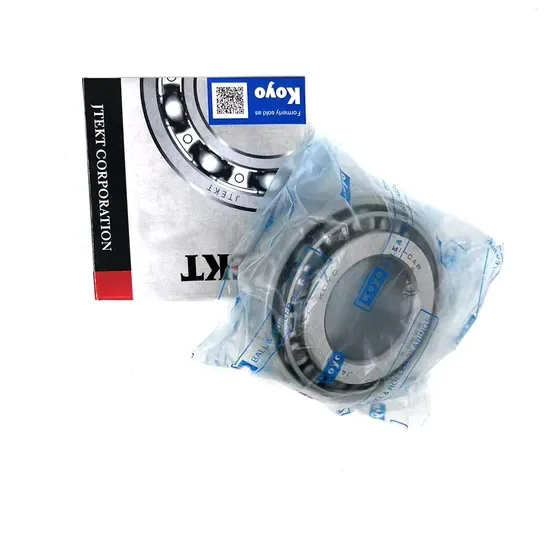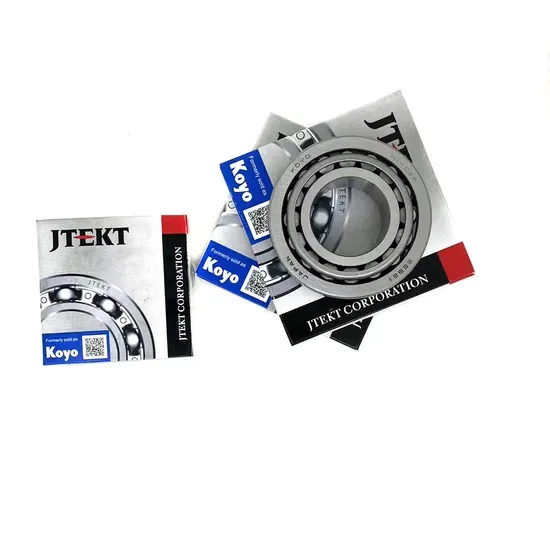

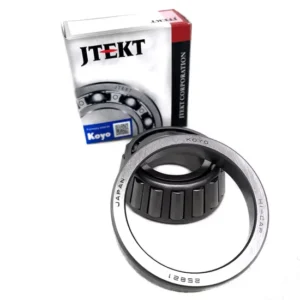
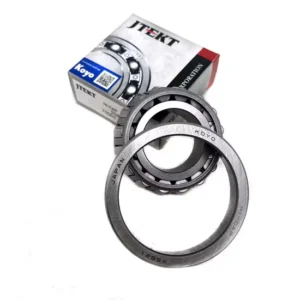
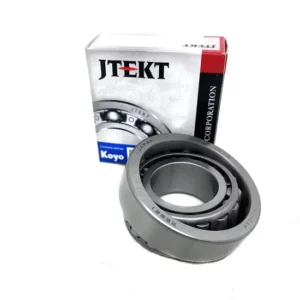

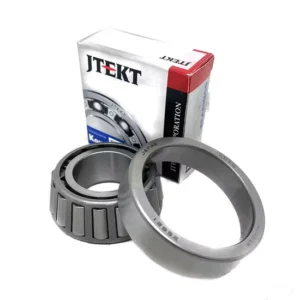
Original Batch Traceability — Every shipment includes mill certificates linking the exact heat number to the factory production run.
Technical Specifications
| Parameter | Value |
|---|---|
| Designation | X&S 33119 33120 33205 33205/Q 332/28 3320633119 33120 |
| Bearing Type | Tapered Roller Bearing |
| Clearance Class | C0, C2, C3, C4 |
| Certification | ISO9001, CE |
| Origin | Shandong, China |
| Feature | Stable Performance, Low Noise |
Note: The /Q suffix requires manufacturer catalog confirmation prior to installation.
Application Suitability
| Industry | Typical Applications |
|---|---|
| Marine Engineering | Propulsion shaft supports and marine drive gearboxes |
| Heavy Machinery | Industrial gearbox shafts and construction equipment axles |
| Automotive & Transport | Truck axle hubs and commercial vehicle wheel assemblies |
| General Manufacturing | Machinery repair shop replacement drives and pump shafts |
Preventing Premature Failure in Marine Drives with the X&S Koyo 33119 33120 33205 tapered roller bearing
Matching the exact clearance class to the thermal expansion of the propulsion shaft prevents catastrophic raceway spalling.
During my early failure analysis years, I dismantled a seized propulsion shaft where standard steel components suffered severe corrosion and spalling within months due to high-salinity exposure. Procurement teams often overlook suffix variations and material options, leading to mismatched components that cannot withstand harsh marine environments. Securing original traceability ensures the metallurgical integrity matches the demanding operational profile. When engineers specify a component for heavy axial and radial combined loads, ignoring the micro-geometry differences between seemingly identical part numbers inevitably leads to premature edge loading. The resulting friction generates localized heat spots that degrade the lubricant film, accelerating surface fatigue and ultimately causing the shaft to seize during critical maneuvers.
Aligning Tapered Geometry with Combined Load Demands
The X&S Koyo 33119 33120 33205 tapered roller bearing configuration excels in managing the simultaneous radial and axial forces inherent to marine drive systems. By providing a comprehensive range of clearance options, we ensure the internal geometry accommodates the specific thermal growth of your propulsion shafts. Our technical team cross-references OEM specifications to guarantee the selected variant handles the exact load vectors without premature edge loading. The conical design of the rolling elements allows for precise adjustment of the internal clearance during assembly, which is crucial for maintaining rigidity in the drive train. When the contact angle and raceway profiles are perfectly matched to the application, the system distributes stress evenly, significantly reducing the risk of localized wear and extending the overall operational lifespan of the gearbox.
Managing High-Salinity and Heavy Shock Environments
Marine propulsion systems subject components to relentless salt spray, heavy shock loads, and fluctuating operational temperatures. Standard lubrication often washes out or degrades, making the selection of appropriate sealing solutions and relubrication intervals critical for survival. Furthermore, the constant exposure to corrosive elements demands careful consideration of material variants, as standard bearing steel will rapidly deteriorate without proper protection. Proper installation practices, including precise induction heating, are equally vital to maintain the designed internal clearance. The dynamic nature of marine operations means the components must also absorb sudden torque reversals and impact loads from the propeller. If the internal geometry is not optimized for these shock events, the rolling elements can skid across the raceway, causing severe smearing and immediate loss of dimensional accuracy.
Decoding Clearance and Material Selection for Marine Drives
Selecting the right clearance class—ranging from C0 to C4—is fundamental to compensating for the thermal expansion generated in heavy-duty gearboxes and propulsion shafts. A tighter clearance might cause binding under high temperatures, while a looser fit increases vibration and noise. Regarding material composition, these components are available in ceramic or stainless steel variants to substantially improve resistance against high-salinity corrosion compared to standard carbon steel. The ISO9001 and CE certifications validate that the dimensional tolerances and manufacturing processes strictly adhere to international maritime engineering standards. The cage design also plays a pivotal role in high-speed or high-vibration environments, where rigid retention of the rolling elements prevents catastrophic skewing. Understanding how these individual specifications interact allows procurement engineers to build a highly resilient drive system capable of enduring continuous offshore operations without frequent maintenance interventions.
The Operational Impact of Mismatched Suffixes
Installing a component with an incorrect suffix or inadequate clearance class inevitably leads to unplanned downtime and catastrophic damage to the surrounding housing. When the internal geometry fails to accommodate thermal growth, the resulting friction generates excessive heat, accelerating lubricant breakdown and raceway fatigue. Such premature failures not only void warranty claims but also trigger extensive secondary repairs across the entire drive train. Relying on verified cross-reference data prevents these costly engineering oversights. A seemingly minor discrepancy in the contact angle or roller profile can drastically alter the load distribution, concentrating stress on a small area of the raceway. This localized overloading initiates micro-cracks that rapidly propagate under cyclic stresses, leading to sudden and unpredictable structural failure of the bearing assembly.
Securing Genuine Traceability and Technical Alignment
We strictly enforce original factory batch traceability, ensuring every unit shipped can be linked back to its specific heat number and production run. Our engineers specialize in decoding complex suffix variations, preventing the exact misapplications I witnessed during early propulsion shaft teardowns. We maintain massive spot inventory covering thousands of standard part numbers, allowing for rapid consolidation of mixed-brand emergency orders. Furthermore, our cross-brand equivalent model consultation guarantees that clearance, cage design, and precision classes align perfectly across substitutions. Finally, our global shipping consolidation and long-term failure analysis support provide continuous technical backing long after the initial installation. By rigorously inspecting incoming batches for dimensional accuracy and material integrity, we eliminate the risk of counterfeit or substandard components entering your critical marine infrastructure. This comprehensive approach ensures that every replacement part performs exactly as engineered, safeguarding your vessel's operational readiness.
Documentation & Authenticity
- Certificate of Conformity verifying ISO9001 and CE compliance for marine propulsion applications.
- Original factory batch traceability documents linking heat numbers to the specific production facility.
- Material inspection reports confirming the metallurgical composition of selected stainless or ceramic variants.
- Dimensional and running accuracy inspection reports validating standard size tolerances before dispatch.
Storage, Handling & Mounting
- Store the C0-C4 clearance variants in original packaging with strict humidity control to prevent raceway corrosion.
- Use clean gloves when handling open tapered roller bearings to avoid salt contamination from marine repair shop environments.
- Apply precise induction heating for large-bore installations to preserve the designated internal clearance during fitting.
- Verify the exact meaning of special suffixes against manufacturer drawings before executing final assembly torque specs.
- Establish strict relubrication intervals using marine-grade grease to protect rolling elements in high-salinity conditions.
Engineering Data Required for Precise Selection
To ensure optimal performance and exact cross-reference alignment, please provide the specific radial and axial load profiles, operating speeds, and thermal ranges of your propulsion or gearbox system. Sharing the OEM equipment number allows our engineering team to verify the precise suffix requirements and clearance class needed for your application. Additionally, detailing the environmental exposure, such as salt spray concentration or chemical presence, helps us recommend the most suitable material variant for extended service life. Supplying the exact housing dimensions and shaft tolerances enables us to calculate the required mounting interference and predict the final operational clearance. This collaborative technical review ensures that the selected component integrates flawlessly into your existing machinery, eliminating guesswork and maximizing the reliability of your marine drive systems.
Frequently Asked Questions
Q: How do we ensure exact alignment when cross-referencing these tapered roller models?
A: Cross-referencing requires a strict three-way alignment of internal clearance, cage material, and precision class. We verify these parameters against the original OEM specifications and manufacturer catalogs to ensure the substitute model handles the exact combined loads of your marine or industrial drive without altering the system's dynamic response or thermal limits.
Q: What criteria dictate choosing C0, C2, C3, or C4 clearance for propulsion shafts?
A: The selection depends on the thermal expansion characteristics of the shaft and housing under operational loads. Tighter clearances suit stable temperature environments, while C3 or C4 classes accommodate significant thermal growth in heavy-duty marine drives, preventing internal binding and ensuring the rolling elements maintain optimal load distribution across the raceways.
Q: How do unverified special suffixes affect installation and fitting dimensions?
A: Special designations often indicate specific internal geometry, heat treatments, or cage modifications. If a suffix remains unverified in standard catalogs, it is critical to obtain original dimensional drawings to confirm exact fitting tolerances, ensuring the component seats correctly without compromising the designed internal clearance during final assembly.
Q: What are the recommended lubrication practices for open tapered bearings in marine environments?
A: Open designs in high-salinity conditions require marine-grade, water-resistant grease applied at strict relubrication intervals. It is essential to purge old grease and contaminants regularly, as salt ingress accelerates corrosion fatigue. Proper sealing arrangements at the housing level must also be maintained to prevent direct water exposure to the rolling elements.