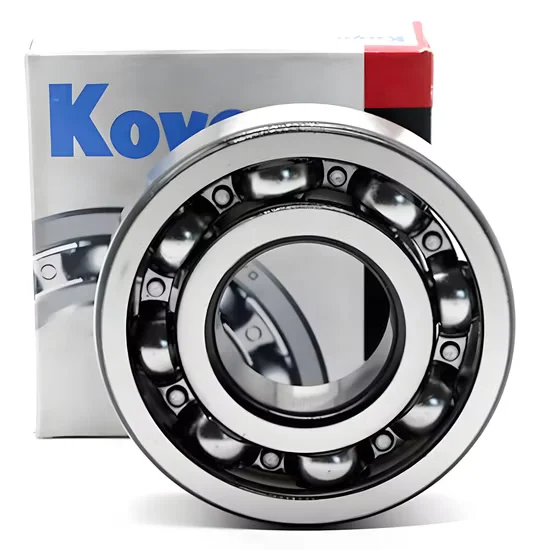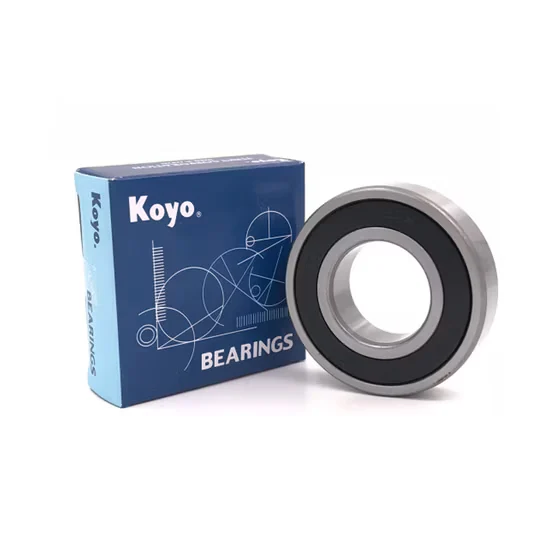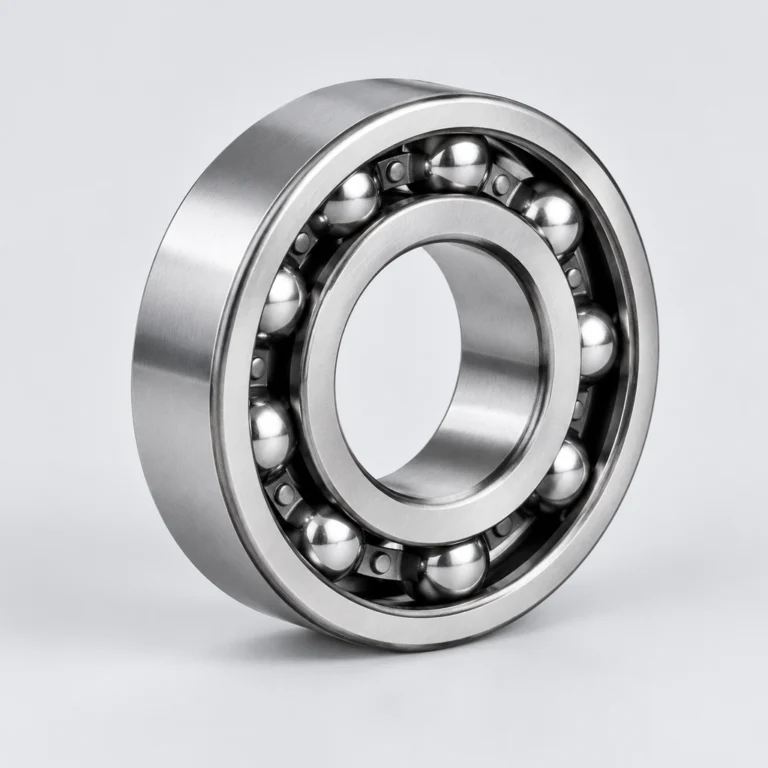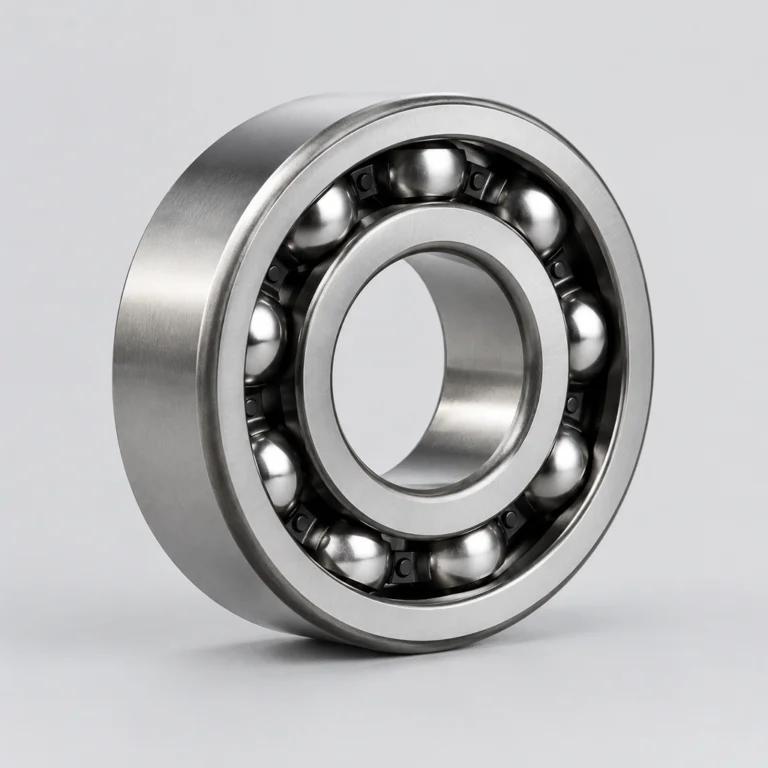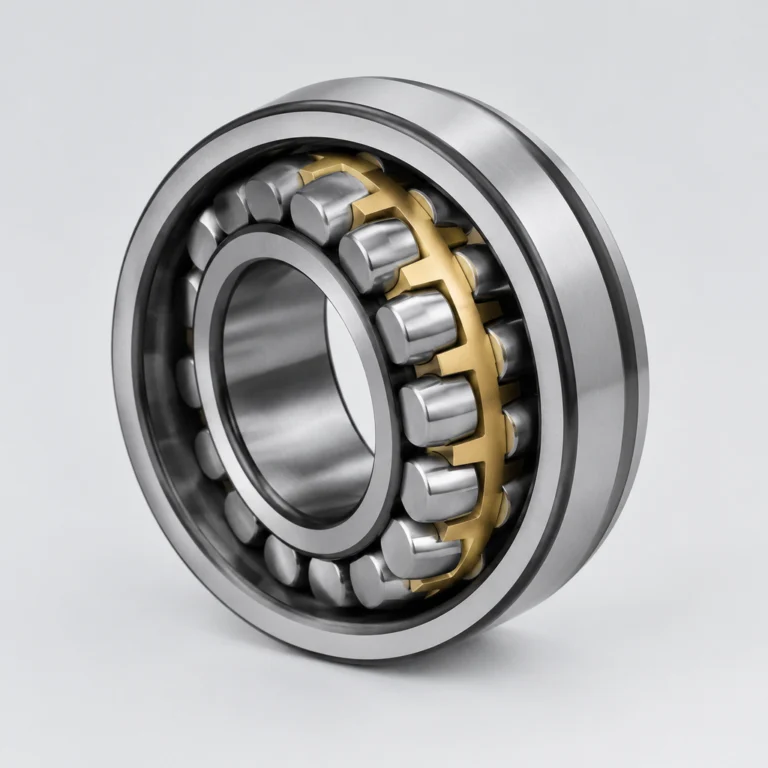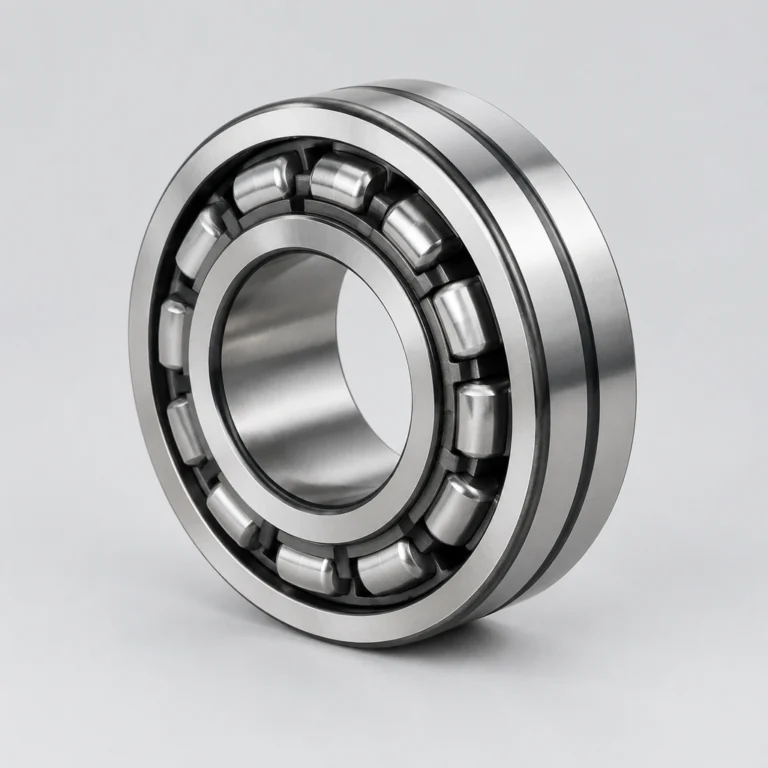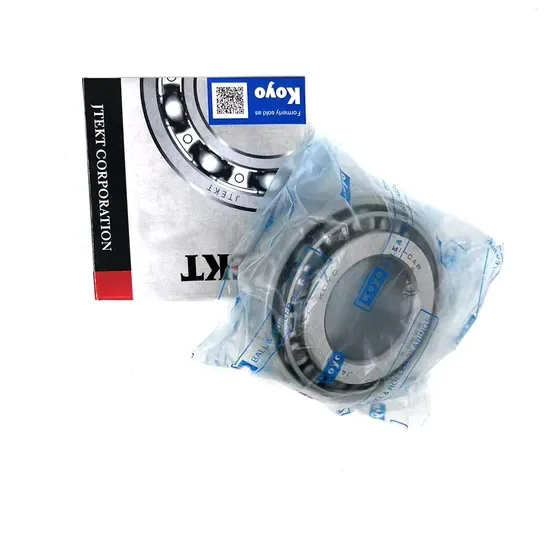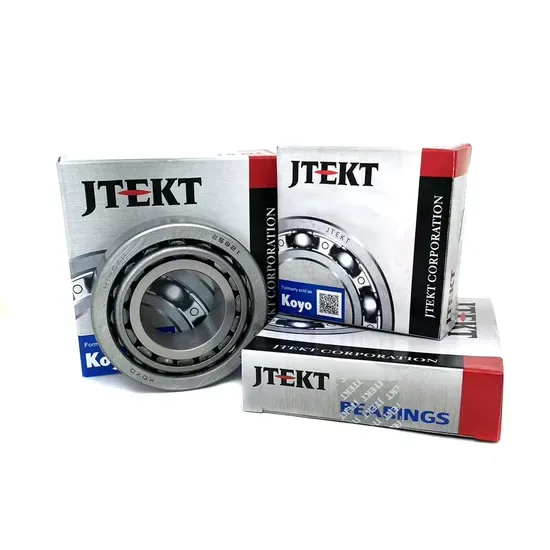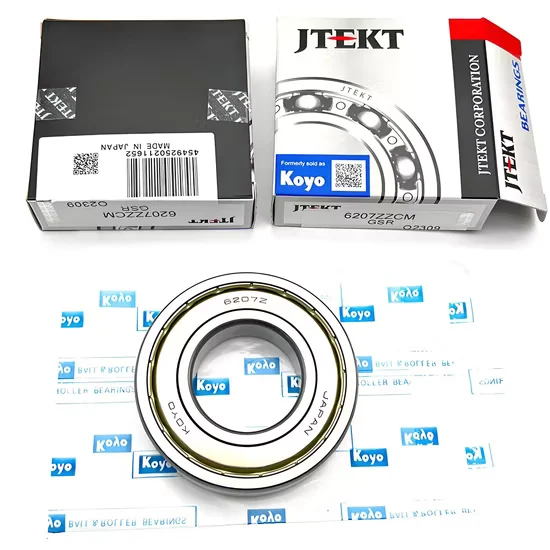
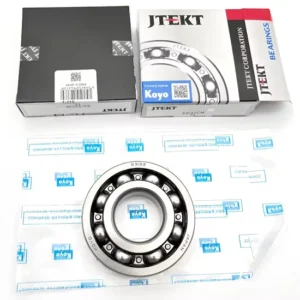
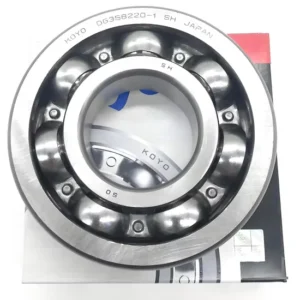
Verified KOYO Authenticity — Every KOYO 61906 deep groove ball bearing shipped includes scannable QR packaging for direct manufacturer verification.
Technical Specifications
| Parameter | Value |
|---|---|
| Designation | KOYO 61906 |
| Bearing Type | Deep Groove Ball Bearing |
| Bore Diameter (d) | 30 mm |
| Outside Diameter (D) | 47 mm |
| Width (B) | 9 mm |
| Number of Rows | Single |
| Load Direction | Radial |
| Material | Bearing Steel |
| Contact Angle | 0° |
| Aligning | Non-Aligning |
| Separated | Unseparated |
Application Suitability
| Industry | Typical Applications |
|---|---|
| Electric Motors | Low-noise motor shafts and rotor supports |
| Pumps | Centrifugal pump impeller shafts |
| Household Appliances | Washing machine drum assemblies and quiet HVAC fans |
| Conveyors | Light-duty material handling roller drives |
Why Standard Tolerances Cause Motor Vibration with the KOYO 61906 deep groove ball bearing
Micro-vibrations in thin-section bearings amplify rapidly when internal clearances are not matched to the specific electromagnetic forces of the motor.
Years ago, a motor plant in Qingdao assembled standard clearance units into their premium low-noise line, only to face batch-wide teardowns due to excessive acoustic emissions. Thin-wall deep groove designs are exceptionally sensitive to radial play, making precise clearance selection critical to avoid costly rework. Sourcing the correct specification prevents these hidden assembly failures. When procurement teams overlook the specific internal geometry requirements, the resulting vibration transfers directly into the motor housing. This acoustic degradation not only fails quality control inspections but also severely compromises the perceived quality of the final appliance. Ensuring that every unit matches the exact OEM tolerance prevents these catastrophic production delays and protects your brand reputation in the competitive household appliance market.
Matching Radial Capacity to Continuous Duty Cycles
Continuous duty in electric motors demands consistent radial support without generating excess heat or acoustic disturbances. The KOYO 61906 deep groove ball bearing provides the exact geometric stability required for high-speed rotor applications where space is strictly limited. Our engineering team cross-references your specific motor load profiles to ensure the selected unit maintains optimal operational geometry under continuous electromagnetic stress. By analyzing the exact radial forces generated by your rotor assembly, we can confirm that the thin-section raceway will not experience edge loading. This precise alignment between the component's capacity and your application's demands ensures smooth, quiet operation throughout the entire service life of the equipment.
Navigating Thermal Expansion and Lubrication Limits
High rotational speeds in compact motors generate internal friction, directly impacting the thermal expansion of the shaft and housing. This thermal growth alters the effective internal clearance, making the initial selection of the clearance class vital for long-term reliability. Proper lubrication intervals must account for the thin-section geometry to prevent grease channeling. Furthermore, installation forces must be strictly controlled to avoid brinelling the raceways in these lightweight components. If the housing tolerance is too tight, the outer ring can deform, pinching the rolling elements and generating excessive heat. Understanding the interplay between thermal gradients, housing fits, and internal play is essential for engineers designing high-efficiency, low-noise electric motors that must operate flawlessly for thousands of hours.
Decoding the Geometry of Thin-Section Deep Groove Designs
The 30x47x9 mm dimensions define a thin-section profile where the raceway curvature is optimized specifically for radial loads. With a 0° contact angle, the bearing handles pure radial forces efficiently while accommodating minor axial displacements during thermal shaft elongation. The unseparated, single-row configuration ensures structural rigidity, which is crucial when housing tolerances are tight. Bearing steel construction provides the necessary hardness to resist surface fatigue under continuous cyclic loading. Selecting the appropriate precision class directly dictates the acoustic signature of the final assembled motor. The exact curvature of the raceway grooves dictates how the rolling elements interact under load, minimizing friction and heat generation. When the internal geometry is perfectly matched to the application, the bearing operates silently, fulfilling the strict acoustic requirements of modern household appliances and precision industrial pumps.
The Financial Impact of Acoustic Rejections
Deploying a standard clearance unit in a low-noise application inevitably leads to unplanned downtime and batch rejections on the assembly line. Premature failure manifests as elevated vibration signatures, triggering warranty voidance from the end-user. According to failure mode classification frameworks, surface fatigue accelerates rapidly when internal play is mismatched to the operational envelope. These acoustic rejections cause catastrophic damage to production schedules and supplier reputations. The cost of tearing down a fully assembled motor to replace a single underspecified component far exceeds the initial procurement savings. By prioritizing exact specification matching over generic substitutions, manufacturing facilities protect their profit margins and maintain the trust of their downstream clients who rely on whisper-quiet operation.
Securing Traceable Inventory for Critical Motor Lines
Sourcing genuine components without the correct internal clearance suffix is a frequent pitfall in MRO procurement. We maintain massive spot inventory covering all standard and specialized clearance classes for this specific thin-section size. Every unit ships with complete traceability documentation, ensuring you receive the exact factory batch required for your low-noise motor line. Our technical selection support helps you identify cross-brand equivalents if urgent maintenance demands an immediate alternative. We consolidate global shipping to deliver mixed-size packages directly to your assembly floor. This comprehensive approach eliminates the risk of receiving counterfeit or mislabeled parts that could silently degrade your motor's acoustic performance. By partnering with a supplier who understands the critical nuances of thin-section bearings, you safeguard your production continuity and product quality.
Documentation & Authenticity
- Certificate of Conformity verifying the specific internal clearance class for low-noise motor applications.
- Original factory batch traceability linking the 30x47x9 mm units to their exact production date.
- Official manufacturer QR codes on packaging for immediate digital authentication on the receiving dock.
- Dimensional inspection reports confirming the thin-section width tolerance before shipment.
- Material certification validating the bearing steel composition for high-cycle fatigue resistance.
Storage, Handling & Mounting
- Store the 30x47x9 mm units in original packaging to prevent humidity from degrading the factory-applied rust preventive coating.
- Use clean lint-free gloves when handling the exposed bearing steel raceways to avoid acidic fingerprint corrosion.
- Apply induction heating for the inner ring mounting to preserve the precise internal clearance of this thin-section design.
- Maintain strict alignment during press-fitting to avoid brinelling the single-row raceway in this lightweight component.
- Keep sealed units away from direct UV exposure to protect the integrity of the grease fill inside the unseparated assembly.
Engineering Data Required for Clearance Validation
To accurately validate the clearance class for your specific motor design, please share the operational radial loads, rotational speeds, and expected thermal gradients. Providing the exact OEM equipment model numbers allows our team to perform precise cross-reference verification. Supplying these parameters ensures the selected thin-section bearing aligns perfectly with your acoustic and longevity targets. Our engineers will analyze this data to calculate the operational clearance under working temperatures, ensuring the bearing never runs too tight or too loose. This collaborative technical review guarantees that the final component selection supports your engineering goals without requiring costly prototype iterations.
Frequently Asked Questions
Q: How do I verify the authenticity of KOYO bearings through official channels?
A: You can verify authenticity by scanning the official QR codes printed on the individual packaging using the manufacturer's mobile application. We supply every KOYO 61906 deep groove ball bearing with intact, untampered factory seals and complete batch traceability documents. This digital verification guarantees the internal components meet the exact metallurgical standards required for low-noise electric motor applications.
Q: What are the cross-reference equivalents for this model across other premium brands?
A: While this specific designation is standard across the industry, dimensional and internal geometry variations exist between manufacturers. We provide comprehensive cross-reference consultation to identify equivalent models from other premium global brands when immediate stock is required. Our engineering team verifies the exact internal clearance and precision class to ensure the alternative unit performs identically in your low-noise motor assembly.
Q: How do I select the appropriate clearance class for electric motor applications?
A: Electric motors typically require specialized internal clearances to compensate for thermal expansion during high-speed operation. Selecting the wrong clearance leads to excessive vibration or premature seizure. Share your motor's operational temperature profile and shaft tolerances with our technical team, and we will recommend the precise clearance class to optimize the acoustic performance and operational lifespan of the bearing.
Q: How does the single-row deep groove design handle combined loads?
A: The single-row geometry is primarily optimized for pure radial loads, which are dominant in standard electric motor shafts. While it can accommodate minor axial displacements caused by thermal shaft elongation, it is not designed for heavy thrust loads. For applications with significant axial forces, we recommend consulting our engineers to evaluate angular contact alternatives that maintain the same 30 mm bore dimension.
Q: What are the recommended lubrication intervals for this bearing size?
A: Lubrication intervals depend heavily on the rotational speed, operating temperature, and environmental contamination levels of your specific application. For sealed variants, the factory grease fill is typically designed for the entire service life of the component. If you are using an open design, provide your operational parameters to our team, and we will calculate the precise relubrication schedule to prevent grease channeling in the thin-section raceway.