Rust is rarely the fault of the steel. It is almost always the result of lubricant emulsification breaking down the seal during high-pressure washdowns.
Selecting genuine Koyo bearings for food machinery requires matching specific IP69K washdown ratings with NSF H1 registered lubrication to prevent premature emulsification, while strictly verifying traceability documentation to avoid counterfeit risks that lead to costly sanitation fines.
I still remember the smell of a bottling plant in Chicago after a weekend breakdown. The air was thick with the scent of spoiled product and hot metal. A maintenance manager held a seized deep-groove ball bearing in his gloved hand, pointing at the brown sludge oozing from the seals. He had bought what he thought were premium components from a general industrial supplier. The raceways were pitted, not from load, but from corrosion caused by water ingress. The grease had turned into a soap-like emulsion, losing its viscosity and allowing contaminants to grind against the rolling elements. This was not a material failure; it was a specification mismatch. In food processing environments, the enemy is not just friction, but the aggressive cleaning protocols required to meet hygiene standards.
Understanding this distinction is critical for procurement teams. When you source Genuine Koyo Bearings for Food Machinery Wholesale Supplier products, you are not just buying a mechanical component; you are buying insurance against downtime and regulatory penalties. The following guide breaks down how to identify the right specifications, verify authenticity, and calculate the true cost of compromise.
Why Do Koyo Bearings Fail in Food Washdowns?
The primary cause of failure is not poor steel quality, but the breakdown of the lubricant barrier under thermal and chemical stress.
Many buyers assume that stainless steel housings are enough to protect the internal components. This is a dangerous misconception. While the outer ring may resist surface rust, the internal clearance and lubricant are vulnerable. During high-pressure washdowns, water jets can penetrate standard labyrinth seals if the pressure differential is too high. Once water enters the bearing cavity, it mixes with the grease. Most standard lithium-based greases are not designed to withstand this mixing. They emulsify, turning into a thin, watery substance that offers no protection against metal-to-metal contact.
Furthermore, the thermal shock of switching from hot sterilization cycles to cold washdowns causes expansion and contraction. If the radial internal clearance is not adjusted correctly, such as using C3 or C4 clearances, the bearing can seize when it heats up during operation or become loose when cold, accelerating wear.
I once inspected a batch of returned bearings from a dairy processing line in Europe. The outer rings looked pristine. However, micrometer measurements revealed significant wear on the rolling elements. The root cause was identified as the use of non-food-grade lubricant that had leaked out, allowing cleaning agents to enter. The facility faced a sanitation fine because the leaking grease was not NSF H1 registered. This highlights why sourcing from a verified Genuine Koyo Bearings for Food Machinery Wholesale Supplier is essential. You need components that are pre-lubricated with compatible, food-safe grease and sealed to IP67 or IP69K standards to withstand direct high-pressure water jets.
How to Compare Koyo Food-Grade Bearing Specifications?
A side-by-side comparison reveals that standard industrial bearings lack the sealing and material properties required for hygienic environments.
When evaluating options, it is helpful to look at a specification matrix. Many distributors offer “food-safe” labels without providing technical data. A genuine Genuine Koyo Bearings for Food Machinery Wholesale Supplier will provide detailed datasheets comparing standard, stainless steel, and hybrid variants.
| Feature | Standard Industrial Bearing | Stainless Steel Washdown Bearing | Ceramic Hybrid Variant |
|---|---|---|---|
| Material | Chrome Steel (GCr15) | AISI 440C Stainless Steel | Silicon Nitride Ceramic Balls |
| Corrosion Resistance | Low (requires coating) | High (inherent resistance) | Very High (chemically inert) |
| Sealing Type | Rubber Contact Seal | Viton or FKM High-Temp Seal | PTFE or Special Polymer |
| Lubricant | Standard Lithium Complex | NSF H1 Registered Food Grade | NSF H1 Registered Food Grade |
| Washdown Rating | Not Rated | IP67 / IP69K Capable | IP69K Capable |
| Temperature Range | Standard (-20°C to 120°C) | Extended (-40°C to 180°C) | Wide (-40°C to 200°C+) |
| Cost Factor | Baseline | Moderate Premium | Significant Premium |
Note: Ratings and capabilities are based on general industry standards for food-grade applications.
The table above illustrates why simply buying a cheaper standard bearing is a false economy. In a washdown environment, the stainless steel variant is often the minimum requirement. The ceramic hybrid option, while more expensive, offers superior performance in extreme temperatures and corrosive chemical environments, such as those found in meat processing where acidic cleaners are used.
A buyer in Southeast Asia recently switched from standard chrome steel bearings to stainless steel variants for their poultry processing line. The initial cost was higher, but the replacement interval extended noticeably. The key was ensuring the seals were made of Viton, which resists the harsh detergents used in daily cleaning. Without this specific material choice, even stainless steel bearings can fail due to seal degradation. When you work with a Genuine Koyo Bearings for Food Machinery Wholesale Supplier, you gain access to these technical distinctions, ensuring you do not over-spec or under-spec your application.
How to Verify Authenticity and Avoid Refurbished Risks?
Visual inspection of packaging and raceway finish is the first line of defense against counterfeit parts.
The market for branded bearings is flooded with refurbished and counterfeit goods. These parts are often cleaned, repackaged, and sold as new. For food machinery, this is catastrophic. Refurbished bearings may have microscopic pits or wear patterns that are invisible to the naked eye but will fail rapidly under load. Moreover, counterfeiters rarely use the correct food-grade lubricants, opting for cheap industrial grease that contaminates the product stream.
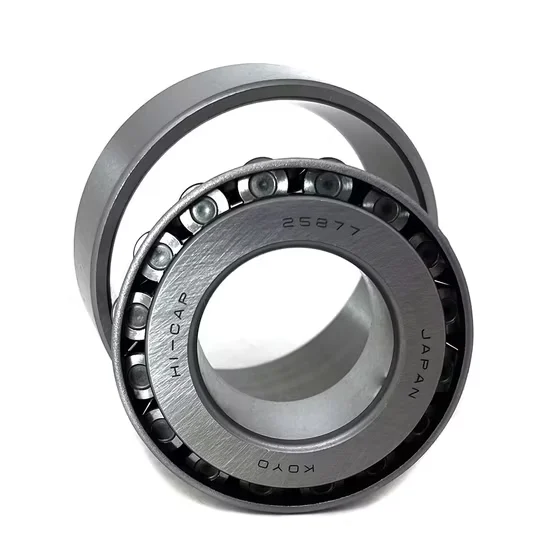
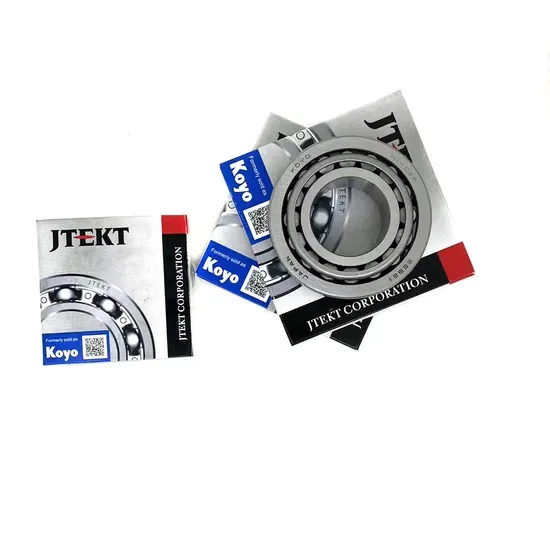
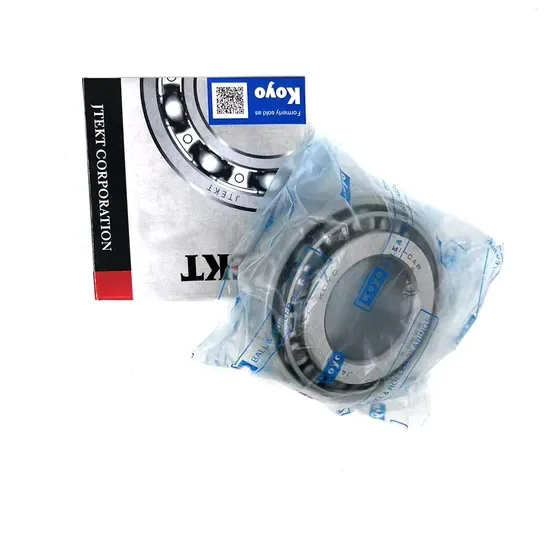
To verify authenticity, start with the packaging. Genuine products come in sealed, branded boxes with holographic labels and batch numbers that can be traced back to the manufacturer’s production facilities. Check the part number engraving on the bearing itself. It should be laser-etched or stamped clearly and evenly. Blurry or uneven markings are a red flag.
Next, inspect the raceway. A new, genuine bearing will have a smooth, polished finish. Run your finger gently along the outer ring. Any roughness or discoloration suggests prior use or poor manufacturing quality. I recommend using a micrometer to check the inner and outer diameters against the official dimensions. Deviations, even within tolerance, can indicate a non-genuine part.
A procurement manager in Latin America shared a story about a supplier who offered Koyo bearings at a fraction of the market price. Upon inspection, the bearings lacked the proper traceability documentation. When pressed, the supplier could not provide the original mill certificates. The buyer walked away, avoiding a potential disaster. Later, another factory in the same region used those cheap bearings and faced a recall due to lubricant contamination. Working with a reputable Genuine Koyo Bearings for Food Machinery Wholesale Supplier ensures that every unit comes with complete traceability documentation, protecting your brand and your customers.
What is the True Cost of Counterfeit Bearings in Food Lines?
The initial savings from cheap bearings are dwarfed by the costs of unplanned downtime, sanitation fines, and product recalls.
It is tempting to cut costs on components that seem simple. However, in food processing, a bearing failure is not just a mechanical issue; it is a food safety incident. When a bearing seizes, it can cause the entire line to stop. The cost of lost production is significant. But the hidden costs are far greater.
If a bearing fails and leaks non-food-grade lubricant into the product, the entire batch must be discarded. This results in wasted raw materials and labor. Worse, if the contaminated product reaches the market, the company faces recalls, legal liability, and damage to its reputation. Sanitation authorities may impose fines for failing to maintain hygienic equipment standards.
Consider the case of a mid-sized beverage producer. They saved a small amount on bearings by sourcing from an unverified channel. Six months later, a bearing failed during a peak production run. The resulting downtime cost them several times the savings. More importantly, the investigation revealed that the lubricant had leaked into the filling area. The cleanup and testing required to restart the line took days. The total loss was a mid-six-figure sum, not including the reputational damage.
By contrast, investing in genuine components from a trusted Genuine Koyo Bearings for Food Machinery Wholesale Supplier provides peace of mind. The reliability of these bearings means fewer interruptions, consistent performance, and compliance with strict hygiene regulations. The long-term value is clear when you consider the total cost of ownership, not just the purchase price.
Conclusion
Authenticity and specification match are non-negotiable in food machinery maintenance.
Selecting the right bearings involves more than checking a part number. It requires understanding the harsh realities of washdown environments, verifying the supply chain, and recognizing the true cost of failure. By prioritizing genuine Genuine Koyo Bearings for Food Machinery Wholesale Supplier products with proper seals and food-grade lubrication, you protect your operations from costly downtime and regulatory risks. Ensure every purchase is backed by traceability and technical support to keep your lines running smoothly and safely.