Most premature bearing failures stem from improper lubrication, not manufacturing defects.
Properly greasing Koyo bearings requires selecting a compatible lithium or polyurea-based grease, filling the internal free space to thirty to fifty percent for standard speeds, and adhering to strict relubrication intervals based on operating temperature and load conditions. Over-greasing causes churning and heat buildup, while under-greasing leads to metal-to-metal contact and rapid wear. The key is consistency, cleanliness, and understanding that the grease type must match the specific application environment, whether it involves high moisture, extreme temperatures, or heavy shock loads in mining and construction machinery.
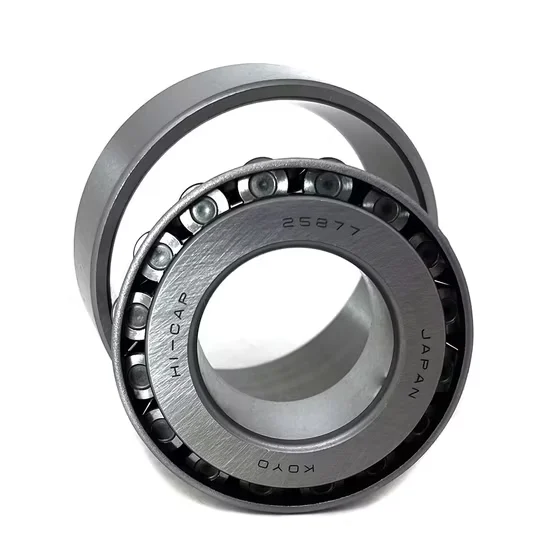
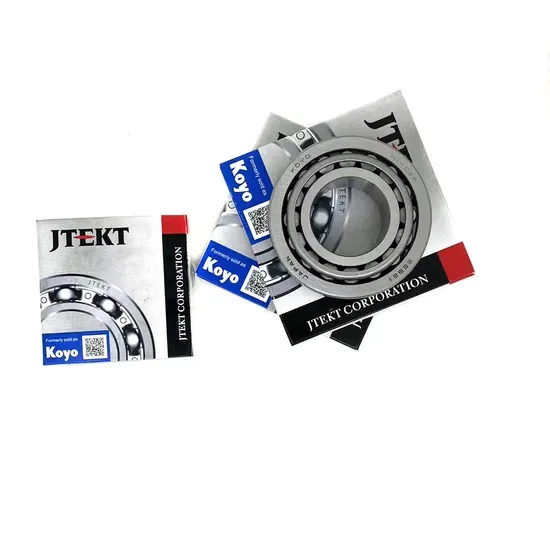
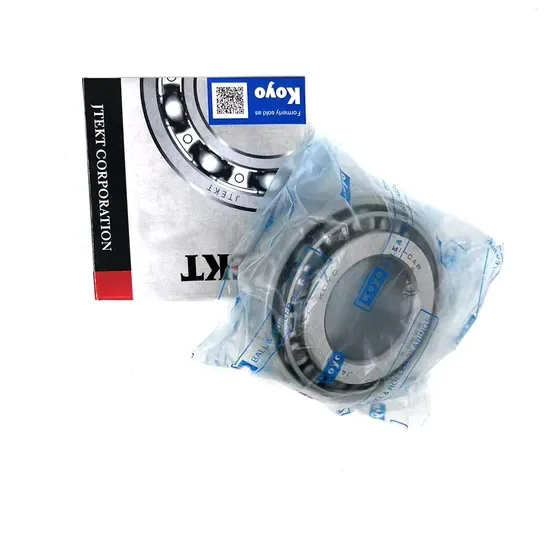
I still remember the smell of burnt oil mixed with dust in a quarry outside Johannesburg. A site manager was furious because a set of spherical roller bearings had failed after only a few weeks of operation. He blamed the brand, pointing at the KOYO markings on the outer ring. But when we pulled the failed unit apart, the issue was obvious. The housing was packed solid with fresh grease, squeezed out from every seal. The previous maintenance team had assumed more was better. They had filled the cavity completely, leaving no room for the rolling elements to move. The resulting churning generated enough heat to degrade the lubricant base oil within days, leading to catastrophic cage failure. This is a common misconception in heavy industry. When sourcing Genuine Koyo Bearings for Sale | Wholesale Supplier with Global Shipping, clients often focus intensely on part number accuracy and price, yet neglect the installation protocols that determine actual service life. My role has shifted from simply moving boxes to ensuring that the technical knowledge required to keep these components running travels with the shipment.
Why Grease Selection Matters More Than You Think
Not all greases are compatible, and mixing them can cause immediate liquefaction and loss of lubricating film.
The base oil viscosity and thickener type define how a grease performs under load. For most general industrial applications involving Koyo deep groove ball bearings or cylindrical roller bearings, a lithium complex thickener with a mineral or synthetic base oil offers a balanced performance profile. However, in wet environments like marine dredging or food processing, a polyurea or calcium sulfonate thickener provides superior water resistance. Using a standard lithium grease in a washdown environment invites rust and emulsification, which strips the protective layer from the raceways.
| Application Environment | Recommended Thickener Type | Base Oil Viscosity | Water Resistance |
|---|---|---|---|
| General Industrial (Dry) | Lithium Complex | Medium | Moderate |
| High Temperature (Ovens/Kilns) | Polyurea | Synthetic High VI | Low to Moderate |
| Wet/Washdown (Food/Marine) | Calcium Sulfonate | Medium to High | Excellent |
| Heavy Load/Shock (Mining) | Lithium Complex or Polyurea | High | Moderate to Good |
A procurement officer in Southeast Asia once ordered a large batch of insert bearings for agricultural pumps. He sourced a premium synthetic grease separately, assuming it would outperform the standard recommendation. The thickener in his chosen grease was incompatible with the residual factory grease left in the bearings. Within months, the mixture turned into a soft sludge, leaking out of the seals and leaving the rolling elements dry. The cost of replacing the seized pumps far exceeded the savings on the bulk grease purchase. When evaluating Genuine Koyo Bearings for Sale | Wholesale Supplier with Global Shipping, it is crucial to consider the entire lubrication system, not just the steel component. The right grease extends the relubrication interval, reducing maintenance downtime and total cost of ownership.
Determining the Correct Grease Fill Ratio
Overfilling a bearing is as damaging as underfilling, causing excessive heat generation through fluid friction.
The internal free space of a bearing is not designed to be completely full. For standard operating speeds, filling thirty to fifty percent of the available void volume with grease is the industry standard. This allows room for the grease to circulate and dissipate heat. At very low speeds, a higher fill ratio up to seventy percent may be acceptable to prevent contamination ingress. Conversely, at high speeds, the fill ratio should be reduced to twenty to thirty percent to minimize churning losses.
The method of application matters. Hand packing is suitable for small, open bearings during initial assembly. For larger units or sealed housings, using a calibrated grease gun ensures precision. Injecting grease directly into the bearing while it is stationary can create pressure pockets that damage seals. It is better to rotate the bearing slowly while injecting grease to distribute it evenly across the raceways and rolling elements. In one instance, a steel mill in the Middle East reported premature failures in their conveyor idler rollers. Upon inspection, we found that the automated greasing system was injecting too much volume too quickly, rupturing the labyrinth seals. Adjusting the pump stroke and frequency resolved the issue without changing the bearing model. This highlights why technical support is vital when buying Genuine Koyo Bearings for Sale | Wholesale Supplier with Global Shipping. The hardware is only half the solution; the application method determines its longevity.
Establishing Relubrication Intervals for Heavy Equipment
Relubrication intervals are not fixed; they depend on speed, temperature, and environmental contamination levels.
There is no single universal schedule for regreasing. A bearing running at moderate speed in a clean, cool environment may require relubrication only once a year. The same bearing in a hot, dusty crusher application might need attention every week. The primary indicator is operating temperature. If the bearing housing feels hot to the touch, the grease is likely degrading or churning excessively. Another sign is discoloration of the grease upon inspection. Dark, hardened grease indicates oxidation, while milky grease suggests water contamination.
Calculating the interval involves considering the bearing size and rotational speed. Larger bearings and higher speeds generate more heat, accelerating grease aging. Many maintenance teams use a baseline calculation based on bearing bore diameter and speed, then adjust for environmental factors. For example, in a cement plant in Africa, the ambient dust levels were so high that standard seals could not keep contaminants out. The maintenance team shortened the relubrication interval significantly, using the fresh grease purge to push out contaminated material before it could cause abrasive wear. This proactive approach extended the mean time between failures substantially. When sourcing Genuine Koyo Bearings for Sale | Wholesale Supplier with Global Shipping, buyers should request technical datasheets that include recommended relubrication guidelines for specific series. This data empowers local maintenance teams to set realistic schedules rather than guessing.
Common Installation Mistakes That Void Performance
Improper handling during installation can introduce contaminants that no amount of grease can fix.
Cleanliness is paramount. Even microscopic particles of dirt or metal shavings can act as abrasives, creating pits in the raceways that lead to early fatigue failure. Before greasing, ensure the housing and shaft are clean and free of burrs. Use lint-free cloths and appropriate solvents. Never use compressed air to clean a bearing, as it can force contaminants deeper into the shield or seal area and spin the bearing faster than its design limit, causing damage.
Another frequent error is mixing old and new grease without purging. If the old grease is degraded, adding new grease on top does not restore performance. The old material must be removed as much as possible before refilling. In sealed bearings, this is not possible, which is why selecting the right initial grease is critical. For open bearings, a purge cycle during relubrication helps remove old, contaminated lubricant. A workshop in Latin America struggled with recurring failures in electric motor bearings. They were simply adding new grease to the old without purging. The accumulated old grease blocked the flow, causing the new grease to bypass the rolling elements entirely. Changing the procedure to include a purge step solved the problem. This operational discipline is essential for anyone dealing with Genuine Koyo Bearings for Sale | Wholesale Supplier with Global Shipping. The quality of the component is preserved only through rigorous maintenance practices.
Conclusion
Lubrication is the lifeblood of bearing performance, requiring precise selection, application, and monitoring.
Success lies in matching the grease type to the environment, filling the correct volume, and adjusting relubrication intervals based on real-world conditions. Avoid the temptation to over-grease or mix incompatible types. By treating lubrication as a critical engineering parameter rather than a routine chore, operators can maximize the lifespan of their equipment. Sourcing Genuine Koyo Bearings for Sale | Wholesale Supplier with Global Shipping provides the high-quality foundation, but proper care ensures it delivers value over the long term.