Most buyers fixate on the 15x35x11mm envelope, but the grease inside the ZZ shields is the actual lifespan killer.
The core specification for a Koyo 6202ZZ deep groove ball bearing includes an inner diameter of 15 mm, an outer diameter of 35 mm, and a width of 11 mm. However, selecting the correct internal clearance class (such as C0 or C3) and verifying the grease lubrication limits are far more critical for preventing motor overheating than the basic dimensions alone. Genuine units adhere to ISO 492 dimensional tolerances, and proper selection requires matching the grease type to the operating RPM and temperature range to avoid premature seal failure or thermal seizure.
I learned this the hard way in Chicago. Years ago, while rushing to fulfill a mixed batch order for a local distributor, I treated a bulk purchase of Koyo 6202ZZ units as a simple commodity transaction. The dimensions were perfect. The packaging looked authentic. But I ignored the subtle differences in internal clearance and the specific grease formulation sealed within the steel shields. Three months later, the phones started ringing. Motors were overheating, emitting high-pitched whines, and failing catastrophically. The return shipping costs alone wiped out the margin from the entire quarter. That loss taught me that the physical envelope is just the entry ticket; the real engineering happens inside the cavity. Today, when I handle inquiries for Koyo 6202ZZ specs, I do not just quote prices. I ask about the application speed, the ambient temperature, and the required clearance. This shift from trading boxes to managing specifications is what separates a reliable partner from a mere box mover.
What Are the Core Dimensions and Load Ratings of Koyo 6202ZZ?
The 15x35x11mm profile is standard, but load capacity varies significantly with material purity and raceway geometry.
When sourcing Koyo 6202ZZ bearings, the first checkpoint is always the dimensional verification. These values are not arbitrary; they are defined by international standards to ensure interchangeability across global machinery platforms. A genuine unit will strictly adhere to these metrics, but deviations in manufacturing precision can lead to fitment issues in high-tolerance housings.
| Parameter | Specification Value | Standard Reference |
|---|---|---|
| Inner Diameter (d) | 15 mm | ISO 15 |
| Outer Diameter (D) | 35 mm | ISO 15 |
| Width (B) | 11 mm | ISO 15 |
| Chamfer Dimension (r) | Min 0.6 mm | ISO 15 |
| Basic Dynamic Load Rating (Cr) | ~7.8 kN | Manufacturer Catalog |
| Basic Static Load Rating (Cor) | ~3.6 kN | Manufacturer Catalog |
The dynamic load rating indicates the bearing’s ability to withstand rotational forces, while the static rating applies to stationary loads. For industrial distributors, understanding these ratings is crucial when advising clients who might substitute a 6202ZZ for a heavier-duty application. A common mistake is assuming all 6202 bearings are equal. In reality, the quality of the steel and the precision of the raceway grinding directly impact fatigue life. Counterfeit or lower-tier alternatives may match the 15x35x11mm dimensions but fail under half the rated load due to inferior material hardness or surface finish.
Verifying these specs requires more than a caliper. It demands access to technical data sheets that confirm the material grade and heat treatment process. For bulk orders, requesting certification that aligns with ISO standards ensures that the Koyo 6202ZZ units you receive will perform as expected in demanding environments like gearboxes or electric motors.
Why Do ZZ Shields Matter More Than You Think?
Steel shields protect against large debris, but they dictate grease retention and maximum speed limits.
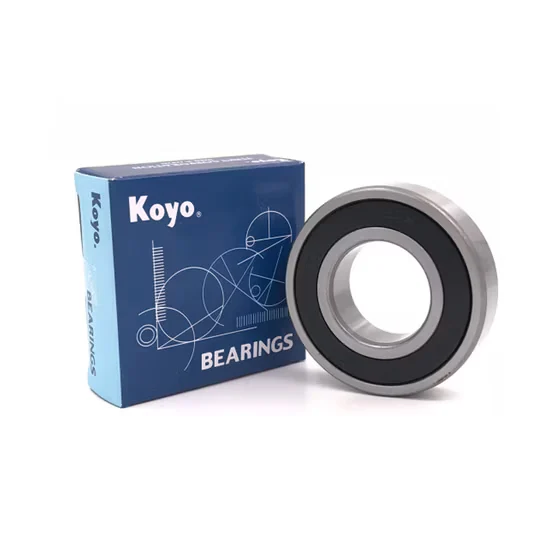
The “ZZ” designation in Koyo 6202ZZ specs refers to the presence of non-contact steel shields on both sides of the bearing. Unlike rubber seals, which offer superior protection against fine dust and moisture but generate more friction, steel shields provide a balance between protection and low torque. This design choice is critical for high-speed applications where heat generation must be minimized.
However, the shield design creates a specific environment for the lubricant. The gap between the shield and the inner ring allows for some air circulation but also permits the ingress of fine particles if the environment is particularly harsh. I have seen cases in dusty cement plants where ZZ shields failed to prevent contamination, leading to a noticeable increase in abrasive wear. In such scenarios, the shield acts less as a barrier and more as a grease retainer. If the grease degrades or leaks out, the bearing fails regardless of the steel quality.
| Feature | ZZ Shield (Steel) | RS Seal (Rubber) |
|---|---|---|
| Contamination Protection | Moderate (Large particles) | High (Fine dust/water) |
| Friction/Torque | Low | Higher |
| Max Speed Capability | High | Limited |
| Grease Retention | Good | Excellent |
| Typical Application | Electric Motors, Fans | Pumps, Agricultural Machinery |
The limiting speed of a Koyo 6202ZZ with ZZ shields is generally higher than that of a rubber-sealed variant because there is no contact friction. However, this advantage is nullified if the grease inside cannot withstand the resulting centrifugal forces or temperature rise. Buyers often overlook this interaction, focusing solely on the shield’s physical presence. A proper evaluation of Koyo 6202ZZ specs must include an assessment of whether the ZZ configuration suits the environmental conditions. For clean, high-speed environments, ZZ is ideal. For wet or dirty conditions, it may be a liability.
How to Select the Right Clearance and Grease?
Wrong clearance causes thermal expansion seizures; mismatched grease leads to noise and early failure.
Internal clearance is the silent killer of bearing life. The standard clearance for most general-purpose applications is C0 (Normal). However, in applications where the inner ring heats up significantly more than the outer ring, such as in electric motors, the inner ring expands. If the initial clearance is too tight, this thermal expansion eliminates the running clearance, leading to preload, excessive heat, and eventual seizure. Conversely, too much clearance can cause vibration and noise.
For Koyo 6202ZZ bearings, selecting between C2 (Reduced), C0 (Normal), and C3 (Increased) clearance is a technical decision, not a guess. A European wind farm operator once reported premature failures in their generator auxiliary motors. The investigation revealed that C0 clearance bearings were used in an application with significant thermal gradients. Switching to C3 clearance resolved the issue by accommodating the thermal expansion without inducing preload.
| Clearance Class | Description | Typical Application |
|---|---|---|
| C2 | Reduced | Precision instruments, low noise requirements |
| C0 | Normal | General industrial use, standard motors |
| C3 | Increased | High temperature, heavy loads, thermal expansion |
Grease selection is equally vital. The grease packed in a standard Koyo 6202ZZ is suitable for a wide range of temperatures, but it has limits. High-speed applications generating significant heat require high-temperature grease with stable viscosity characteristics. Using standard grease in a high-RPM scenario can lead to oil separation, where the base oil bleeds out, leaving the thickener to dry out and fail. This results in the characteristic whining noise that precedes failure.
When reviewing Koyo 6202ZZ technical data sheet information, pay attention to the grease type and fill volume. Over-greasing can be as detrimental as under-greasing, causing churning and heat buildup. The optimal fill volume is typically a fraction of the free space within the bearing, ensuring adequate lubrication without excessive resistance.
How to Verify Genuine Koyo 6202ZZ Specs?
Counterfeits match dimensions but fail in material integrity and traceability.
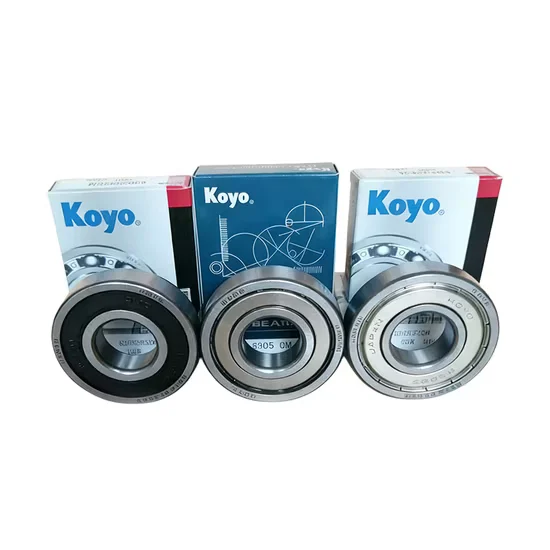
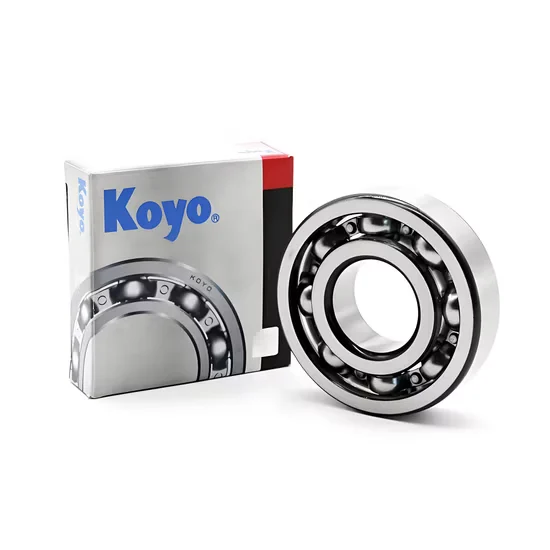
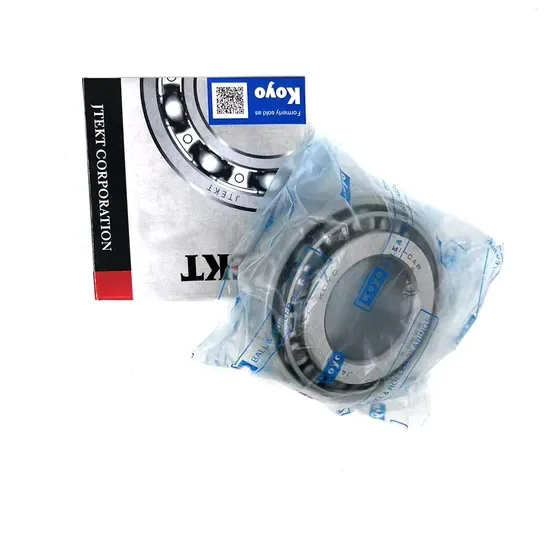
The market is flooded with bearings that look identical to genuine Koyo products but lack the metallurgical quality and precision engineering. Verifying the authenticity of Koyo 6202ZZ specs requires a multi-layered approach. First, check the packaging. Genuine Koyo bearings come in branded boxes with clear labeling, including part numbers, batch codes, and country of origin. Counterfeit packaging often has blurry print, spelling errors, or missing batch information.
Second, inspect the bearing itself. The laser marking on the shield should be crisp and evenly spaced. The steel should have a uniform, high-quality finish without visible tool marks or discoloration. While visual inspection is a good first step, it is not definitive. The most reliable method is to request traceability documentation. Reputable suppliers can provide certificates of conformity that link the batch number to the manufacturer’s production records.
| Verification Step | Genuine Indicator | Counterfeit Warning |
|---|---|---|
| Packaging | Clear branding, batch codes, holograms | Blurry print, missing info, generic boxes |
| Marking | Crisp laser etching, consistent font | Shallow stamping, uneven characters |
| Surface Finish | Uniform, smooth, no discoloration | Rough spots, tool marks, rust spots |
| Documentation | Full traceability, COC available | No docs, vague origins, refused requests |
A Middle East steel mill once received a shipment of bearings that passed visual inspection but failed within weeks under heavy load. Metallurgical analysis revealed inferior steel quality with high inclusion counts, leading to rapid fatigue failure. This case underscores the importance of sourcing from suppliers who prioritize traceability and quality assurance over lowest price. When buying Koyo 6202ZZ specs in bulk, insist on proof of origin. It is the only way to ensure that the bearings you install will meet the performance expectations set by the manufacturer.
Conclusion
Dimensions are just the start; clearance and grease define the life.
Selecting the right Koyo 6202ZZ bearing requires looking beyond the 15x35x11mm dimensions to understand the interplay between internal clearance, grease formulation, and shield design. Proper specification prevents overheating and premature failure, ensuring reliable performance in demanding industrial applications. Always verify authenticity through traceability and technical documentation to protect your machinery and your reputation.