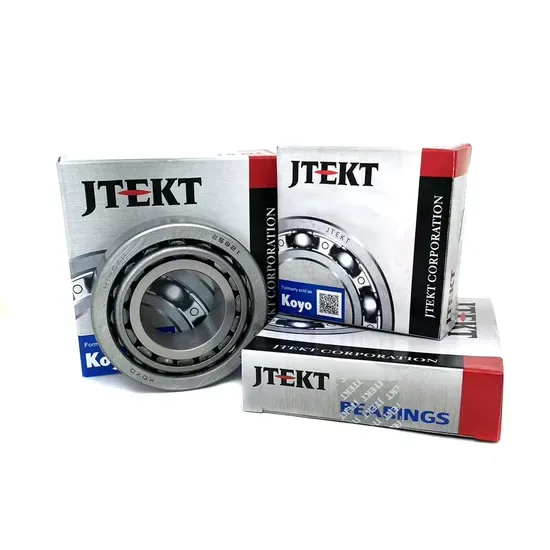
Choosing the cheapest freight option often results in the highest total landed cost.
Successful supply of KOYO bearings to the Middle East depends less on shipping rates and more on the precise alignment of HS codes, certificates of origin, and commercial invoices. A single discrepancy between the declared brand origin and the physical goods can trigger weeks of detention at major hubs like Jebel Ali or Dammam. Buyers must prioritize documentation accuracy and mixed-container consolidation strategies over simple freight minimization to ensure smooth customs clearance and uninterrupted production schedules.
I still recall the silence on the other end of the phone when a client in Dubai realized their production line had halted. The culprit was not a lack of stock, but a batch of spherical roller bearings stuck in customs. The commercial invoice listed a generic origin, while the certificate of origin specified Japan, creating a mismatch that flagged the shipment for inspection. That two-week delay cost far more than the premium for proper documentation would have. Since then, I have focused on the intricate details of trade compliance, ensuring that every document matches the physical cargo exactly. This approach prevents the demurrage fees that often exceed the initial freight savings.
Understanding these logistical nuances is critical for any distributor managing inventory across the region. The following sections detail how to navigate these challenges effectively.
What are the main shipping routes for KOYO bearings to the Middle East?
Sea freight remains the backbone of regional distribution, while air freight serves only critical emergency replacements.
Most industrial buyers default to sea freight for its cost efficiency, but the choice between full container loads and less-than-container consolidations defines the speed and flexibility of supply. For large-scale projects, direct sea routes to Jebel Ali in the UAE or King Abdulaziz Port in Dammam, Saudi Arabia, offer the most reliable transit times. However, for maintenance, repair, and operations (MRO) needs, waiting for a full container is often impractical.
A common misconception is that single-brand containers clear customs faster. In reality, mixed-brand consolidation allows distributors to optimize minimum order quantities and reduce inventory holding costs. By combining KOYO bearings with other mainstream brands in a single container, buyers can achieve a balanced stock profile without overcommitting to one manufacturer. This method is particularly effective for regional wholesalers who serve diverse industrial sectors, from mining to automotive repair.
When urgency dictates, air freight becomes necessary. For a cement plant facing an unexpected breakdown, the difference between a five-day air shipment and a twenty-five-day sea transit can mean the difference between minor downtime and a complete production halt. While air freight costs are significantly higher, the value of restored production often justifies the expense. The key is to reserve air freight for genuine emergencies and rely on optimized sea freight for regular replenishment.
Selecting the right route requires balancing cost against the risk of stockouts. A well-planned logistics strategy integrates both modes, ensuring that critical spares are always accessible while maintaining cost-effective bulk inventory.
Why do KOYO bearings get stuck at Middle Eastern customs?
Discrepancies between HS codes, commercial invoices, and certificates of origin are the primary causes of detention.
Customs authorities in the Gulf Cooperation Council (GCC) countries enforce strict verification protocols. A frequent issue arises when the HS code on the invoice does not match the specific type of bearing being imported. For example, spherical roller bearings fall under a specific subheading within HS code 8482. Misclassifying them as general ball bearings can trigger manual inspections and delays.
Another common pitfall involves the certificate of origin. If the certificate states the goods are manufactured in Japan, but the packaging or invoice suggests a different origin, customs officials may suspect transshipment or counterfeiting. This suspicion leads to prolonged holds while authorities verify the authenticity of the documents. In one instance, a shipment was held for weeks because the font on the certificate differed slightly from the standard template, raising unnecessary red flags.
To avoid these issues, every document must be cross-checked for consistency. The brand name, model number, country of origin, and HS code must appear identically on the commercial invoice, packing list, bill of lading, and certificate of origin. Even minor typos can cause significant setbacks. Working with a supplier who understands these requirements ensures that all paperwork is prepared correctly before the vessel departs.
Attention to detail in documentation is not merely administrative; it is a critical component of supply chain reliability. Ensuring perfect alignment across all papers prevents costly delays and maintains trust with local authorities.
How to prepare flawless customs documents for KOYO imports?
Exact matching of brand, origin, and HS code 8482 is non-negotiable for smooth clearance.
Preparing customs documents requires a systematic approach. Start by verifying the correct HS code for each bearing type. Deep groove ball bearings, spherical roller bearings, and tapered roller bearings each have distinct subheadings. Using a generic code for all types is a recipe for rejection.
Next, ensure the certificate of origin is issued by a recognized chamber of commerce and matches the manufacturing location stated on the product packaging. For KOYO bearings, this typically means Japan. Any deviation must be explained and supported by additional documentation, such as a letter of explanation from the manufacturer.
The commercial invoice should include detailed descriptions, including the brand, model number, and quantity. Avoid vague terms like “bearings” or “parts.” Instead, specify “KOYO Spherical Roller Bearing, Model 22210, Made in Japan.” This level of detail helps customs officers quickly verify the shipment without needing to open every box.
| Document Type | Critical Checkpoint | Common Error |
|---|---|---|
| Commercial Invoice | HS Code Accuracy | Using generic codes for specific bearing types |
| Certificate of Origin | Country Match | Mismatch between stated origin and packaging |
| Packing List | Quantity Consistency | Discrepancy between listed and actual units |
| Bill of Lading | Consignee Details | Incorrect company name or address format |
By adhering to these standards, importers can minimize the risk of inspection and expedite the release of their goods. A flawless document set acts as a passport for your cargo, allowing it to move through ports with minimal friction.
Precision in paperwork reflects professionalism and reduces the administrative burden on both the importer and customs authorities. It is a small effort that yields significant operational benefits.
Can I mix KOYO bearings with other brands in one container?
Yes, mixed consolidation is highly supported for regional distributors to optimize MOQ and reduce costs.
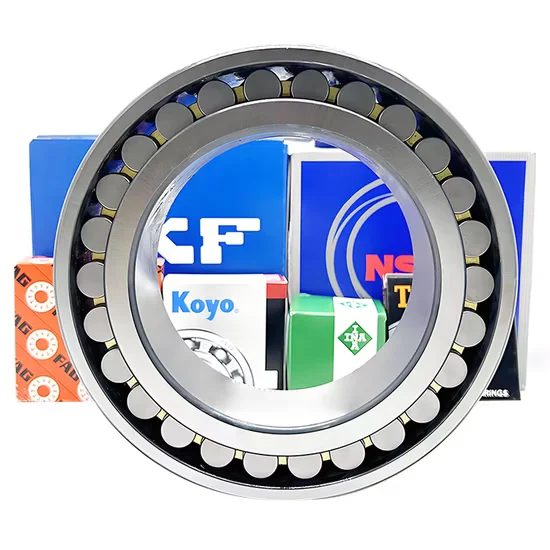
Many buyers believe that mixing brands complicates customs clearance. In fact, mixed-container consolidation is a standard practice that offers substantial advantages. By combining KOYO bearings with other reputable brands like SKF or NSK, distributors can fill a container with a diverse range of SKUs, meeting the varied needs of their local market without exceeding budget constraints.
This approach allows for smaller order quantities per brand, reducing inventory risk and freeing up capital. It also enables distributors to offer a broader product portfolio to their customers, enhancing their competitive position. For example, a wholesaler in Riyadh might combine KOYO spherical roller bearings for heavy industry with deep groove ball bearings for automotive applications, all in a single shipment.
The key to successful mixed consolidation is accurate documentation. Each brand and model must be clearly listed on the packing list and invoice. The total weight and volume must be calculated precisely to avoid overloading or underutilizing the container.
Working with a supplier experienced in mixed-brand sourcing ensures that all items are properly packed and documented. This expertise prevents confusion at customs and ensures that each product is easily identifiable upon arrival.
Mixed consolidation transforms logistics from a cost center into a strategic advantage. It provides flexibility, reduces waste, and supports a more responsive supply chain.
Conclusion
Documentation accuracy outweighs freight cost in determining total landing success.
Supplying KOYO bearings to the Middle East requires a disciplined approach to customs compliance and logistics planning. By prioritizing precise HS codes, consistent origin certificates, and strategic mixed-container consolidation, buyers can avoid costly delays and ensure reliable delivery. These practices build a resilient supply chain capable of supporting industrial growth across the region.