Brass is not always the superior choice for heavy-duty applications.
Koyo cage codes such as M1, CA, and F1 define specific material compositions and structural designs that dictate load capacity, speed limits, and thermal resistance. Selecting the correct suffix prevents catastrophic failure in high-stress environments like mining crushers and steel mills, where mismatched cages lead to rapid fragmentation and unplanned downtime.
I still remember the silence in a Dubai quarry office. It was not peaceful; it was the sound of a production line that had stopped cold. Two months prior, I had shipped a container of cylindrical roller bearings for their primary crusher. The purchase order specified a standard suffix, but I had overlooked the critical distinction between a stamped steel cage and a machined brass one. The client operated under extreme heat and shock loads. The stamped steel, unable to withstand the thermal expansion and friction, fractured. The resulting debris seized the rollers, destroying the bearing and halting the entire extraction process. That incident forced me to stop treating suffixes as mere administrative details. They are engineering directives. Understanding the precise meaning of these codes is the difference between a reliable supply chain and a costly operational disaster.
This guide decodes the technical specifications behind Koyo cage suffixes. It provides a clear framework for matching these codes to your operating conditions, ensuring that every bearing you source meets the rigorous demands of your machinery.
What Do Koyo Cage Codes Actually Mean?
The suffix attached to a Koyo bearing part number is not arbitrary. It specifies the cage material, manufacturing method, and internal geometry. Misinterpreting these letters can lead to selecting a component that physically fits but functionally fails.
M1, CA, and F1 represent distinct engineering solutions for different mechanical stresses.
- M1 (Machined Brass Cage): This code indicates a cage made from solid brass, machined to precise tolerances. Brass offers excellent wear resistance and low friction coefficients. It is ideal for applications involving moderate to high speeds and temperatures where lubrication might be marginal. The material’s inherent properties allow it to absorb minor misalignments without cracking.
- CA (Window-Type Steel Cage): Often found in large spherical and cylindrical roller bearings, the CA suffix denotes a stamped steel cage with a window-type design. This structure is robust and cost-effective for heavy radial loads at moderate speeds. However, it lacks the thermal resilience of brass. In high-temperature environments, the steel can expand differently than the rollers, leading to increased stress.
- F1 (Stamped Steel Cage): This is a general-purpose stamped steel cage. It is suitable for low to moderate speeds and loads. While economical, it is vulnerable to high centrifugal forces and thermal shock. Using an F1 cage in a high-speed gearbox, for instance, can result in premature wear due to insufficient guidance stability.
| Cage Code | Material | Manufacturing Method | Primary Application Suitability | Thermal Resistance |
|---|---|---|---|---|
| M1 | Brass | Machined | High speed, moderate-high temp, precision | High |
| CA | Steel | Stamped (Window-type) | Heavy radial load, moderate speed | Moderate |
| F1 | Steel | Stamped | Low-moderate speed, general purpose | Low |
A European gearbox OEM once faced recurring warranty claims because they specified F1 cages for high-RPM units. The stamped steel could not maintain structural integrity under the centrifugal forces, leading to cage deformation and roller misalignment. Switching to a more robust design resolved the issue, but only after significant reputational damage.
How to Match Cage Codes to Your Operating Conditions?
Selecting the right cage requires a systematic analysis of your operating environment. It is not enough to match the bore and outer diameter. You must evaluate speed, load, temperature, and lubrication.
Follow this step-by-step method to align cage codes with your specific工况 (operating conditions).
- Assess Operating Temperature: If your application exceeds 120°C consistently, avoid standard stamped steel cages like F1. The differential thermal expansion between steel cages and hardened steel rollers can cause binding. Opt for M1 brass cages, which handle thermal variance better.
- Evaluate Speed Limits: High rotational speeds generate significant centrifugal force. Stamped steel cages may deform or vibrate excessively. Machined brass (M1) or specialized polymer cages offer better stability at high RPMs. Check the manufacturer’s speed rating for each cage type.
- Analyze Load Type: For heavy shock loads, such as in mining crushers, a robust window-type steel cage (CA) often provides the necessary strength. However, if the shock load is combined with high temperature, you may need a reinforced brass design. Purely radial heavy loads favor CA, while combined loads with precision requirements may favor M1.
- Check Lubrication Quality: Poor lubrication increases friction and heat. Brass cages (M1) have better emergency running properties than steel. If your maintenance intervals are long or lubrication is difficult, M1 is the safer choice.
A steel mill in Southeast Asia experienced a fifty percent reduction in bearing life after switching suppliers. The new batch used CA cages in a continuous high-heat rolling stand. The original specification had called for a heat-treated variant or brass, but the substitution went unnoticed. The steel cages softened and deformed, leading to frequent replacements. Proper verification of the suffix would have prevented this.
What Happens When You Pick the Wrong Suffix?
Failure analysis reveals that cage mismatch is a silent killer in heavy industry. It does not always show immediate signs. Instead, it manifests as gradual vibration increase, noise, and eventual catastrophic seizure.
Incorrect cage selection leads to specific failure modes that are preventable with proper code verification.
- Fragmentation: In high-load applications, using a lightweight stamped steel cage (F1) instead of a robust machined one (M1 or CA) can cause the cage pockets to crack. Once a piece breaks off, it enters the rolling element path, causing immediate destruction of the raceways and rollers. This was the exact scenario in the Dubai quarry incident.
- Excessive Wear: Mismatched materials can lead to galvanic corrosion or adhesive wear. For example, running a steel cage against hardened steel rollers without adequate lubrication creates high friction points. Over time, this wears down the cage windows, allowing rollers to skew and jam.
- Thermal Seizure: As mentioned, steel cages expand differently than brass or ceramic hybrids. In high-temperature environments, a steel cage can expand enough to bind the rollers, causing a sudden spike in temperature and eventual locking of the bearing.
A mining operator in Africa reported a series of failures in their conveyor drive units. The root cause was traced to the use of standard F1 cages in an environment with high ambient dust and heat. The dust compromised the lubrication, increasing friction. The steel cages, lacking the thermal tolerance of brass, distorted and failed. Replacing them with M1 cages extended the service life significantly.
How to Verify Genuine Koyo Cage Codes Upon Delivery?
Counterfeit bearings often mimic the external appearance of genuine products but fail to meet internal specifications. The cage is a common area where corners are cut. Verifying the cage code is a critical quality control step.
Implement these inspection steps to ensure the delivered bearings match the ordered suffix.
- Visual Inspection of Material Color: Brass cages (M1) have a distinct golden hue. Steel cages (CA, F1) are silver-gray. If you ordered M1 but received a silver cage, the shipment is incorrect. Note that some steel cages are coated, so scratch testing in a non-critical area may be necessary to confirm base material.
- Check Surface Finish: Machined brass cages (M1) have a smooth, precise finish with visible tool marks from the machining process. Stamped steel cages (CA, F1) have a different texture, often with slight burrs or press marks. The quality of the finish should match the expected manufacturing method.
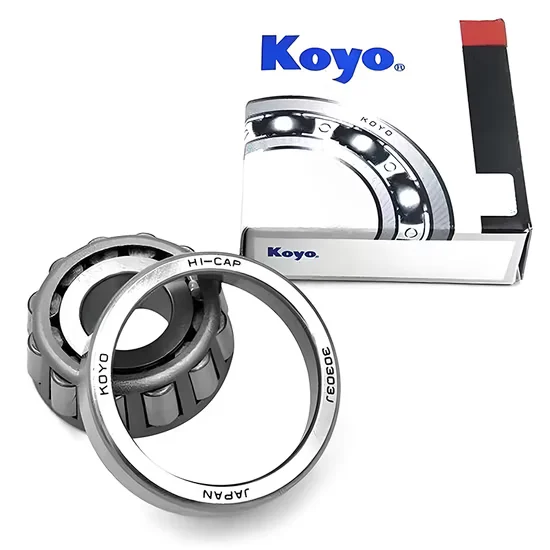
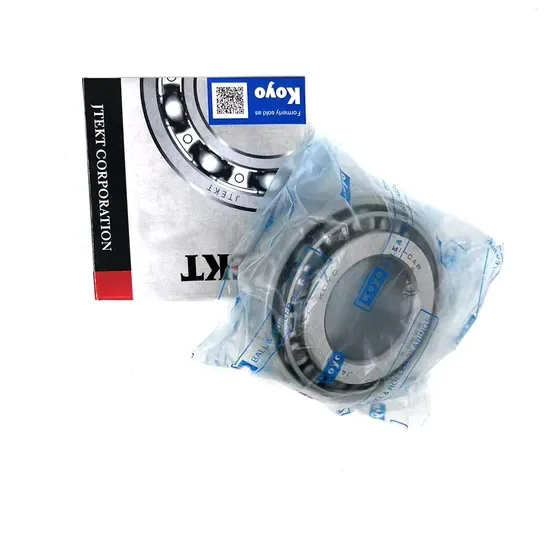
- Verify Markings and Packaging: Genuine Koyo bearings come with packaging that lists the full part number, including the suffix. Cross-reference this with the physical bearing. Some genuine bearings also have laser markings on the outer ring that include the suffix.
- Request Traceability Documentation: A reputable supplier provides mill certificates or traceability docs that link the batch number to the manufacturing records. These documents should confirm the material specifications for the cage.
When sourcing from global markets, always ask for photos of the actual cage before shipment if possible. A reliable partner will provide these details to prevent mismatch errors. This level of transparency is essential for maintaining trust and operational reliability.
Conclusion
Accurate decoding of Koyo cage codes is a non-negotiable requirement for heavy-duty reliability.
Ignoring the distinction between M1, CA, and F1 suffixes invites unnecessary risk. By understanding the material properties and structural limitations of each code, you can select bearings that withstand your specific operational stresses. Always verify the suffix against your application’s temperature, speed, and load requirements. Partner with suppliers who prioritize technical accuracy and traceability to ensure that every bearing performs as engineered.