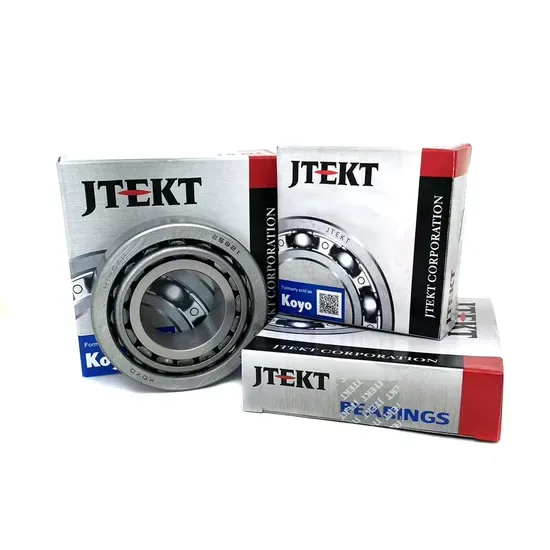
Bigger inventory does not equal more sales.
A strategic Koyo stock program shifts distributor focus from hoarding slow-moving parts to optimizing high-turnover inventory, securing MRO orders through reliable availability. This approach reduces dead stock, improves cash flow, and ensures fast-moving deep groove ball bearings are ready for urgent maintenance needs.
Running a bearing wholesale business in Jakarta taught me the hard way that capital trapped in static inventory is capital lost. I once stocked a massive quantity of spherical roller bearings, assuming their high unit value meant higher profit potential. The reality was starkly different. While those heavy-duty units sat gathering dust, my regular MRO clients were calling frantically for standard deep groove ball bearings to keep their production lines running. I had no stock. They bought from a competitor who did. That loss was not just about one order; it was about reliability. Since then, I have restructured how I approach inventory, focusing on data-driven turnover rather than gut-feeling bulk buying. Implementing a structured Koyo stock program became the cornerstone of this shift, transforming how we serve regional distributors.
The transition from reactive stocking to proactive inventory management requires understanding what triggers the need for change. Unplanned dead stock cripples cash flow and causes distributors to lose urgent MRO orders. Many wholesalers believe that having a bit of everything is the safest bet. However, industry data suggests that a significant portion of bearing inventory remains untouched for extended periods, tying up working capital that could be used for faster-moving items.
What Triggers the Need for a Koyo Stock Program?
Dead stock is silent profit killer.
The primary trigger for adopting a structured Koyo stock program is the realization that inventory diversity without velocity is a liability. In the Southeast Asian market, demand patterns are distinct. Heavy industrial projects may require large spherical or tapered roller bearings, but these are often project-specific and predictable. The daily bread and butter of a distributor, however, is the MRO sector. Factories, repair workshops, and equipment dealers need immediate replacements for standard components.
I observed that when distributors ignore local MRO data, they end up with warehouses full of niche sizes while lacking the common 6200 or 6300 series deep groove ball bearings. This mismatch leads to two critical issues. First, cash flow stagnates. Money spent on slow-moving inventory cannot be used to purchase high-demand items. Second, customer trust erodes. When a client faces an unplanned downtime event, they do not wait for a shipment from overseas. They go to the supplier who has the part on the shelf.
Consider a case involving a distributor in Thailand. They held extensive stock of specialized angular contact bearings for machine tools, assuming high precision meant high demand. However, their general manufacturing clients frequently needed standard radial bearings for conveyor systems and pumps. By failing to align their stock with actual consumption patterns, they missed out on recurring revenue streams. A well-designed Koyo stock program uses SKU turnover rate analysis to identify which parts move fast and which do not. This allows distributors to reallocate capital from low-turnover items to high-velocity SKUs, ensuring that the most requested bearings are always available.
How to Structure a High-Turnover Koyo Inventory?
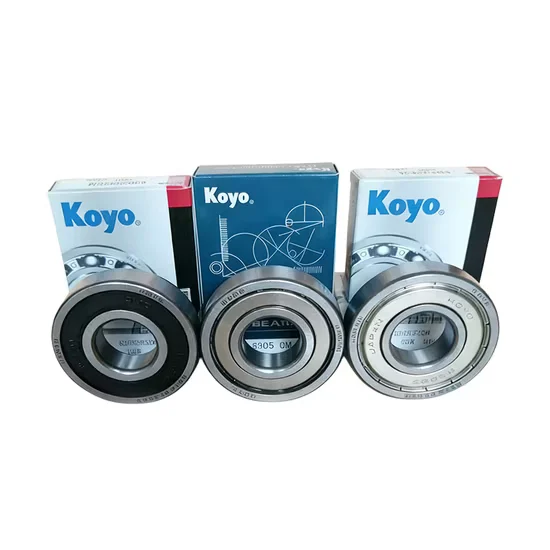
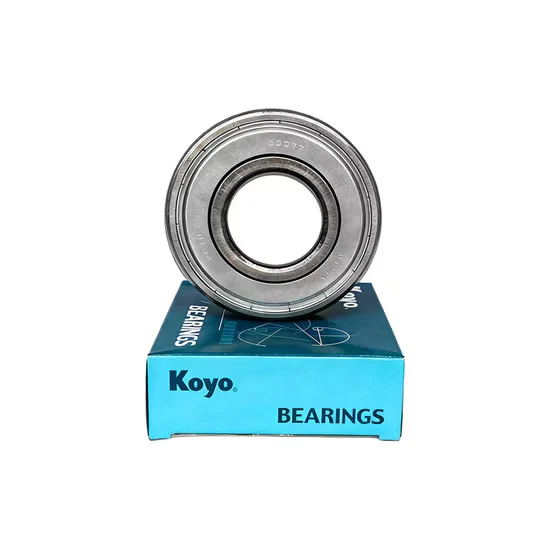
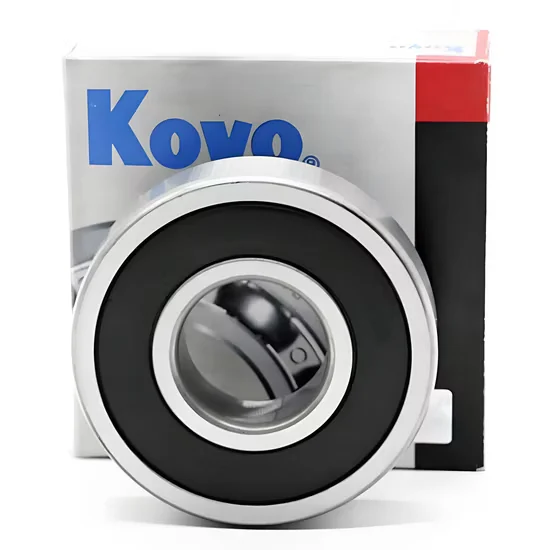
Focus on fast-moving deep groove ball bearings based on local MRO data.
Structuring inventory effectively requires shifting focus from broad coverage to targeted depth in high-demand categories. The core of a successful Koyo stock program lies in ABC inventory classification. Class A items are the high-volume, low-margin products that drive foot traffic and repeat business. For most bearing distributors, these are deep groove ball bearings in common metric sizes. Class B items include cylindrical and spherical roller bearings with moderate turnover. Class C items are specialized or large-diameter bearings with low frequency but high individual value.
Many distributors make the mistake of treating all brands and types equally. However, premium brands like Koyo offer specific advantages in the MRO segment due to their reputation for durability and widespread compatibility. By analyzing historical sales data and local market trends, distributors can identify which Koyo SKUs are essential. For instance, in the automotive aftermarket and general manufacturing sectors, certain seal types and clearance codes (like C3) are preferred due to operating conditions.
A practical approach involves creating a core stock list of the top 50-100 moving Koyo part numbers. These should be kept at safe stock levels to prevent stockouts. The rest of the inventory can be managed on a replenishment basis. This method ensures that the majority of incoming orders can be fulfilled immediately from local stock. It also simplifies warehouse management, as staff can prioritize picking and packing for these high-velocity items.
In my experience, distributors who adopt this structured approach see a noticeable improvement in fulfillment rates. They no longer scramble to source common parts for every small order. Instead, they have a reliable base of inventory that covers the majority of daily inquiries. This reliability becomes a competitive advantage, especially when competing against suppliers who only offer backorder services. A tailored Koyo stock program ensures that the right bearings are in the right place at the right time.
What Are the Tangible Benefits of Optimized Stock?
Freed capital and higher order retention directly boost profitability.
The benefits of an optimized inventory strategy are measurable and impactful. The most immediate benefit is the reduction of dead stock. By reallocating capital from slow-moving spherical roller bearings to fast-moving deep groove ball bearings, distributors free up working capital. This capital can then be used to expand the range of high-turnover items or to take advantage of bulk purchasing opportunities for popular SKUs.
Another significant benefit is order retention. When a distributor has spot availability for urgent MRO needs, they prevent lost sales. Clients value reliability above all else. If a supplier can deliver a replacement bearing within hours rather than weeks, they secure long-term loyalty. This is particularly important in industries where downtime costs are substantial. A study on supply chain resilience highlights that availability is a key driver of customer satisfaction in industrial distribution.
Furthermore, optimized stock improves operational efficiency. With a focused inventory, warehouse staff spend less time searching for obscure parts and more time processing high-volume orders. This leads to faster order processing times and reduced error rates. Distributors also benefit from better forecasting accuracy. By tracking the movement of core Koyo SKUs, they can predict future demand more reliably and adjust their procurement plans accordingly.
Consider a distributor in Vietnam who implemented a Koyo stock program focused on deep groove ball bearings. Within several months, they reported a significant drop in obsolete inventory and a rise in repeat orders from local factories. Their cash flow improved because money was no longer tied up in unsold specialized bearings. Instead, it circulated through fast-moving products, generating consistent revenue. This shift demonstrates that premium brands are not just for OEMs; optimized stock makes them highly profitable for local MRO distribution.
How to Execute Mixed-Container Sourcing Efficiently?
One-stop sourcing simplifies consolidation and reduces lead times.
Efficient execution of a Koyo stock program often involves mixed-container sourcing. For many regional distributors, ordering full containers of a single SKU is impractical due to storage constraints and cash flow limitations. Mixed-container loading allows distributors to combine various Koyo SKUs, and even other brands, into a single shipment. This approach optimizes logistics costs and reduces lead times.
However, mixed-container sourcing requires careful planning. Distributors must ensure that the combination of items maximizes container space while meeting their inventory needs. This is where professional sourcing partners play a crucial role. By working with a supplier who offers flexible MOQ and mixed-container consolidation services, distributors can streamline their procurement process. The supplier handles the complexity of combining different sizes and types of bearings, ensuring that each container is loaded efficiently.
This method also simplifies customs clearance and documentation. Instead of managing multiple small shipments from different sources, distributors deal with a single consolidated shipment. This reduces administrative burden and minimizes the risk of delays. Additionally, sourcing from a single trusted partner ensures consistent quality and traceability across all items in the container.
For example, a distributor in the Philippines used to order small batches of Koyo bearings from multiple sources, leading to fragmented inventory and high shipping costs. By switching to a one-stop sourcing model with mixed-container consolidation, they reduced their logistics lead time and simplified their supply chain. They could now order a mix of deep groove ball bearings, spherical roller bearings, and other types in a single container, tailored to their specific market demand. This efficiency gain allowed them to respond faster to customer inquiries and maintain competitive pricing.
Implementing a Koyo stock program through efficient mixed-container sourcing is a strategic move for distributors looking to optimize their operations. It combines the benefits of localized inventory with the cost-effectiveness of bulk international shipping.
Conclusion
Targeted turnover yields higher ROI than bulk hoarding.
A well-executed Koyo stock program transforms inventory from a cost center into a strategic asset. By focusing on high-turnover deep groove ball bearings and leveraging mixed-container sourcing, distributors can reduce dead stock, improve cash flow, and secure loyal MRO clients. The key lies in data-driven decision-making and efficient logistics consolidation. This approach ensures that distributors remain agile and responsive in a competitive market.