Speed is not the primary metric for emergency bearing replacement; traceability is.
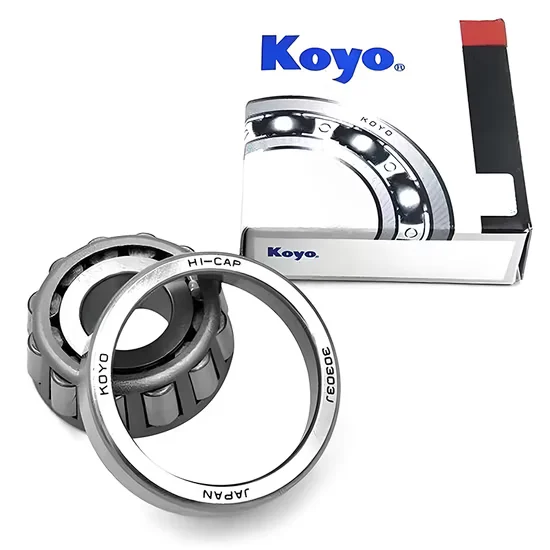
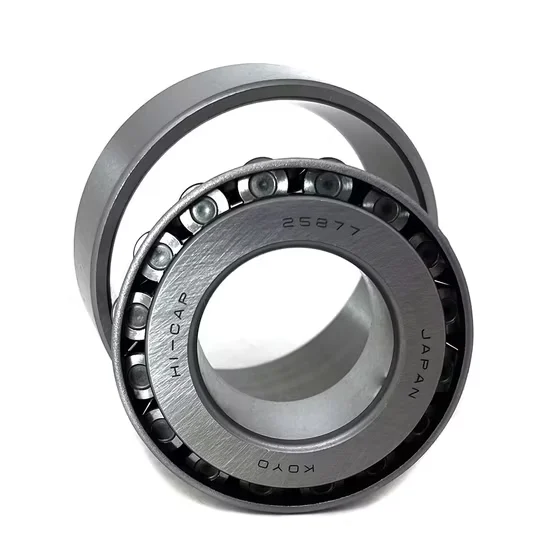
Securing genuine KOYO bearings for plant operations requires strict inventory traceability and flexible stock programs to prevent catastrophic downtime caused by mismatched clearance or fake parts. A reliable Koyo stock program prioritizes batch verification and working condition matching over mere availability, ensuring that every spherical roller bearing or deep-groove unit installed matches the original engineering specifications.
The smell of burnt grease in a crusher housing is distinct. It signals more than a mechanical failure; it signals a procurement error. Years ago, while coordinating a shipment for an Indonesian cement facility, I approved a mixed batch of KOYO spherical roller bearings to meet a tight deadline. The part numbers matched, but the internal clearance codes did not. Within days, the main drive line seized. The cost of that stoppage dwarfed the savings from rushing the order. Since then, my approach to Koyo stock programs for plants has shifted from volume-based sourcing to precision-based verification. This perspective aligns with industry guidelines that emphasize root cause analysis over rapid replacement.
What defines a reliable Koyo stock program for heavy industries?
A reliable program is defined by its ability to prove origin, not just its promise of delivery.
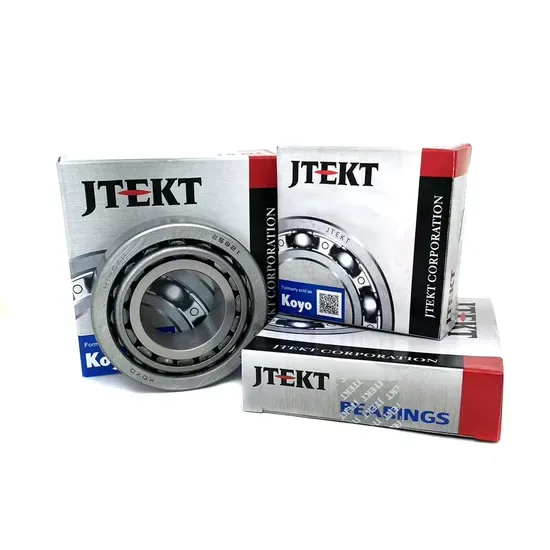
In heavy industries like mining and steel production, the risk of counterfeit or mislabeled bearings is substantial. A robust Koyo stock programs for plants framework must include complete documentation chains. This means every box, from a single tapered roller bearing to a full pallet of cylindrical units, carries verifiable batch numbers linked to the manufacturer’s production facilities.
Many distributors claim to hold stock, but few maintain the rigorous segregation required for premium brands. When inventory from different batches is commingled without proper labeling, the risk of installing a bearing with incorrect heat treatment or material purity increases. For MRO operators, this uncertainty is unacceptable. The value of a supplier lies in their willingness to provide traceability documents before the goods leave the warehouse. This practice ensures that the KOYO spherical roller bearing supply chain remains unbroken from factory to site.
Consider a scenario where a European wind farm operator needs urgent replacements for a gearbox. A standard supplier might ship any available unit with the correct outer dimensions. A specialized provider within Koyo stock programs for plants will verify the specific load ratings and fatigue life expectations against the original design specs. This level of diligence prevents premature failures that often occur when generic substitutes are used in high-stress applications. The focus shifts from transactional speed to technical integrity, ensuring that the genuine Koyo stock programs deliver components that meet the exacting demands of modern industrial machinery.
How to verify KOYO bearing authenticity and clearance before installation?
Mandatory document checks and physical measurement protocols are non-negotiable steps before any bearing touches a shaft.
Verification begins with the paperwork. Each genuine KOYO bearing should be accompanied by a certificate of conformity that details the manufacturing date, batch number, and specific clearance class. Cross-referencing these details with the manufacturer’s database is the first line of defense against counterfeits. However, documents alone are insufficient. Physical inspection is critical.
Using precision micrometers and dial indicators, technicians must measure the internal clearance of spherical roller bearings. The clearance class, such as C3 or C4, dictates how the bearing performs under thermal expansion. Installing a standard clearance bearing in a high-temperature environment leads to pre-loading and early failure. This technical mismatch is a common cause of downtime in cement and steel plants. By adhering to strict verification steps, plants can avoid these hidden pitfalls.
| Verification Step | Standard Practice | Risk if Ignored |
|---|---|---|
| Document Check | Full batch traceability provided | High risk of counterfeit parts |
| Clearance Measurement | Verified against ISO standards | Premature failure due to thermal expansion |
| Visual Inspection | No packaging damage or corrosion | Compromised lubricant integrity |
| Brand Marking | Laser-etched or stamped clearly | Difficulty in future identification |
A case from a Middle East steel mill illustrates this point. The maintenance team received a shipment of KOYO bearings that looked authentic. However, upon measuring the internal clearance, they found variations inconsistent with the specified C3 class. Had these been installed, the hot rolling mill would have suffered severe vibration issues. By catching the discrepancy early, they avoided a potential mid-six-figure loss in production revenue. This example underscores why Koyo stock programs for plants must include technical support for on-site verification.
Why flexible MOQ and mixed-batch consolidation matter for plant MRO?
Minimizing emergency downtime requires the ability to source small quantities across multiple brands without prohibitive costs.
Maintenance, Repair, and Operations (MRO) departments often face the dilemma of overstocking versus stockouts. Holding large inventories of every possible bearing type ties up capital and warehouse space. Conversely, lacking a critical spare part can halt production. Flexible Minimum Order Quantities (MOQ) allow plants to purchase exactly what they need, when they need it. This flexibility is a cornerstone of effective Koyo stock programs for plants.
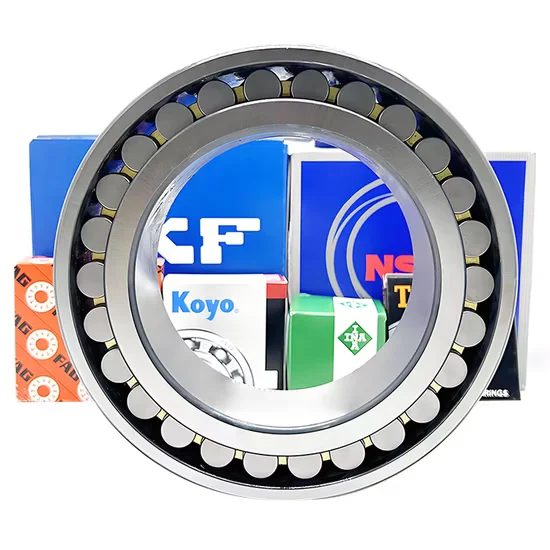
Mixed-batch consolidation services enable facilities to combine orders for different bearing types and brands into a single shipment. This approach reduces shipping costs and simplifies customs clearance. For instance, a plant might need a few SKF deep-groove ball bearings, several FAG cylindrical roller bearings, and a set of KOYO spherical roller bearings. Instead of placing separate orders with multiple suppliers, a consolidated service provides all items in one container. This efficiency is vital for remote sites or facilities with limited logistics resources.
The benefit extends beyond cost savings. It ensures that all components arrive simultaneously, reducing the coordination burden on procurement teams. In urgent scenarios, such as a unexpected breakdown in a mining crusher, the ability to quickly source a mix of genuine parts from a single reliable source is invaluable. This model supports the dynamic needs of industrial operations, where demand fluctuates based on equipment wear and production schedules. By leveraging Koyo stock programs for plants that offer such flexibility, operators can maintain leaner inventories while ensuring high availability of critical spares.
How to match Koyo bearings with specific plant working conditions?
Site-first evaluation before inventory selection ensures that the bearing matches the actual operational stress, not just the catalog specification.
Selecting the right bearing involves more than matching part numbers. It requires an understanding of the working conditions, including load types, speeds, temperatures, and contamination levels. A bearing that performs well in a clean, controlled machine tool environment may fail rapidly in a dusty, high-vibration cement mill. Therefore, the selection process must begin with an assessment of the site-specific工况 (working conditions).
For heavy-load crushers, batch-to-batch consistency is crucial. Variations in material purity or heat treatment can lead to unpredictable performance. By consulting with technical experts who understand these nuances, plants can select bearings that are optimized for their specific applications. This might involve choosing bearings with special cages, enhanced sealing, or specific lubrication requirements. The goal is to extend service life meaningfully and reduce the frequency of replacements.
A Latin American mining operation faced repeated failures in their conveyor pulleys. The initial replacements were standard KOYO bearings, which failed within months due to excessive dust ingress. After a site evaluation, the supplier recommended bearings with enhanced sealing solutions and a higher grade of steel purity. The new components ran substantially longer, reducing maintenance intervals and improving overall equipment effectiveness. This outcome highlights the importance of matching Koyo bearings with specific plant working conditions rather than relying solely on generic stock. Through Koyo stock programs for plants, operators gain access to this level of technical insight, ensuring that every bearing installed is suited for its intended duty.
Conclusion
Authenticity and technical matching outweigh speed in bearing procurement.
Effective Koyo stock programs for plants prioritize traceability, verification, and condition-based selection. By focusing on these elements, industrial operators can minimize downtime and ensure the reliability of their critical machinery.