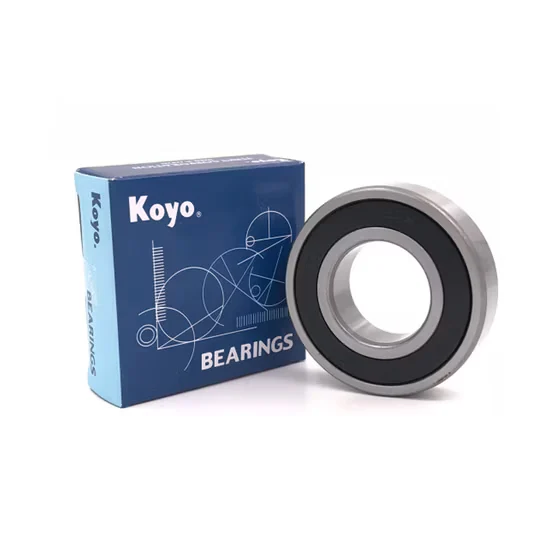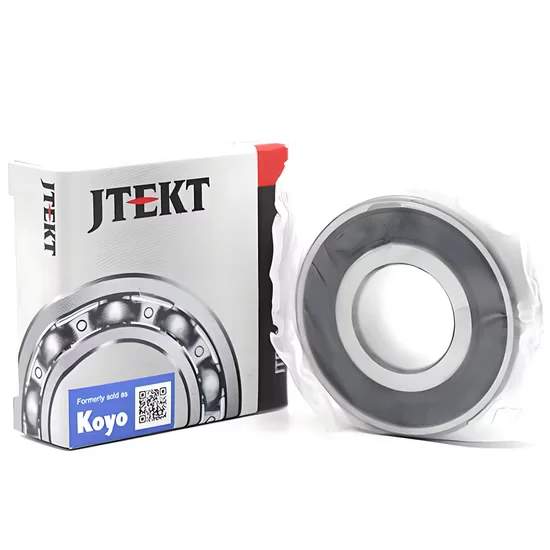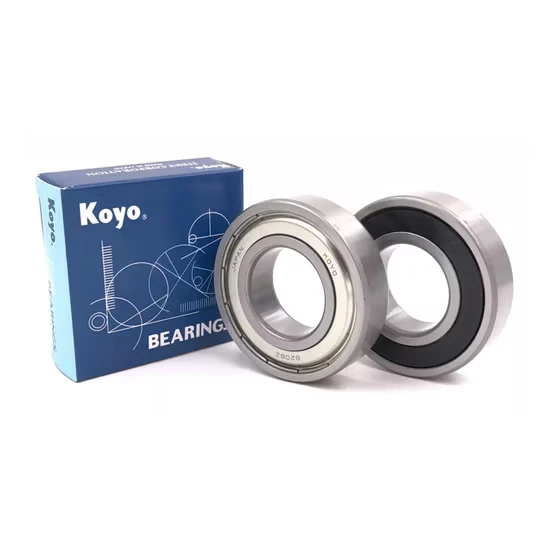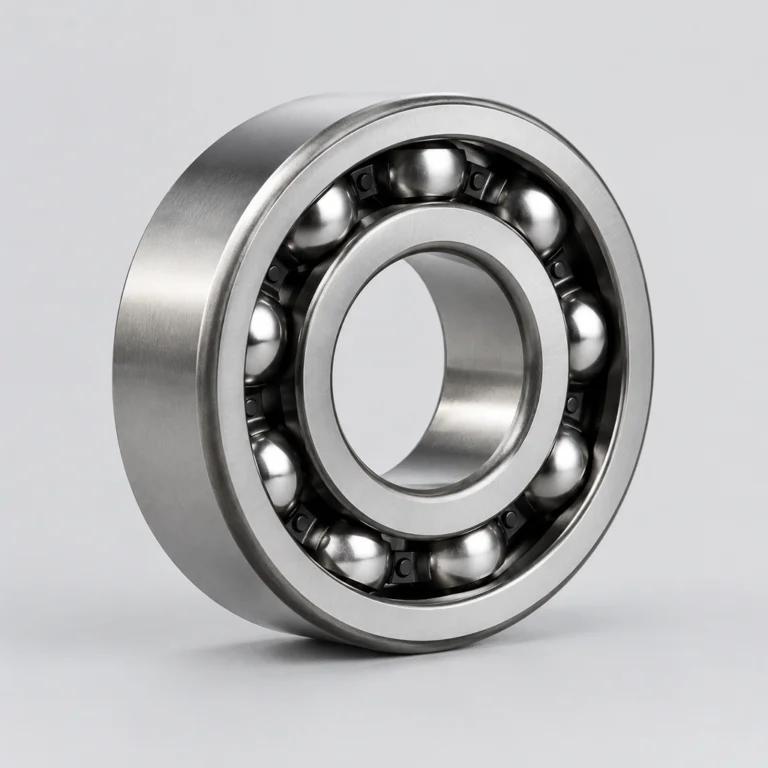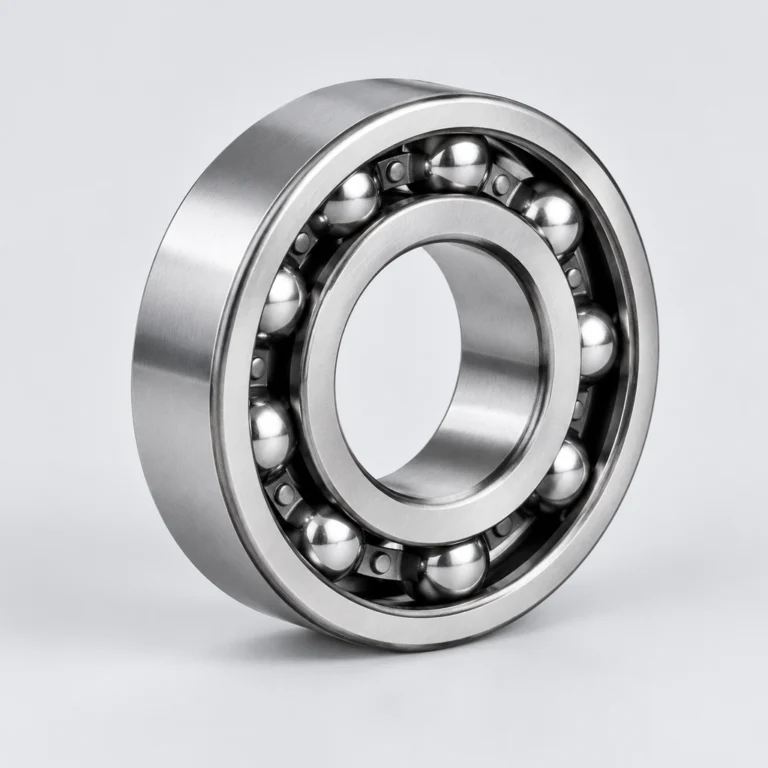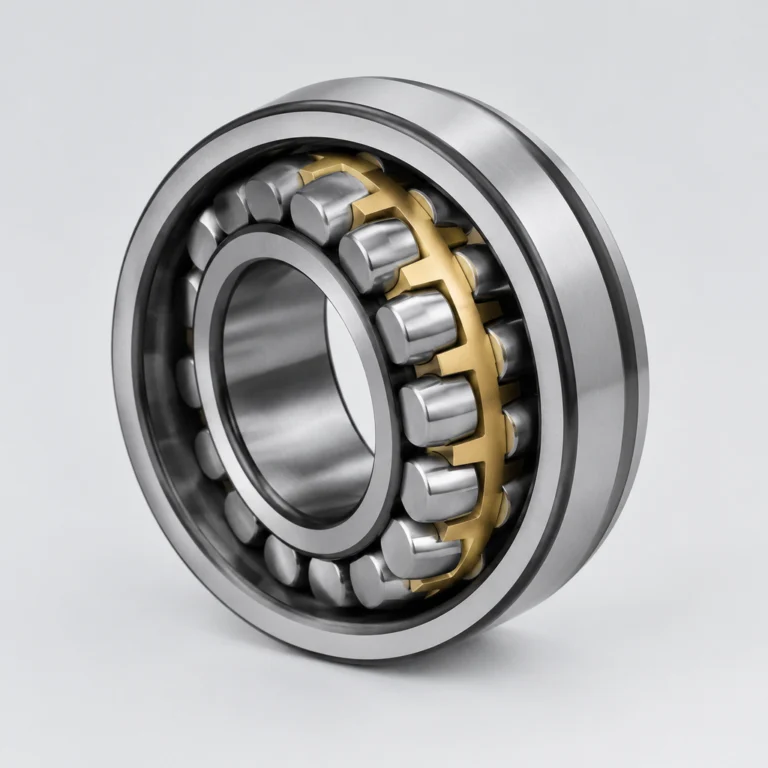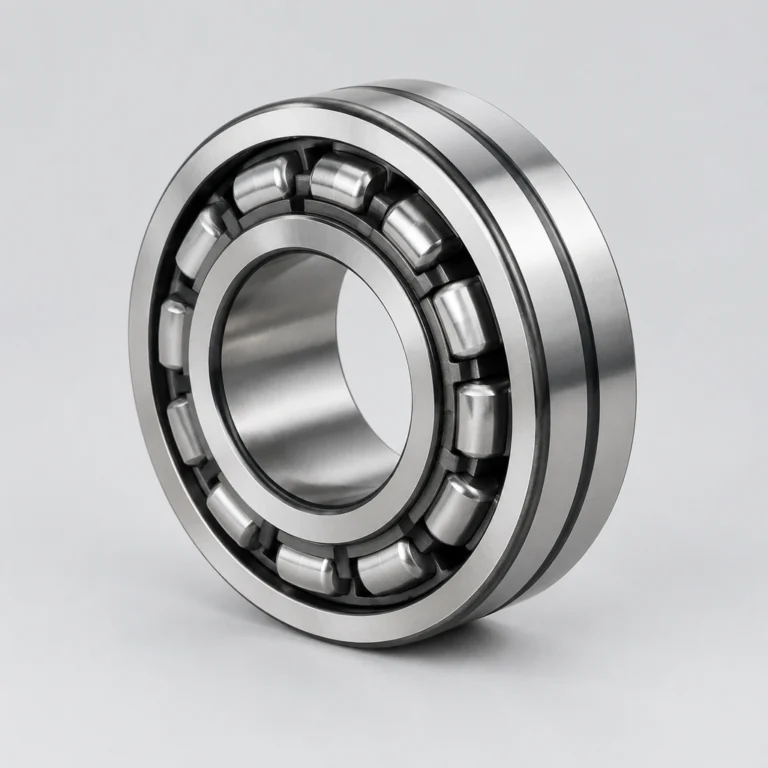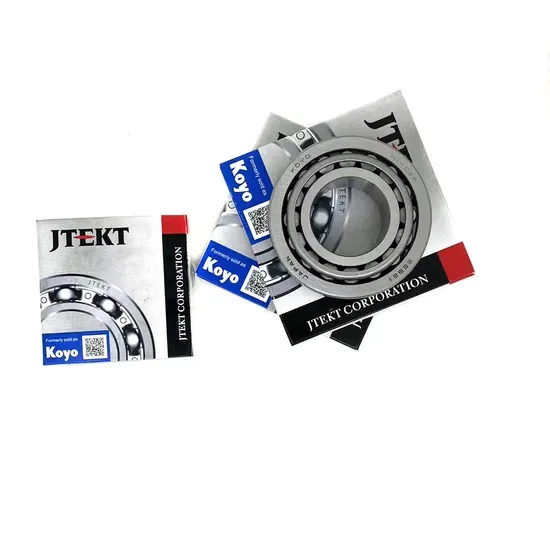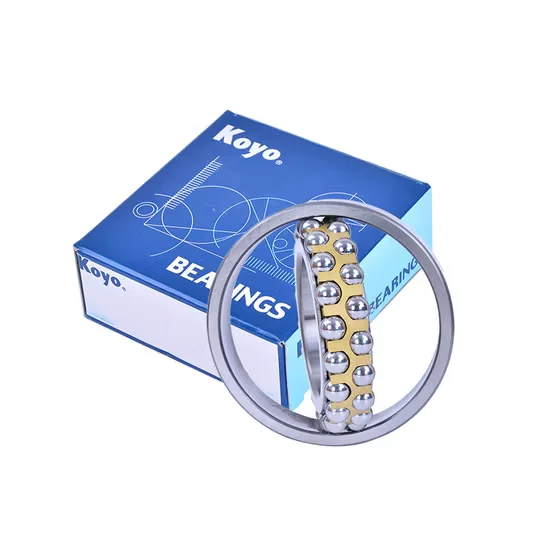
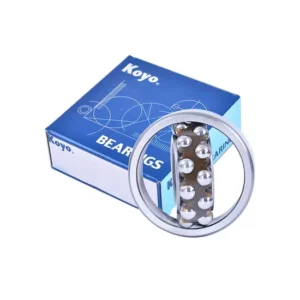
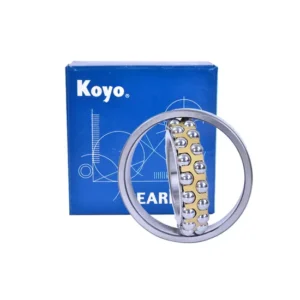
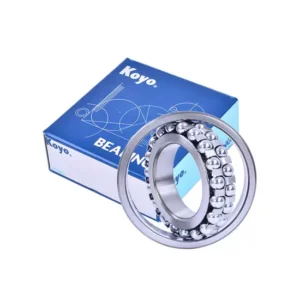
Full-Brand Sourcing Coverage — Consolidate BDL 1200 self aligning ball bearing orders with mixed SKUs from SKF, FAG, and domestic lines in a single shipment without juggling multiple vendors.
Technical Specifications
| Parameter | Value |
|---|---|
| Designation | BDL 1200 |
| Bearing Type | Self Aligning Ball Bearing |
| Row Arrangement | Double |
| Load Direction | Radial |
| Material | Bearing Steel |
| Cage Material | Steel Cage or Brass Cage |
| Clearance Class | C0, C3, C4 |
| Precision Class | P0, P6, P5, P4, P2 |
| Lubrication | Grease or Oil |
| Separated | Unseparated |
| Aligning Feature | Aligning Bearing |
Application Suitability
| Industry | Typical Applications |
|---|---|
| Textile Machinery | Yarn guide rollers and tensioning units |
| Conveyors | Belt return idlers and misaligned transfer points |
| Agricultural Machinery | Harrow discs and seed metering shafts |
| General Manufacturing | Line shafting and industrial fan assemblies |
Why Ignoring Cage Suffixes Destroys the BDL 1200 Self Aligning Ball Bearing
Default cage assumptions cause early fractures under shock loads.
When sourcing replacements for agricultural or conveyor equipment, buyers often focus solely on the basic bore and outer diameter, ignoring internal configurations. I once saw a production line halt because a standard stamped steel cage was installed in a high-shock harrow application where a machined brass cage was strictly required. Overlooking these subtle configuration details leads to catastrophic cage fragmentation and secondary shaft damage. Procurement teams must look beyond the basic designation to prevent these costly field failures.
Matching Radial Loads and Shaft Misalignment
The BDL 1200 self aligning ball bearing excels in environments where shaft deflection or housing misalignment is completely unavoidable. Its double-row design and spherical outer ring raceway allow the inner ring to pivot freely, preventing destructive edge loading on the rolling elements. We frequently supply this exact configuration to MRO teams and maintenance engineers who need reliable cross-brand equivalents without compromising traceability. By accommodating angular errors, this bearing type significantly reduces the maintenance burden on line shafting and industrial fan assemblies.
Navigating Contamination and Shock in Agricultural Settings
Agricultural and conveyor environments subject bearings to heavy radial shocks, severe vibrations, and abrasive dust ingress. Open bearing designs require rigorous external lubrication schedules to flush out contaminants, while the choice between grease and oil depends heavily on operational speeds and ambient temperatures. Furthermore, thermal expansion from friction or environmental heat dictates whether standard C0 or expanded C3 and C4 clearances are necessary to prevent internal preload. Ignoring these environmental factors accelerates wear and compromises the structural integrity of the bearing steel.
Decoding Precision, Clearance, and Cage Options
Since the BDL 1200 designation lacks a specific suffix in this context, verifying the exact cage material and clearance class is absolutely critical before finalizing procurement. A stamped steel cage offers low friction for high-speed, low-vibration applications, whereas a machined brass cage provides superior durability under heavy shock loads and marginal lubrication conditions. Selecting the appropriate precision grade—from standard P0 up to P2—ensures the running accuracy matches the vibration sensitivity of your specific textile or manufacturing machinery. Making the right selection here dictates the operational lifespan of the component.
The Financial Drain of Premature Cage Failures
Installing a bearing with inadequate clearance or the wrong cage material inevitably triggers unplanned downtime, catastrophic equipment damage, and secondary shaft scoring. According to ISO 281 life calculation frameworks, operating a bearing under unintended internal stress drastically reduces its fatigue life and reliability. This cascades into warranty voidance and expensive emergency replacements, proving that upfront technical verification is far cheaper than reactive maintenance. Addressing these hidden costs requires a disciplined approach to specification matching before the component ever reaches the maintenance shop.
Securing Traceability and Technical Accuracy
We prevent the exact cage-material mismatches that cause field failures by verifying every BDL 1200 self aligning ball bearing against manufacturer specifications before dispatch. Our engineering team provides detailed cross-reference consultations to ensure the selected clearance and cage type match your OEM requirements, even when mixing BDL with international brands in a single order. Furthermore, our flexible consolidation shipping allows you to order single emergency spares or full container loads without facing artificial minimum order barriers, ensuring your maintenance schedule is never compromised by supply chain rigidities.
Documentation & Authenticity
- Certificate of Conformity verifying genuine BDL origin, material grade, and manufacturing batch for full traceability.
- Batch traceability records linking the specific BDL 1200 to its original production run and quality control checkpoints.
- Dimensional inspection reports confirming P0 to P2 tolerance compliance and verifying the spherical raceway geometry.
- Material certification detailing the bearing steel chemical composition to ensure adequate hardness and fatigue resistance.
- Official app QR verification codes where applicable, allowing immediate validation of the product upon delivery.
Storage, Handling & Mounting
- Store the unseparated BDL 1200 in its original anti-corrosion packaging until immediate mounting to preserve factory rust inhibitors and prevent moisture ingress.
- Use induction heaters for cylindrical bore mounting, strictly avoiding direct flame to prevent altering the bearing steel hardness and compromising structural integrity.
- Maintain strict cleanliness when handling open variants to prevent abrasive dust from embedding in the grease or oil lubricant during the installation process.
- Verify the selected C3 or C4 clearance is maintained after press-fitting the inner ring onto the shaft to avoid unintended internal preload.
- Keep the bearing away from heavy vibrations during storage to prevent false brinelling on the raceway surfaces before commissioning.
Engineering Review and Selection Support
To ensure optimal performance and avoid premature failures, share your specific radial loads, operational speeds, and ambient temperature profiles with our technical team. Providing the exact OEM equipment model numbers allows us to perform precise cross-reference checks and confirm whether a steel or brass cage is required for your specific application. This collaborative verification process guarantees that the final configuration perfectly aligns with your operational demands and environmental constraints.
Frequently Asked Questions
Q: How do I verify the exact cage material when no suffix is present on the BDL 1200?
A: Without a specific suffix, the default cage is typically stamped steel, but this varies by manufacturer batch. We verify the exact cage material against the factory production records and provide dimensional inspection reports. Always confirm your operational shock load requirements with our engineering team to ensure a brass cage is supplied if needed.
Q: What are the standard dimensions for a 1200 self-aligning bearing, and how do we handle catalog discrepancies?
A: The standard 1200 series features a 10 mm bore, 30 mm outer diameter, and 9 mm width. If you encounter conflicting dimension data in third-party catalogs, our technical team cross-references the physical measurements against official manufacturer drawings to guarantee the BDL 1200 self aligning ball bearing fits your housing perfectly.
Q: When should I specify C3 or C4 clearance instead of standard C0 for this bearing?
A: Expanded clearances like C3 or C4 are essential when the inner ring runs hotter than the outer ring, or when heavy press-fits reduce internal play. In agricultural or conveyor applications with high ambient heat or tight shaft tolerances, specifying larger clearance prevents the bearing from seizing under thermal expansion.
Q: How does the double-row design affect misalignment tolerance compared to single-row variants?
A: The spherical outer ring raceway allows the inner ring and ball assembly to align freely with the outer ring. This double-row configuration accommodates significant angular misalignment caused by shaft deflection or housing machining errors, protecting the rolling elements from destructive edge loading and premature fatigue.