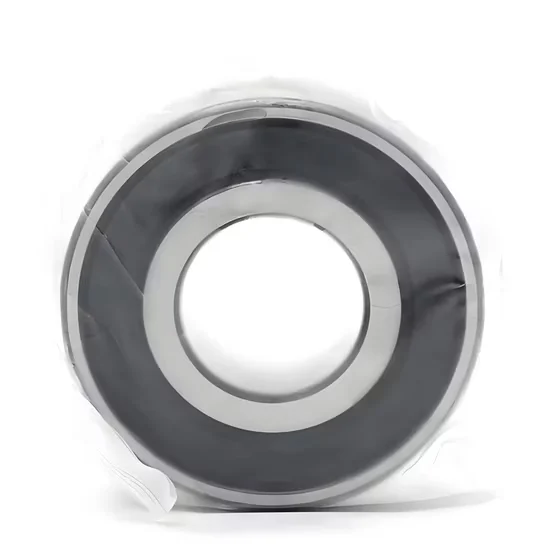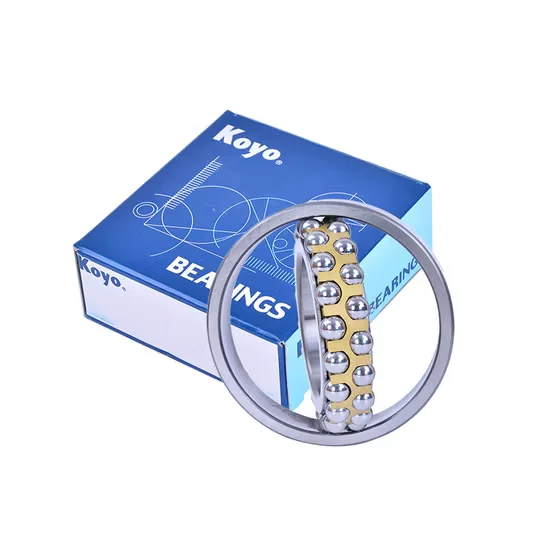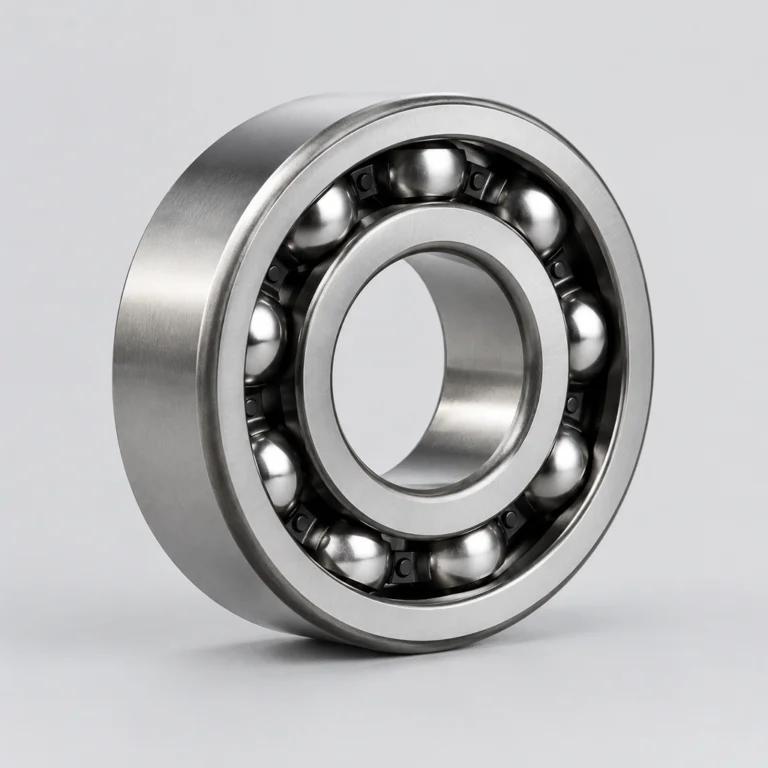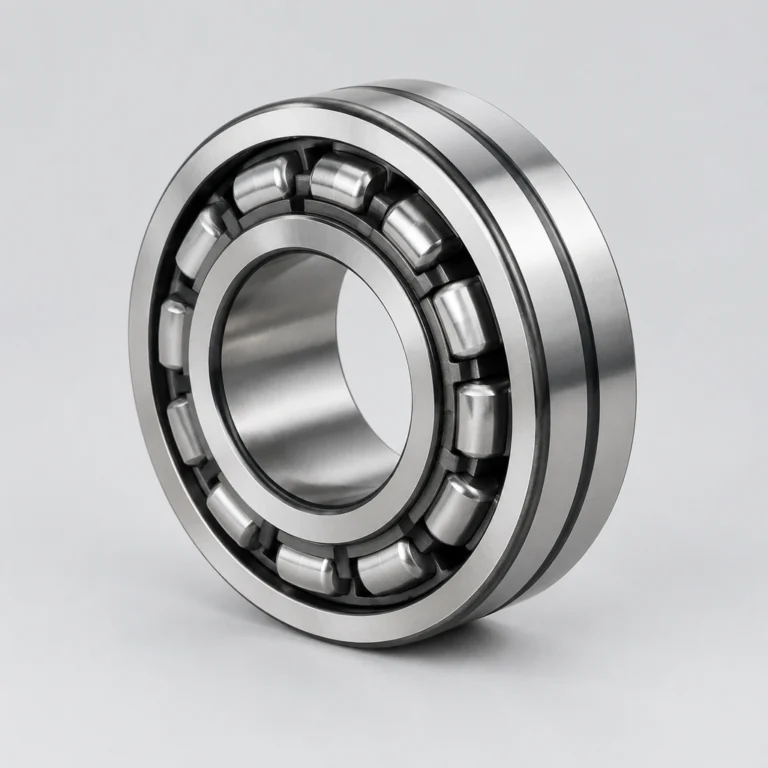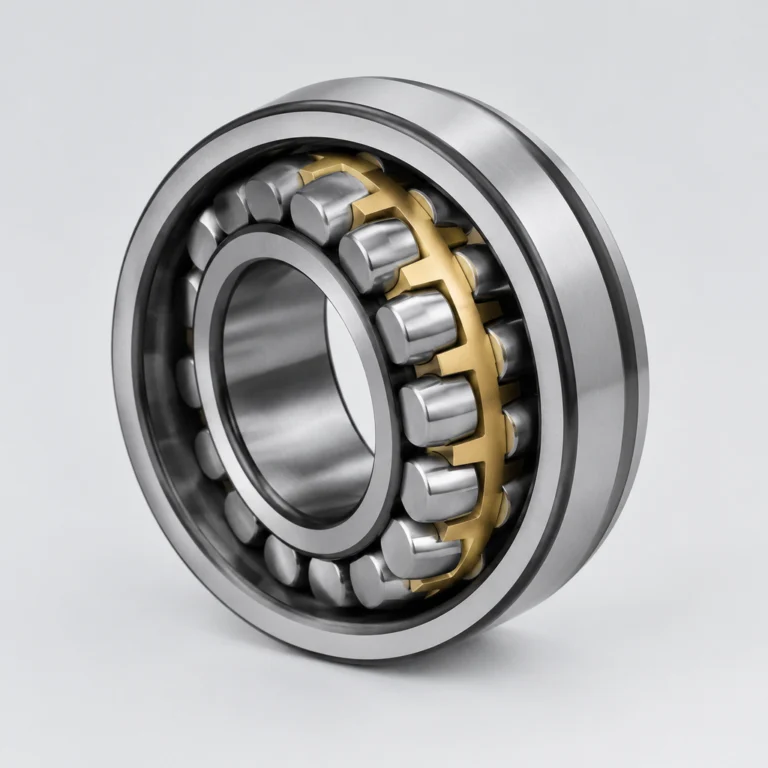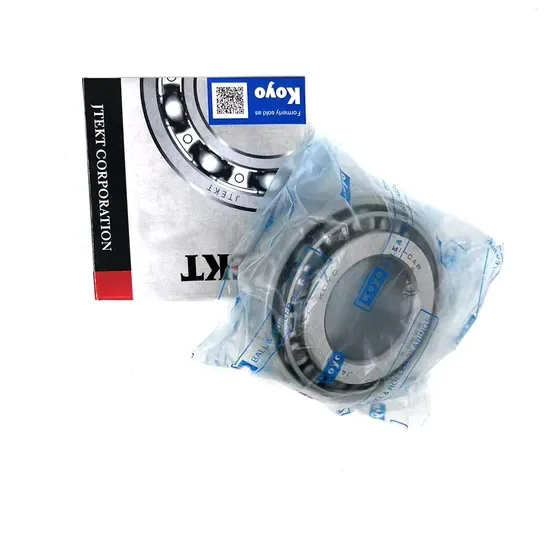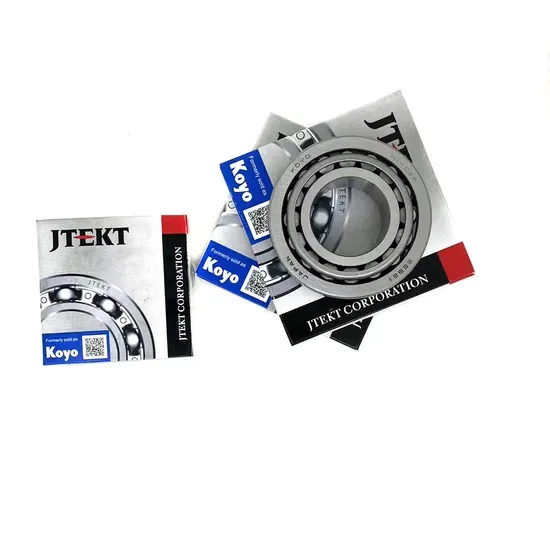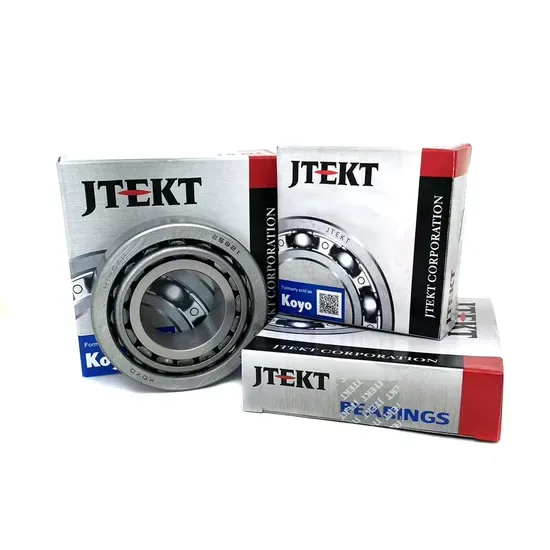

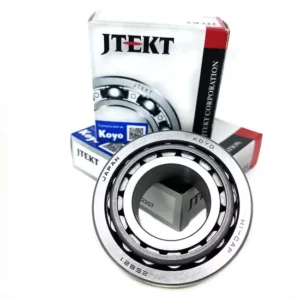


Multi-Brand Sourcing Consolidated — Procure genuine Koyo and domestic equivalents in a single mixed-size shipment without juggling multiple vendors.
Technical Specifications
| Parameter | Value |
|---|---|
| Designation | 32306 33108 33109 32210 33207 30308 33010 30211 33 |
| Bearing Type | Tapered Roller Bearing |
| Clearance Class | C0 / C2 / C3 / C4 |
| Rolling Body | Roller Bearings |
| Specification | Standard size |
| Origin | Shandong, China |
| Certification | ISO9001, CE |
Application Suitability
| Industry | Typical Applications |
|---|---|
| Automotive & Heavy Transport | Wheel hubs and truck axles requiring combined load capacity |
| Industrial Manufacturing | Heavy-duty gearboxes transmitting high torque |
| Marine & Offshore | Marine drives exposed to continuous rotational stress |
| Machinery Maintenance | Replacement assemblies for manufacturing plant equipment |
Why Standard Clearance Fails in High-Heat Gearboxes for the Koyo 32306 tapered roller bearing
Thermal expansion eliminates internal clearance, causing roller seizure under continuous heavy loads.
During extensive field failure analysis across Middle Eastern transport fleets, standard clearance bearings frequently locked up inside heavy-duty transmissions. The extreme ambient heat, combined with intense operational friction, rapidly expanded the inner ring. This thermal growth crushed the rolling elements against the raceway, resulting in catastrophic mechanical binding. Selecting the correct Koyo 32306 tapered roller bearing requires anticipating these severe thermal shifts rather than relying on default catalog assumptions. Engineers must account for the specific heat generation of the gearbox and the dissipation capacity of the housing to prevent destructive internal preload.

Aligning Tapered Geometries with Combined Load Demands
The conical raceway design inherently manages both radial and axial forces simultaneously, making it indispensable for drivetrain applications. When specifying a Koyo 32306 tapered roller bearing for truck axles or industrial gearboxes, the contact angle must align precisely with the specific thrust-to-radial load ratio of the machinery. Our engineering team cross-references dimensional drawings and load ratings to ensure the selected series matches the exact housing constraints and load vectors of your OEM assemblies. By analyzing the operational forces, we prevent the edge loading that typically destroys misapplied components in heavy transport and marine drive systems.
Managing Thermal and Contamination Extremes in Drivetrains
Heavy-equipment drivetrains subject tapered roller bearings to severe shock loads, intense vibrations, and wildly fluctuating temperatures. At elevated temperatures, standard internal clearances shrink dangerously, while inadequate sealing allows abrasive grit to score the precision-ground raceways. Proper lubrication intervals and selecting the appropriate clearance class are absolutely critical to prevent micro-pitting and spalling under continuous stress. Furthermore, misalignment during installation introduces edge loading that drastically reduces operational lifespan and accelerates fatigue. Managing these environmental extremes requires a comprehensive understanding of how thermal dynamics interact with the internal geometry and lubrication film thickness.
Decoding Clearance and Cage Configurations
Internal clearance dictates how the bearing behaves once it reaches its steady-state operating temperature. A C3 or C4 clearance provides the necessary thermal expansion room for high-speed gearboxes, preventing the catastrophic seizure frequently seen in standard C0 setups when subjected to heavy friction. The cage material, typically pressed steel or machined brass, governs the component's ability to withstand intense vibration and maintain precise roller spacing under heavy axial thrust. Standard size specifications ensure direct drop-in compatibility with existing housings, while ISO9001 and CE certifications validate the manufacturing consistency across the entire production batch. Understanding these internal configurations allows maintenance teams to predict service intervals more accurately and avoid unexpected breakdowns.

The Cascading Impact of Mismatched Internal Clearances
Installing a standard clearance bearing in a high-heat application inevitably leads to rapid thermal expansion and immediate roller skidding. This premature failure triggers extensive unplanned downtime, secondary damage to adjacent shafts and seals, and complete warranty voidance for the entire assembly. According to established failure analysis frameworks, a significant share of premature failures stems directly from ignoring the thermal dynamics of the operating environment rather than inherent material defects. The financial impact extends far beyond the replacement part, encompassing lost production hours, heavy equipment towing, and complex teardown procedures.
Engineering Verification Beyond the Catalog
Sourcing genuine components requires significantly more than just matching a basic part number on a purchase order. We verify the exact clearance suffix and cage design for every Koyo 32306 tapered roller bearing to prevent the mismatched installations that consistently plague emergency maintenance replacements. Our massive spot inventory covers thousands of standard part numbers, allowing flexible mixed-brand consolidation for complex bulk projects and urgent MRO requirements. We provide complete traceability documentation and dedicated cross-reference support to ensure the selected geometry perfectly aligns with your specific heavy-duty application, eliminating the guesswork that leads to repeated field failures.
Documentation & Authenticity
- Certificate of Conformity verifying ISO9001 compliance for the specific shipment batch.
- Original manufacturer batch traceability codes linking the bearing to its production run.
- Dimensional inspection reports confirming standard size tolerances before dispatch.
- Material certification validating the metallurgical composition of the rings and rollers.
- Origin documentation required for customs clearance in international heavy-equipment projects.
Storage, Handling & Mounting
- Retain original packaging to protect the C3/C4 clearance surfaces from ambient humidity and corrosion.
- Use induction heating for mounting, avoiding open flames that could alter the heat treatment of the rollers.
- Keep matched cone and cup assemblies together; separating them risks contaminating the precision ground raceways.
- Apply clean gloves during handling to prevent acidic sweat from etching the standard size bearing surfaces.
- Verify the shaft and housing tolerances match the selected clearance class before pressing the inner ring.
Technical Data Required for Precision Selection
To ensure optimal lifespan and prevent thermal seizure in demanding environments, please share your specific radial and axial load calculations, operating temperature ranges, and exact rotational speeds. Providing the OEM equipment model numbers allows our engineering team to perform thorough cross-reference verification and confirm the correct clearance class for your specific machinery. This detailed technical review guarantees the proposed configuration aligns perfectly with your drivetrain requirements, delivering a reliable solution that withstands the harsh realities of heavy-equipment operation without compromising structural integrity.
Frequently Asked Questions
Q: How do I select the correct clearance class for high-temperature gearbox applications?
A: In high-heat environments, thermal expansion reduces internal clearance. Selecting a C3 or C4 class provides the necessary expansion room to prevent roller seizure. We analyze your specific operating temperatures and load conditions to recommend the exact clearance suffix, ensuring the bearing maintains optimal internal geometry during continuous heavy-duty operation.
Q: What cross-reference considerations apply when replacing standard series with wider taper angles?
A: Switching to a steeper contact angle increases axial load capacity but alters the internal load distribution. We cross-reference dimensional drawings and load ratings against official catalogs to ensure the replacement fits the existing housing. Our engineering team verifies the geometric compatibility to prevent edge loading and premature raceway wear in your specific assembly.
Q: How can I verify the authenticity and traceability of the supplied components?
A: Every shipment includes a Certificate of Conformity and original manufacturer batch traceability codes. We provide dimensional and material inspection reports to validate the metallurgical composition and standard size tolerances. This comprehensive documentation ensures complete supply chain transparency and protects your heavy-equipment maintenance programs from counterfeit or substandard replacements.
Q: What installation methods are recommended to preserve the internal geometry during mounting?
A: Induction heating is the preferred method for mounting the inner ring, ensuring uniform thermal expansion without damaging the cage or rollers. Avoid localized heating or mechanical force that could skew the ring on the shaft. Proper installation preserves the specified clearance class and prevents misalignment that leads to premature failure under heavy axial thrust.