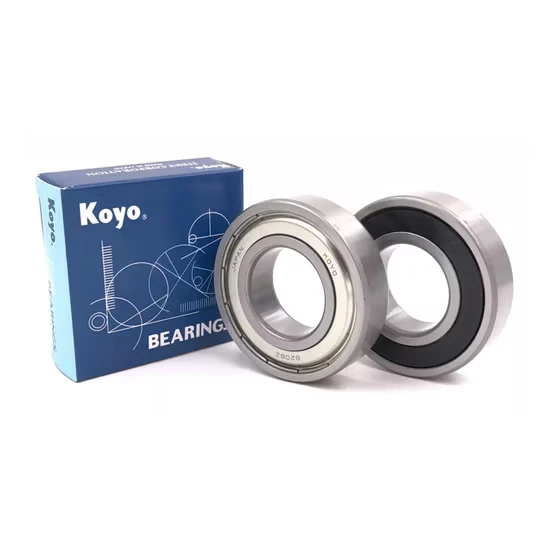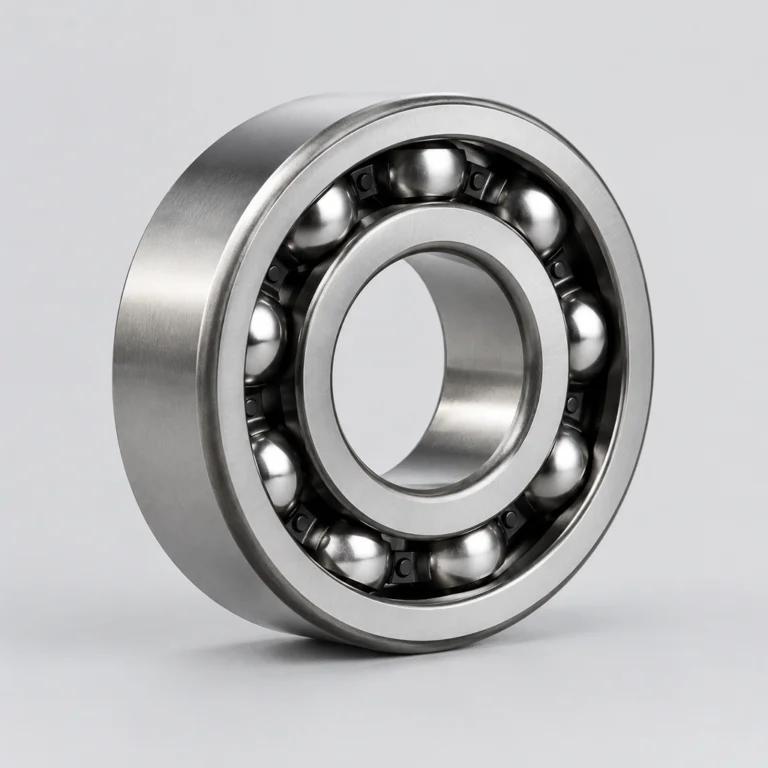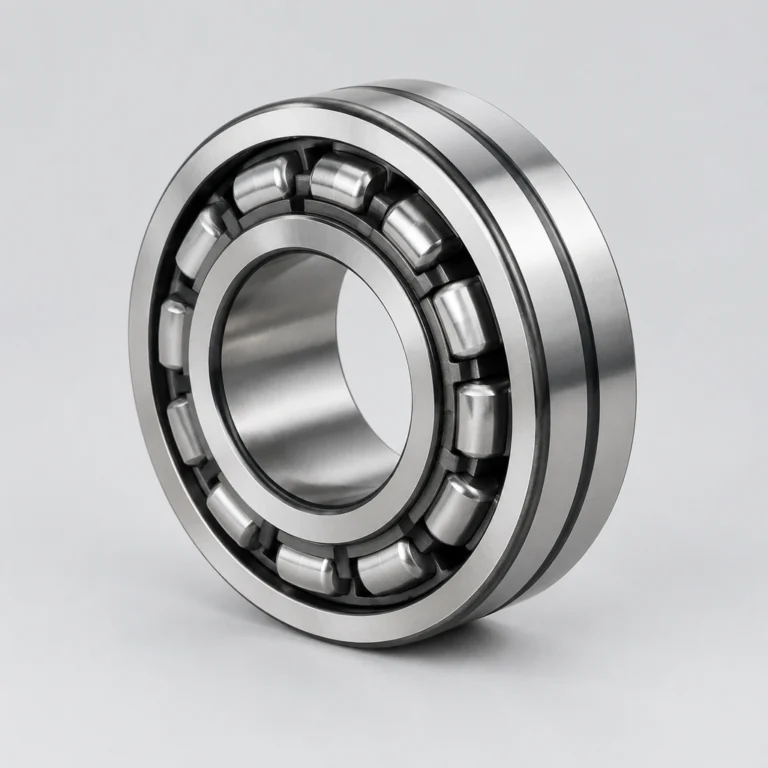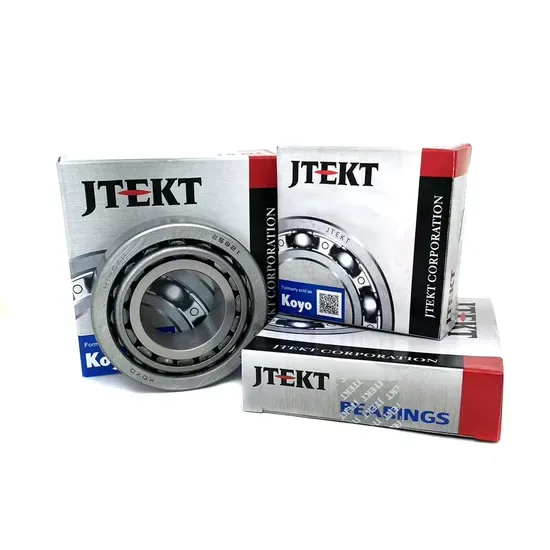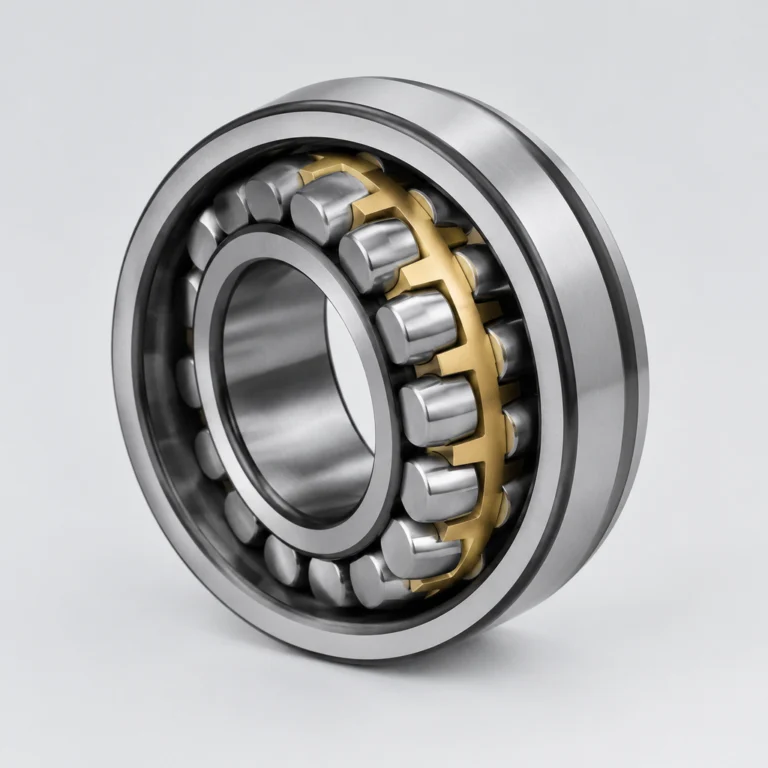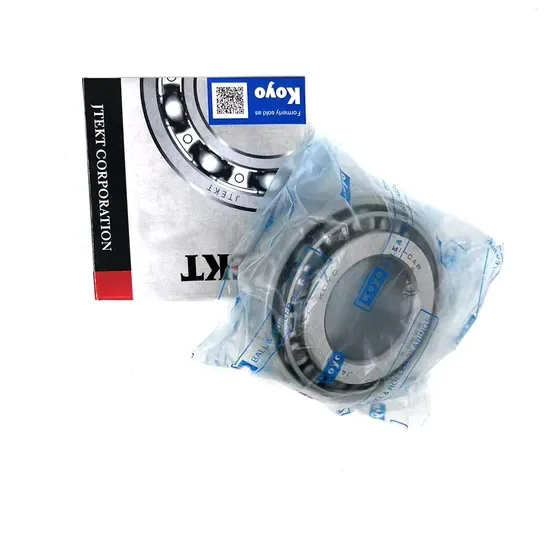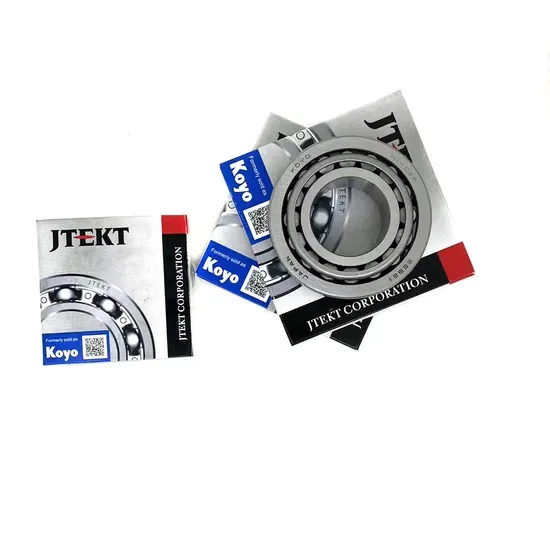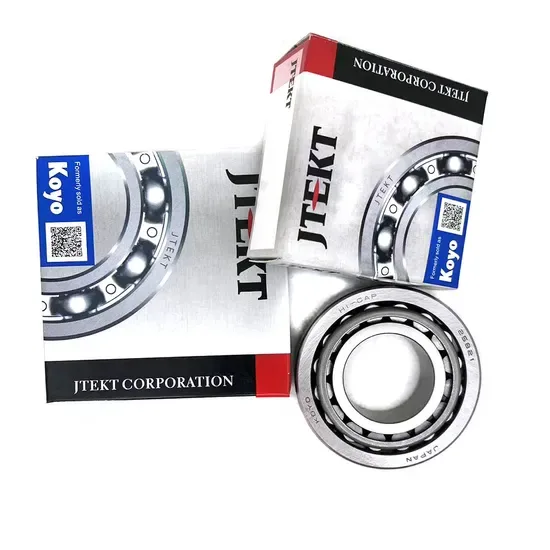
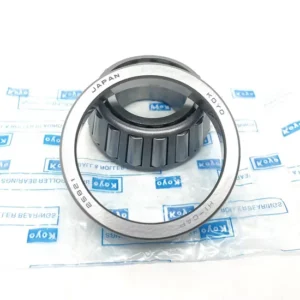
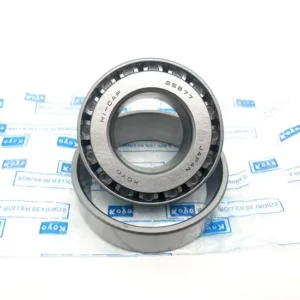
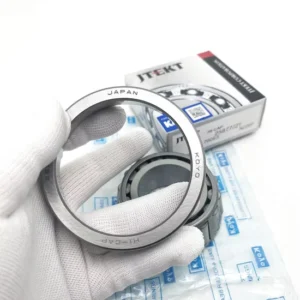
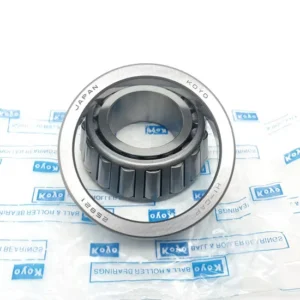
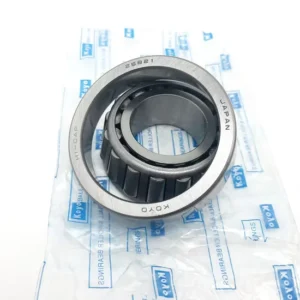
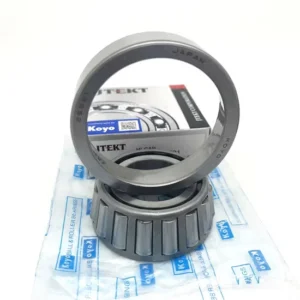
Cross-Reference Triad Alignment — verifying dimensional, metallurgical, and clearance equivalency across global catalogs for these specific truck hub models.
Technical Specifications
| Parameter | Value |
|---|---|
| Designation | 30303 30304 30305 30306 30307 30308 |
| Bearing Type | Tapered Roller Bearing |
| Material | Available in Chrome Steel Gcr15 variants |
| Hardness | HRC58-62 |
| Clearance Class | C0 / C2 / C3 / C4 options |
| Lubrication | Grease or Oil compatible |
| Origin | Shandong, China |
Application Suitability
| Industry | Typical Applications |
|---|---|
| Commercial Fleets | Heavy-duty truck axles and wheel hub assemblies |
| Automotive Repair | Wheel bearing replacement for light and medium trucks |
| Industrial Manufacturing | Power transmission shafts in general manufacturing plants |
| Heavy Machinery | Gearbox support and machinery repair shop overhaul kits |
Why Ignoring Clearance Tolerances Destroys Truck Wheel Hubs
When sourcing a 30303 30304 30305 30306 30307 30308 tapered roller bearing for truck applications, assuming basic dimensional equivalence is enough will eventually lead to catastrophic hub lockups on steep downgrades.
Thermal expansion under heavy braking demands exact clearance matching, not just basic size interchangeability.
Early in my career, a batch of truck hub bearings matched perfectly on paper but failed to account for internal clearance variations under extreme axial loads. The resulting friction heat caused the rollers to seize completely, turning a routine maintenance stop into a roadside emergency. Fleet operators cannot afford to gamble on unverified internal geometries when heavy payloads are involved.
Matching Tapered Geometries to Axle Load Profiles
These specific models handle the combined radial and thrust loads inherent in commercial vehicle axles. The tapered raceway design ensures that load lines intersect at a common apex on the bearing axis, minimizing skidding. Procuring the correct 30303 30304 30305 30306 30307 30308 tapered roller bearing for truck fleets requires verifying that the contact angle aligns with the specific axle housing design. Our engineering team cross-checks these geometric profiles against OEM specifications to prevent premature edge loading.
Thermal and Lubrication Challenges in Heavy Hauling
Truck wheel hubs endure drastic temperature fluctuations, especially during prolonged downhill braking where heat transfers directly into the bearing cavity. This thermal spike alters the internal clearance, making the initial factory setting critical for survival. Lubrication selection between grease and oil depends entirely on the hub seal design and maintenance intervals. Oil baths provide better heat dissipation for continuous highway running, while grease packs suit stop-and-go urban delivery routes. Contaminant ingress from road spray further complicates the sealing requirements.
Decoding the Core Material and Clearance Specs
The availability of Chrome Steel Gcr15 variants provides the necessary core hardness to resist spalling under high contact stress. Achieving the specified hardness range ensures the rolling elements can withstand repetitive impact loads without plastic deformation. Clearance options spanning C0 through C4 allow maintenance teams to compensate for different press-fit interference levels in the hub and knuckle. Selecting a tighter clearance might work for a loose housing fit, but a heavy interference fit demands a larger initial internal gap to prevent operational preload. Proper lubrication compatibility ensures the chosen grease or oil maintains its film thickness at operational temperatures.
The Hidden Costs of Incorrect Hub Bearing Selection
Installing a dimensionally correct but internally mismatched component leads to unplanned downtime and secondary damage to the axle spindle. When internal clearance collapses under thermal expansion, the resulting friction generates excessive heat, ultimately destroying the seal and contaminating the brake system. This cascade of failures often voids the vehicle warranty and necessitates complete hub assembly replacement rather than a simple bearing swap. Adhering to the load rating calculation methods outlined in ISO 281 prevents these costly miscalculations during the initial specification phase.
Why Procurement Teams Trust Our Sourcing Protocol
We do not just ship boxes; we verify the exact internal geometry of every unit before it leaves the warehouse. Having experienced the devastating consequences of ignoring clearance suffixes on truck hub orders, I personally enforce strict traceability checks on these tapered models. Our cross-brand equivalent model consultation ensures you receive the exact operational clearance required, even if the original brand is on backorder. We provide complete traceability documentation for every shipment, eliminating the risk of counterfeit or substandard metallurgical substitutes. Flexible consolidation shipping allows you to mix these truck hub sizes with other MRO requirements in a single container.
Documentation & Authenticity
- Material test reports confirming Gcr15 chemical composition for these specific truck hub models.
- Dimensional inspection logs verifying taper angle and bore tolerances before dispatch.
- Original batch traceability codes linking each bearing to its heat treatment furnace run.
- Hardness certification confirming the specified range on inner and outer rings.
Storage, Handling & Mounting
- Store these tapered models in original anti-corrosion packaging until the exact moment of hub assembly.
- Use induction heaters for inner ring mounting to avoid damaging the Gcr15 raceway surfaces.
- Adjust the axle nut preload carefully to achieve the specified endplay for different clearance variants.
- Apply clean gloves during handling to prevent acidic sweat from etching the polished roller surfaces.
- Ensure the hub cavity is completely flushed of old debris before packing with fresh grease or oil.
Requesting Technical Verification for Your Fleet
To ensure the selected models perfectly match your specific axle configurations, please provide the exact OEM part numbers and hub housing dimensions. Sharing the typical payload weights and operating temperature ranges allows our team to verify the internal clearance requirements. We will then supply a detailed cross-reference report confirming dimensional and metallurgical equivalency for your maintenance schedule.
Frequently Asked Questions
Q: How do I choose the right internal clearance for truck wheel hub applications?
A: The correct clearance depends on the press-fit interference of the hub and knuckle, plus the expected operating temperature. Heavy interference fits require larger initial clearances to prevent operational binding when the hub expands under braking heat. Always consult the axle manufacturer's endplay specifications rather than assuming a standard clearance will suffice for heavy-duty truck applications.
Q: What are the cross-reference equivalents for these specific tapered models?
A: These basic designations cross-reference to multiple premium global brands, but exact equivalency requires verifying the internal geometry and cage design. We provide a detailed cross-reference report that aligns dimensional tolerances, material grades, and load ratings. This ensures the replacement unit performs identically to the original equipment without risking premature failure due to subtle engineering differences.
Q: Is grease or oil lubrication better for heavy-duty truck axles using these bearings?
A: Oil bath systems generally offer superior heat dissipation for continuous highway cruising, keeping the internal temperatures stable. Grease lubrication is often preferred for urban delivery fleets due to simpler sealing requirements and lower maintenance frequency. The choice ultimately depends on the specific hub seal design and the fleet's established maintenance intervals.
Q: How can I verify the material grade of the received bearings?
A: Every shipment includes material test reports confirming the chemical composition of the Chrome Steel Gcr15 used in production. You can also request hardness certification verifying the specified range on the rolling elements and raceways. For critical fleet applications, we can arrange third-party metallurgical testing to provide absolute confidence in the material integrity.