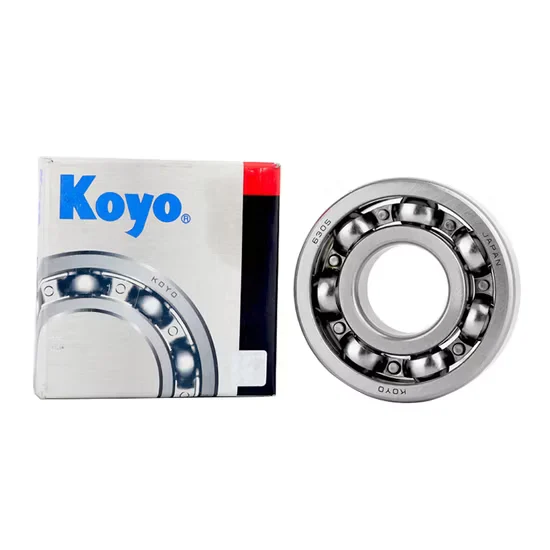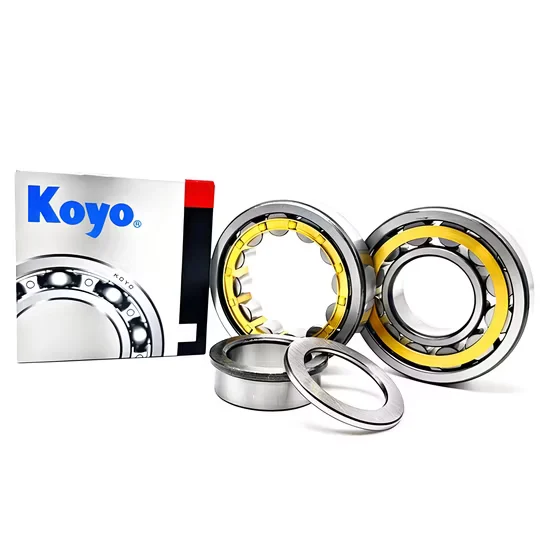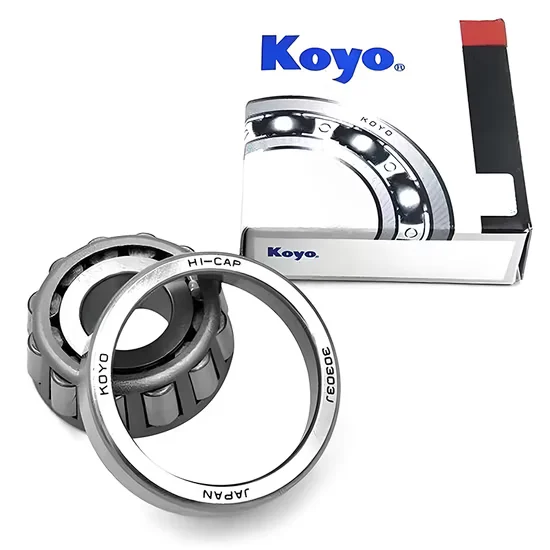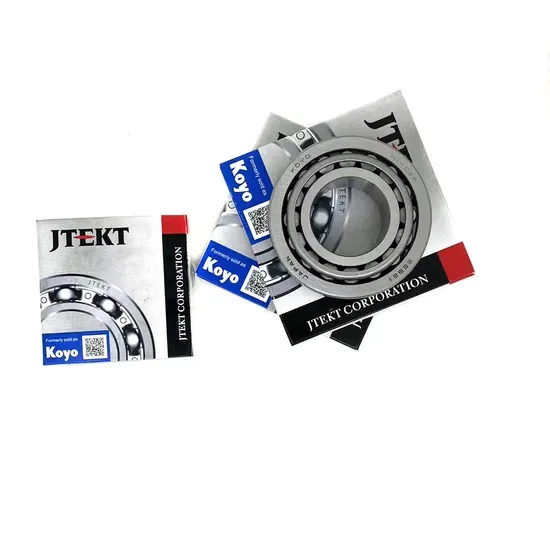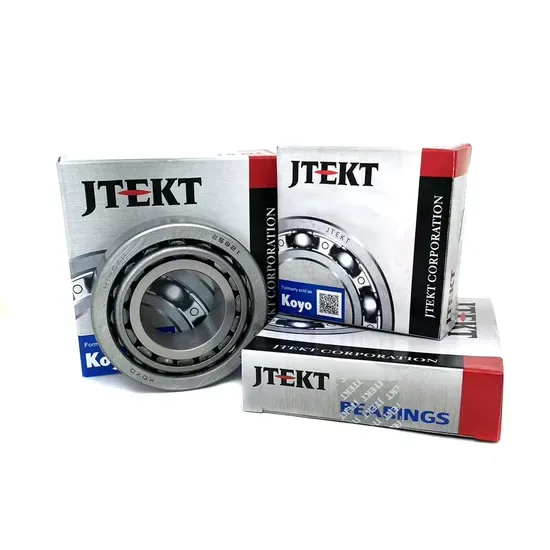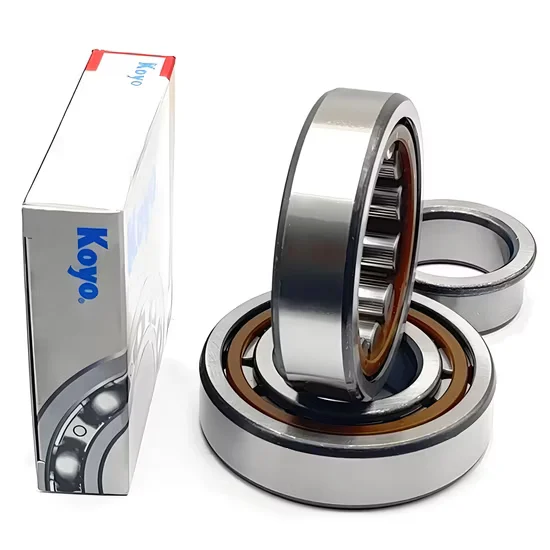
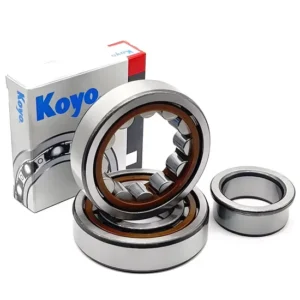
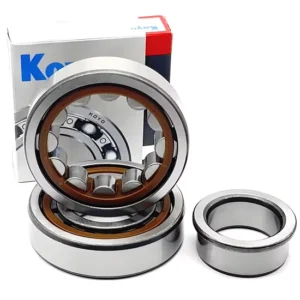
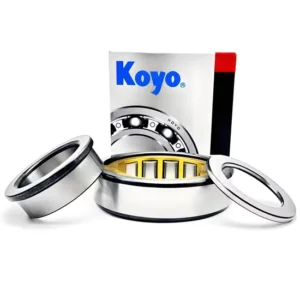
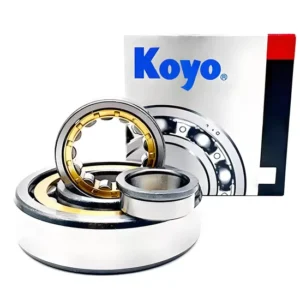
Authentic Koyo Verification — Scan the official QR code on the N406E packaging to instantly confirm Japanese origin and batch traceability.
Technical Specifications
| Parameter | Value |
|---|---|
| Designation | Koyo N406E |
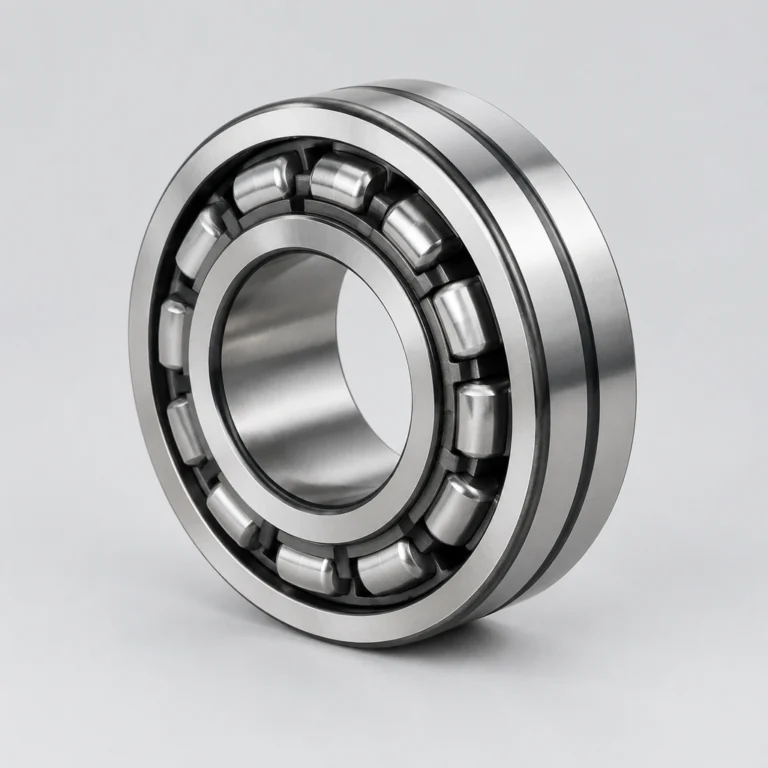
| Bearing Type | Cylindrical Roller Bearing |
| Bore Diameter (d) | 30 mm |
| Outside Diameter (D) | 90 mm |
| Width (B) | 23 mm |
| Material | Bearing Steel |
| Seal or Shield Type | Open |
| Precision Class | P0 P6 P5 P4 P2 |
| Arrangement | Single Row |
| Origin | Japan |
Application Suitability
| Industry | Typical Applications |
|---|---|
| Heavy-duty gearboxes | Main shaft radial support |
| Rolling mills | Work roll and backup roll necks |
| Traction motors | Rotor shaft radial positioning |
Why Standard Cages Shatter Before the Koyo N406E Cylindrical Roller Bearing Reaches Its Fatigue Limit
Mismatched cage materials in high-vibration environments cause catastrophic structural failure long before the rolling elements fatigue.
When analyzing field failures in steel mills and heavy industrial plants, I frequently observed premature cage fragmentation that completely halted production lines. A significant share of these breakdowns stems from selecting pressed steel cages for high-vibration rolling mill applications instead of machined brass alternatives. This misalignment triggers rapid structural degradation under continuous shock loading. The resulting metal debris contaminates the lubricant, accelerating wear across the entire gearbox assembly and leading to unplanned downtime that severely impacts overall plant throughput and maintenance budgets. Understanding these failure mechanisms is critical for specifying the correct internal components for demanding radial applications.
Matching the Enhanced Capacity Design to Heavy-Duty Radial Loads
The Koyo N406E cylindrical roller bearing utilizes an optimized internal geometry to handle substantial radial forces in gearboxes and traction motors. Our engineering team cross-references your specific load profiles to ensure this enhanced capacity variant aligns perfectly with your operational demands. By evaluating the exact radial stress and shock load frequencies, we prevent over-engineering while guaranteeing sufficient load margins. This precise matching process ensures that the bearing operates within its optimal fatigue life parameters, avoiding premature spalling on the raceways even when subjected to the intense, fluctuating forces typical of heavy-duty power transmission systems.
Managing Lubrication and Thermal Expansion in Open Configurations
Open-type configurations demand precise external lubrication strategies, especially when operating at elevated temperatures where thermal expansion alters internal clearance. Selecting the correct oil or grease viscosity prevents metal-to-metal contact between the rollers and raceways under heavy radial loads. Inadequate lubrication in these exposed designs rapidly accelerates wear and compromises the operational lifespan of the bearing. Furthermore, managing contamination ingress requires reliable external sealing solutions integrated into the housing design. Without proper housing seals, abrasive particles from the surrounding industrial environment will quickly infiltrate the rolling elements, causing severe surface distress and drastically reducing the reliability of the entire mechanical assembly.
Decoding the E Suffix and Precision Class Selection
The "E" suffix denotes an enhanced internal design, maximizing the roller complement to significantly boost radial load capacity without altering the external envelope dimensions. For this designation, the optimized geometry means superior load distribution across the single-row arrangement, reducing contact stress on the raceways. The open seal type allows maintenance teams to apply customized oil or grease lubrication directly to the rolling elements, ensuring optimal film thickness. Separated construction simplifies mounting and dismounting, as the inner ring with the roller and cage assembly can be installed independently from the outer ring. Precision classes ranging from P0 to P2 are available, allowing buyers to select the exact running accuracy required for high-speed traction motors or standard gearboxes. Selecting the appropriate tolerance class ensures minimal vibration and noise during high-speed operation, while material options include standard bearing steel or specialized alloys for specific environments.
The Financial Impact of Ignoring Cage and Clearance Specifications
Overlooking the specific cage material or internal clearance requirements inevitably leads to premature failure and catastrophic damage to adjacent gearbox components. When a bearing seizes due to inadequate thermal clearance, the resulting shaft scoring requires extensive machining and replacement efforts. Such unplanned downtime voids equipment warranties and disrupts entire production lines, causing massive financial losses beyond the mere cost of the replacement part. These failure modes are thoroughly documented in standard reliability frameworks, highlighting the importance of correct initial specification. Ignoring these technical details transforms a minor maintenance task into a major capital expenditure involving complete gearbox overhauls and extended operational halts.
Securing Traceable Inventory and Technical Validation
Sourcing the Koyo N406E requires strict verification to avoid counterfeit parts that lack the genuine enhanced capacity geometry. We provide complete batch traceability documentation, ensuring every unit originates directly from the manufacturer's production facilities in Japan. Our massive spot inventory covers thousands of standard part numbers, allowing us to fulfill both single-unit emergency orders and full container consolidations efficiently. Furthermore, our technical team offers cross-brand equivalent model consultation if you need to substitute this specific designation with alternative global brands during urgent maintenance scenarios. We also conduct rigorous dimensional inspections prior to dispatch to confirm the separated components meet exact tolerances, giving you absolute confidence in the mechanical integrity of the supplied parts.
Documentation & Authenticity
- Certificate of Conformity verifying Japanese origin and genuine manufacturing standards.
- Original batch traceability codes linking the specific unit to exact production runs.
- Official QR verification supporting instant authenticity checks via the manufacturer's application.
- Material inspection reports confirming the composition and heat treatment quality of selected alloy options.
- Dimensional inspection certificates validating the 30 mm bore and 90 mm outside diameter tolerances.
Storage, Handling & Mounting
- Retain the original VCI packaging until installation to prevent corrosion on the open bearing surfaces.
- Use induction heating for the inner ring to ensure proper expansion without damaging the cage assembly.
- Apply the specified oil or grease immediately after unpacking to protect the exposed rolling elements.
- Handle the separated outer ring with clean gloves to avoid transferring moisture to the raceway.
- Store the single-row units horizontally in a climate-controlled environment to prevent cage deformation.
Preparing Your Technical Parameters for Selection Review
To ensure the Koyo N406E cylindrical roller bearing is the optimal fit, please share your specific radial loads, operating speeds, and thermal conditions for an accurate L10 life calculation. Providing the original equipment manufacturer part numbers allows our engineers to perform precise cross-reference verification and identify any potential dimensional discrepancies. Detailing the housing sealing arrangements helps us recommend the most effective external lubrication strategy for this open configuration. Supplying comprehensive operational data enables our technical team to validate the selected precision class and internal clearance, ensuring long-term reliability in your specific heavy-duty application.
Frequently Asked Questions
Q: How can I verify the authenticity of the Koyo N406E using official tools?
A: You can authenticate the bearing by scanning the QR code printed on the original packaging using the manufacturer's official mobile application. This digital verification confirms the Japanese origin, batch number, and production date, ensuring the unit is a genuine product and not a counterfeit replica lacking the enhanced internal capacity design.
Q: What are the cross-reference considerations when substituting the N406E with NJ or NU variants?
A: Substituting this designation with Nj406e, NF406e, Nu406e, or Nup406e variants requires careful evaluation of axial load requirements and shaft locating arrangements. While the external dimensions remain identical, the internal rib configurations differ significantly, altering the ability to restrain axial displacement. Always consult our engineering team to verify compatibility with your specific gearbox design.
Q: How does the separated design impact the mounting process for this cylindrical roller bearing?
A: The separated construction allows the inner ring, complete with the roller and cage assembly, to be mounted independently from the outer ring. This feature significantly simplifies installation in tight gearbox housings and facilitates easier maintenance. However, it requires careful alignment during final assembly to prevent damaging the rolling elements or the raceway surfaces.
Q: What lubrication practices are recommended for the open-type configuration in heavy-duty gearboxes?
A: Since the open design lacks integrated seals, you must establish a reliable external lubrication system using either oil baths or circulating oil systems adapted to the gearbox environment. Regular oil analysis and strict filtration protocols are essential to prevent particulate contamination from entering the exposed raceways, thereby maximizing the operational lifespan of the components.