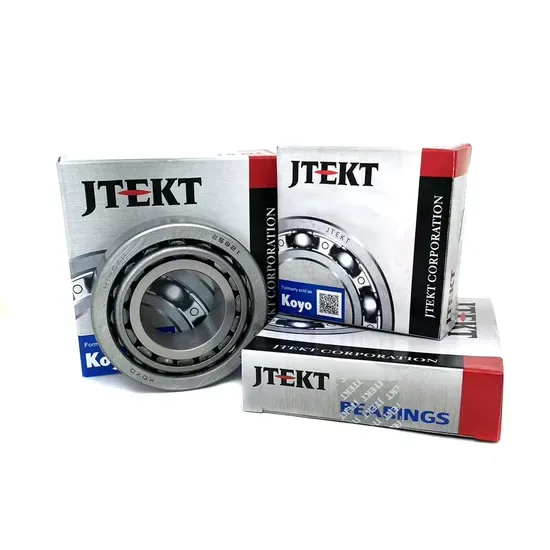
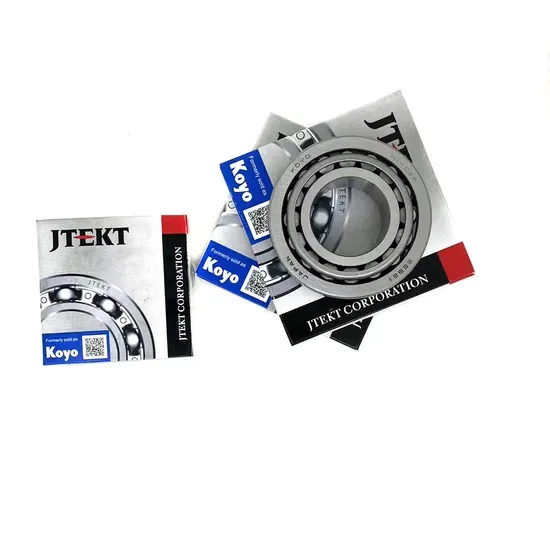
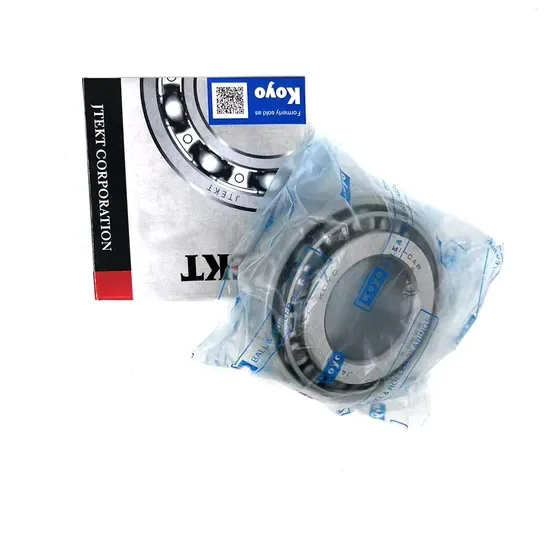
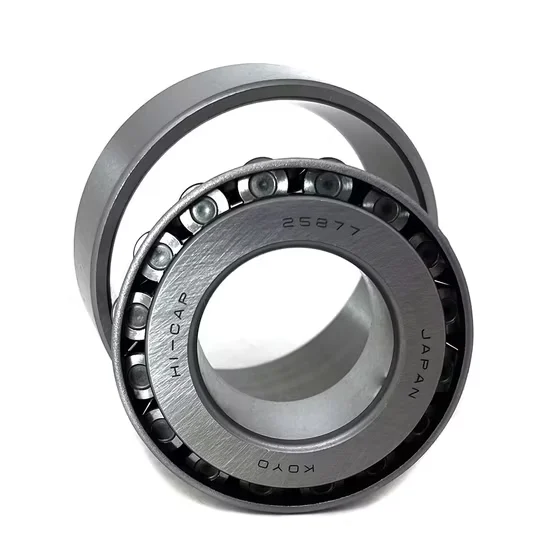
Stainless steel is not vacuum-safe.
Selecting the right bearing for high-vacuum environments requires matching fluoropolymer coatings and specific vacuum greases to exact chamber pressure and RPM, rather than just picking standard stainless steel units.
I still remember the silence in the control room after a coating chamber failed. It wasn’t the usual hum of pumps; it was the quiet of a halted production line. A client had installed standard stainless steel bearings, assuming the material alone would suffice for their 10⁻⁵ Pa environment. They were wrong. The bare metal micro-outgassed under thermal stress, releasing hydrocarbons that contaminated the entire wafer batch. That incident shifted my focus from general supply to specialized vacuum solutions. Now, when engineers ask about Koyo Bearings for Clean and Vacuum Use, I start by asking for their base pressure and operating temperature, not just the part number.
Understanding why standard components fail in cleanrooms is the first step toward reliable specification. The difference between a working system and a contaminated one often lies in surface treatment and lubrication chemistry.
What Defines a True Vacuum Bearing?
Material composition is secondary to surface energy control.
Many buyers assume that switching to stainless steel solves contamination issues. While stainless steel resists corrosion, it does not inherently prevent outgassing. In high-vacuum systems, trapped gases within the metal matrix or adsorbed on the surface can desorb over time, raising the pressure and depositing films on sensitive optics or wafers.
The defining feature of a true vacuum bearing is its ability to minimize this release. This is achieved through specialized fluoropolymer coatings. These coatings create a barrier that traps potential contaminants and reduces the surface area available for gas adsorption. Without this layer, even high-grade steel acts as a source of pollution.
When evaluating Koyo Bearings for Clean and Vacuum Use, look for the EXSEV series specifications. These units are engineered with low-particle generation in mind. The coating process is critical; it must be uniform and free of pinholes. A compromised coating exposes the underlying metal, negating the vacuum benefits. I have seen cases where visual inspection missed micro-cracks in the coating, leading to premature failure. Proper verification involves checking the surface finish and ensuring the coating integrity matches the application’s strictness.
The goal is not just cleanliness but stability. A bearing that sheds particles or releases gas disrupts the delicate balance of a vacuum chamber. By prioritizing surface treatment over mere material grade, engineers can ensure longer maintenance intervals and higher yield rates in semiconductor manufacturing.
How to Match Koyo EXSEV Specs to Chamber Pressure?
Pressure ranges dictate specific suffix requirements, not just size.
Choosing a bearing based solely on load capacity ignores the primary constraint of vacuum applications: the mean free path of gas molecules. As pressure drops, the behavior of lubricants and surfaces changes dramatically. A bearing suitable for rough vacuum may fail catastrophically in high vacuum due to increased friction or lubricant evaporation.
To simplify selection, consider the following mapping of pressure ranges to bearing characteristics. Note that these are qualitative guidelines based on typical operational limits.
| Chamber Pressure Range | Required Coating Type | Lubrication Strategy | Cage Material Recommendation |
|---|---|---|---|
| Rough Vacuum (10³ to 10⁻¹ Pa) | Standard Stainless Steel | Mineral Oil or Standard Grease | Steel or Polyamide |
| Medium Vacuum (10⁻¹ to 10⁻⁴ Pa) | Fluoropolymer Coated | Low Vapor Pressure Grease | Phenolic or PEEK |
| High Vacuum (10⁻⁴ to 10⁻⁷ Pa) | Advanced Fluoropolymer Gel | PFPE Based Grease | PTFE or Special Polymer |
| Ultra-High Vacuum (<10⁻⁷ Pa) | Full Surface Coverage | Solid Lubricant or Dry Run | Ceramic or Special Alloy |
A European semiconductor equipment manufacturer once struggled with intermittent spikes in their chamber pressure. They were using medium-vacuum rated bearings in a high-vacuum stage. The mismatch caused the grease to volatilize, creating a temporary cloud of hydrocarbons. Switching to the correct EXSEV variant with a higher-grade fluoropolymer coating resolved the issue. The key was aligning the bearing’s outgassing profile with the pump’s capability.
When sourcing Koyo Bearings for Clean and Vacuum Use, verify the suffix codes. These codes indicate the specific treatment applied. A generic request for “vacuum bearings” often leads to suppliers providing standard stainless units, which are insufficient for pressures below 10⁻⁴ Pa. Always cross-reference the intended operating pressure with the manufacturer’s technical data sheets.
Precision in specification prevents costly retrofits. By matching the bearing’s design to the specific vacuum tier, you ensure that the component supports the system’s performance rather than hindering it.
Why Does Vacuum Grease Dictate Bearing Lifespan?
Lubricant vapor pressure is the silent killer of vacuum integrity.
Even with the perfect coating, the wrong grease can ruin a vacuum system. Standard lubricants contain volatile compounds that evaporate under low pressure. This evaporation not only depletes the lubricant, leading to mechanical wear, but also contaminates the chamber. The resulting deposits can cause electrical shorts in plasma processes or obscure optical sensors.
Specialized perfluoropolyether (PFPE) greases are mandatory for most vacuum applications. These synthetic fluids have extremely low vapor pressures and high thermal stability. They do not break down easily under radiation or heat, making them ideal for harsh environments. However, not all PFPE greases are identical. Their viscosity and thickener type must match the bearing’s speed and load requirements.
I recall a case where a cryogenic pump failed repeatedly. The issue was not the bearing itself but the grease. At low temperatures, the selected vacuum grease solidified, increasing torque until the motor stalled. Switching to a PFPE grease formulated for cryogenic use restored functionality. This highlights the importance of considering the entire operating envelope, not just the vacuum level.
For Koyo Bearings for Clean and Vacuum Use, the grease selection is often pre-determined by the series designation. However, for custom applications, verifying the compatibility of the lubricant with the process gases is essential. Some process gases can react with certain thickeners, causing sludge formation. Always consult the chemical compatibility chart before finalizing the lubricant choice.
Lifespan in vacuum is less about mechanical fatigue and more about chemical stability. A bearing that retains its lubricant without outgassing will last significantly longer than one that slowly poisons its own environment.
How to Verify Authenticity and Avoid Counterfeits?
Traceability documentation is your primary defense against risk.
The market for specialized bearings is rife with counterfeits. Fake units may look identical to genuine products but lack the precise coatings and quality control required for vacuum use. Using a counterfeit bearing in a semiconductor tool can lead to millions in losses due to scrapped wafers and downtime.
Verification starts with the packaging and documentation. Genuine KOYO products come with traceability codes that link back to the manufacturing batch. These documents should include material certificates and coating inspection reports. If a supplier cannot provide these, proceed with caution. Visual inspection can also reveal flaws; counterfeit coatings often appear uneven or have a different sheen compared to the original.
A buyer in Southeast Asia recently received a shipment of bearings that failed during installation. The cages were brittle, and the coating peeled off under minimal stress. Upon investigation, the parts were found to be replicas. The lack of proper traceability docs was the first red flag. Sourcing from authorized distributors with a proven track record mitigates this risk.
When purchasing Koyo Bearings for Clean and Vacuum Use, insist on full batch-level traceability. This ensures that every unit meets the stringent requirements of the EXSEV series. Mixed-batch flexibility is useful for MRO, but each batch must be verified. Do not accept “equivalent” parts from unknown manufacturers for critical vacuum stages. The cost savings are negligible compared to the risk of system contamination.
Authenticity guarantees performance. In high-stakes environments, the peace of mind provided by verified genuine parts is worth the investment. It ensures that the engineering specifications you rely on are actually present in the hardware you install.
Conclusion
Vacuum reliability depends on surface science, not just steel grade.
Selecting the right components requires a holistic view of pressure, temperature, and lubrication. By focusing on fluoropolymer coatings and PFPE greases, engineers can avoid common pitfalls like outgassing and particle generation. Always verify specifications against the actual operating conditions of the chamber.
Proper selection of Koyo Bearings for Clean and Vacuum Use ensures system integrity and longevity. Prioritize traceability and technical alignment over simple availability. This approach minimizes downtime and protects valuable processes from contamination.