Matching the part number is not enough to guarantee spindle performance.
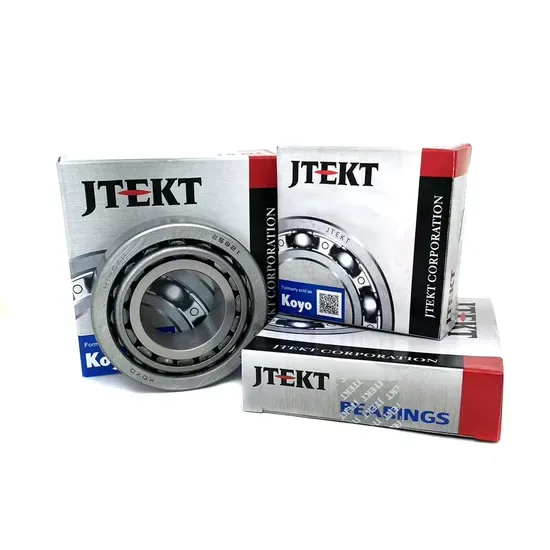
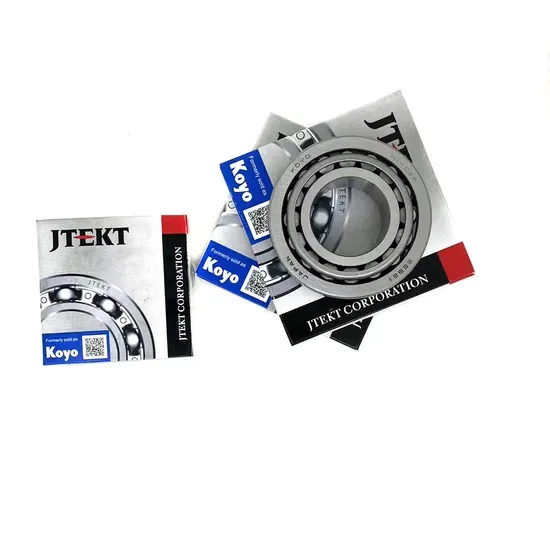
Sourcing genuine Koyo bearings for machine tools requires strict verification of precision grades, internal clearance, and anti-rust packaging protocols rather than simply matching alphanumeric codes. The most common cause of premature spindle failure in high-speed CNC applications is not counterfeit products, but the mismatch between standard clearance groups and the thermal expansion characteristics of the specific machine tool design. Buyers must prioritize suppliers who provide full traceability documentation, vacuum-sealed packaging for sea freight, and technical support for selecting the correct P4 or P2 precision class.
Having spent early career years handling documentation at Ningbo Port, I witnessed firsthand how a single oversight in logistics can dismantle a supply chain. A shipment of spindle bearings destined for a German machine tool builder arrived with visible surface corrosion and incorrect internal clearance. The paperwork was perfect, the part numbers matched the purchase order, and the brand was authentic. Yet, the cargo was rejected entirely. The failure stemmed from ignoring the specific anti-rust requirements for high-precision components during ocean transit and failing to verify that the selected clearance group matched the spindle’s operating temperature range. This incident reshaped my approach to procurement, shifting the focus from mere transaction completion to rigorous technical and logistical validation.
Why Do Machine Tool Spindles Fail with “Genuine” Koyo Bearings?
Improper clearance selection and inadequate packaging cause more failures than counterfeits.
Many procurement teams assume that ordering by part number ensures compatibility. However, Koyo bearings for machine tools are engineered with specific internal clearances that dictate how the bearing behaves under thermal load. A standard C3 clearance might be suitable for general industrial motors, but it can lead to excessive preload and heat generation in a high-speed CNC spindle designed for C2 or even special CN clearances. When the internal clearance does not align with the spindle’s thermal expansion, the rolling elements experience abnormal stress, leading to rapid wear, noise, and eventual seizure.
Another critical factor is packaging. High-precision bearings are susceptible to micro-corrosion, often referred to as “false brinelling” or fretting corrosion, if they shift during transit. More commonly, moisture ingress during sea freight causes surface rust on the raceways. Even microscopic rust pits can destroy the smooth operation of a P4 or P2 grade bearing. In one case, a batch of bearings stored in a non-climate-controlled container developed humidity-induced oxidation. While the rust was barely visible to the naked eye, it caused significant vibration issues once installed in ultra-precision grinding machines.
| Failure Mode | Root Cause | Impact on Performance |
|---|---|---|
| Thermal Seizure | Incorrect internal clearance (e.g., C3 instead of C2) | Rapid temperature increase, loss of precision, spindle lockup |
| Surface Corrosion | Poor anti-rust packaging during sea freight | Vibration, noise, reduced service life, premature fatigue |
| Precision Loss | Mishandling or lack of vacuum sealing | Degradation of P4/P2 tolerance levels, poor surface finish on workpieces |
The lesson here is that authenticity alone does not guarantee performance. The physical condition of the bearing upon arrival and its technical suitability for the specific application are equally vital. Suppliers who merely box and ship without considering these technical nuances expose buyers to significant operational risks.
How to Select the Right Precision and Clearance for CNC Spindles?
Match P4/P2 grades and specific clearance groups to RPM and thermal conditions.
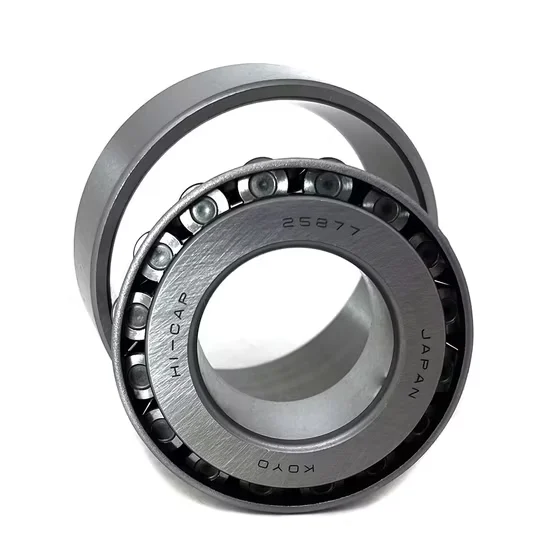
Selecting the correct Koyo bearings for machine tools involves understanding the ABMA and ISO precision classes. For most high-speed CNC spindles, P4 (ABEC 7) is the standard requirement, while ultra-precision applications may demand P2 (ABEC 9). These grades define tolerances for bore diameter, outside diameter, and width, as well as runout values. However, precision class is only half the equation. The internal radial clearance must be carefully chosen to accommodate the differential thermal expansion between the shaft and the housing.
In high-speed applications, the inner ring typically heats up faster than the outer ring, causing it to expand more. If the initial clearance is too tight, this expansion eliminates the necessary running clearance, leading to preload and overheating. Conversely, if the clearance is too loose, the bearing may suffer from skidding and instability. Therefore, specifying the correct clearance group—such as C2 for tighter fits or C0/CN for standard applications—is crucial.
A European automotive parts manufacturer once faced recurring spindle failures in their turning centers. They were using standard P4 bearings with normal clearance. After analyzing the thermal profile of the spindles, it was determined that the operating temperature caused sufficient expansion to eliminate the running clearance. Switching to a specialized clearance variant resolved the issue, extending spindle life significantly. This highlights the importance of consulting technical datasheets and potentially engaging with suppliers who offer engineering support for model selection.
| Precision Class | Typical Application | Tolerance Level |
|---|---|---|
| P0 (Normal) | General industrial motors, low-speed gearboxes | Standard |
| P6 (Class 6) | Higher speed motors, pumps, general machinery | Improved |
| P5 (Class 5) | High-speed motors, precision gearboxes | High |
| P4 (Class 4) | CNC spindles, high-precision machine tools | Very High |
| P2 (Class 2) | Ultra-precision grinding spindles, metrology equipment | Ultra-High |
When sourcing Koyo bearings for machine tools, buyers should request detailed certification that confirms both the precision class and the internal clearance group. Relying solely on the part number can be misleading, as some manufacturers offer multiple clearance options under similar numbering schemes or require specific suffixes to denote non-standard clearances.
What Packaging and Traceability Documents Are Mandatory for Import?
Vacuum sealing and full origin certificates are non-negotiable for sea freight.
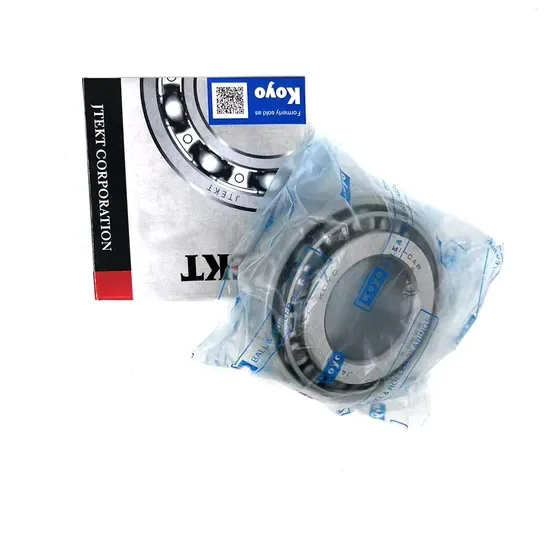
The journey from the manufacturer’s facility to the end-user’s warehouse involves multiple handling points and environmental changes. For Koyo bearings for machine tools, especially those with P4 or P2 precision, standard cardboard boxing is insufficient for international shipping. Vacuum-sealed packaging is essential to prevent moisture ingress and oxygen exposure, which are the primary drivers of corrosion during long sea voyages. Additionally, desiccants should be included within the sealed package to absorb any residual humidity.
Traceability is another critical component. Customs authorities in many countries require proof of origin to verify that the goods are genuine and to apply the correct tariff rates. A complete set of documents should include the original certificate of origin, material test reports, and batch-specific quality inspection records. These documents not only facilitate smooth customs clearance but also serve as proof of authenticity for the end customer. In cases where mixed-brand containers are consolidated, having clear labeling and separate documentation for each brand is vital to avoid delays and confusion.
A buyer in Southeast Asia experienced significant delays when their mixed-container shipment was held at customs due to missing origin certificates for the premium brand bearings. While the domestic brands had proper paperwork, the imported Koyo bearings for machine tools lacked the specific batch traceability documents required by local regulations. This resulted in storage fees and delayed production schedules. Ensuring that the supplier provides comprehensive documentation for every item in a consolidated shipment is a key risk mitigation strategy.
| Document Type | Purpose | Critical for |
|---|---|---|
| Certificate of Origin | Proof of manufacturing country | Customs clearance, tariff determination |
| Material Test Report | Verification of steel quality and composition | Quality assurance, technical compliance |
| Batch Inspection Record | Confirmation of dimensional and functional checks | Traceability, defect investigation |
| Packing List | Detailed inventory of shipped items | Logistics, receiving, inventory management |
Suppliers who specialize in global distribution understand these requirements and have systems in place to generate and verify these documents before shipment. This level of administrative rigor is as important as the technical quality of the bearings themselves.
How to Verify Supplier Reliability and Avoid Procurement Pitfalls?
Demand batch traceability and mixed-container consolidation expertise.
Finding a reliable source for Koyo bearings for machine tools goes beyond checking a website. It requires evaluating the supplier’s ability to maintain product integrity throughout the supply chain. One effective method is to request sample batches for independent verification. This allows buyers to check the packaging quality, document accuracy, and physical dimensions of the bearings before committing to larger orders. Additionally, verifying the supplier’s experience with mixed-brand consolidation can reveal their operational maturity. Handling multiple premium brands in a single container requires meticulous organization to prevent cross-contamination and ensure that each brand’s specific packaging and documentation requirements are met.
Another pitfall to avoid is focusing solely on unit price. The lowest price often hides costs related to poor packaging, incorrect specifications, or lack of technical support. A slightly higher initial cost from a supplier who provides proper vacuum sealing, accurate clearance selection, and complete documentation can save substantial amounts in avoided downtime, returns, and rework. The true cost of ownership includes the reliability of the supply chain and the technical accuracy of the products delivered.
A Middle East steel mill operator switched to a supplier who offered comprehensive technical support and robust packaging solutions. Although the unit price was marginally higher, the reduction in spindle failures and the elimination of customs delays resulted in significant overall savings. This shift demonstrated that value in bearing procurement is derived from reliability and technical alignment, not just the sticker price.
When evaluating potential partners, look for those who demonstrate a deep understanding of the technical requirements of machine tool applications. They should be able to discuss precision classes, clearance groups, and packaging protocols with confidence. This expertise indicates a commitment to quality and a capability to support complex procurement needs.
Conclusion
Sourcing success depends on technical verification, not just part number matching.
Procuring Koyo bearings for machine tools demands a holistic approach that integrates technical specification, logistical protection, and documentary compliance. By prioritizing correct precision and clearance selection, enforcing strict packaging standards, and ensuring full traceability, buyers can mitigate the risks of premature failure and supply chain disruption. The right supplier acts as a technical partner, providing the expertise and infrastructure needed to deliver genuine, high-performance components reliably.