The cheapest bearing on the invoice is often the most expensive component in your maintenance budget.
Sourcing genuine Koyo bearings for wind turbines requires strict verification of traceability documents and precise specification matching to prevent catastrophic downtime. Authenticity is not guaranteed by brand logos alone but by verifiable batch consistency, origin certificates, and adherence to international clearance standards. Without these controls, operators risk installing counterfeit or mismatched units that fail under dynamic loads, leading to unplanned outages that far exceed initial procurement savings.
I still remember the silence on the Red Sea coast when the yaw drive seized. It was not a mechanical mystery; it was a procurement failure. I had sourced what appeared to be Koyo bearings for wind turbines from a middleman who promised significant cost savings. The packaging looked correct, and the price was attractive. However, when our site engineers measured the internal clearance with precision gauges, the values were completely off-spec. The batch numbers did not match any records in the manufacturer’s database. We lost weeks of generation capacity while waiting for authentic replacements. That incident shifted my entire approach to supply chain management. Now, every shipment is validated against rigorous documentation standards before it leaves the warehouse.
This guide details how to identify authentic products, understand critical technical specifications, and optimize your sourcing strategy to ensure reliability for wind farm operations.
What Are the Critical Koyo Bearing Types for Wind Turbines?
Wind turbine drivetrains operate under extreme and variable loads, requiring specific bearing designs for yaw, pitch, and main shaft applications. Selecting the wrong type or specification can lead to premature fatigue failure. Understanding the distinct roles and technical requirements of each bearing type is essential for effective procurement.
Yaw bearings allow the nacelle to rotate and face the wind. They must withstand high static loads and occasional dynamic shocks from gusts. Pitch bearings control the angle of the blades, requiring high precision and resistance to oscillating movements. Main bearings support the rotor shaft, handling massive radial and axial loads while maintaining alignment. Each application demands different clearance classes and load ratings.
| Bearing Type | Primary Load Characteristic | Critical Specification Focus | Typical Clearance Class |
|---|---|---|---|
| Yaw Bearing | High Static / Low Speed Oscillation | Seal Integrity & Corrosion Resistance | C3 / Custom Large |
| Pitch Bearing | Oscillating / Moderate Dynamic | Raceway Hardness & Lubrication Retention | C3 / C4 |
| Main Bearing | High Radial / Axial Combined | Dynamic Load Rating & Precision | C3 / C4 |
A European wind farm operator once reported repeated failures in their pitch system. Upon investigation, we found they had installed standard commercial-grade bearings instead of those designed for oscillating motion. The lack of specialized heat treatment and lubrication channels caused rapid wear. Switching to authentic Koyo bearings for wind turbines with the correct oscillation-resistant design resolved the issue. This highlights why generic substitutions are risky in critical renewable energy infrastructure.
When evaluating options, always cross-reference the original equipment manufacturer’s technical sheets. Do not rely solely on part numbers, as suffixes indicating clearance or sealing can vary. Verify that the supplier can provide detailed datasheets confirming these parameters.
How to Verify Authentic Koyo Bearings Before Procurement?
Counterfeit bearings are a persistent threat in the global market. They often look identical to genuine products but use inferior steel and lack proper heat treatment. Verifying authenticity requires a multi-layered approach involving documentation, physical inspection, and supply chain transparency.
Start with the paperwork. Genuine products come with a certificate of origin and material test reports. These documents should include specific batch numbers that correspond to the markings on the bearing itself. If a supplier cannot provide these documents or offers vague explanations, consider it a major red flag. Traceability is non-negotiable for critical infrastructure.
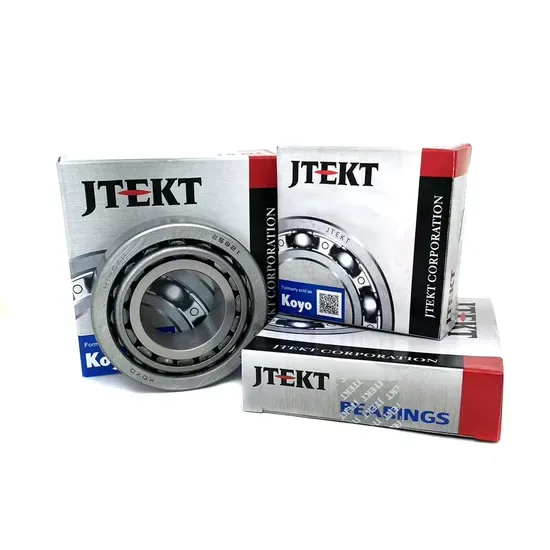
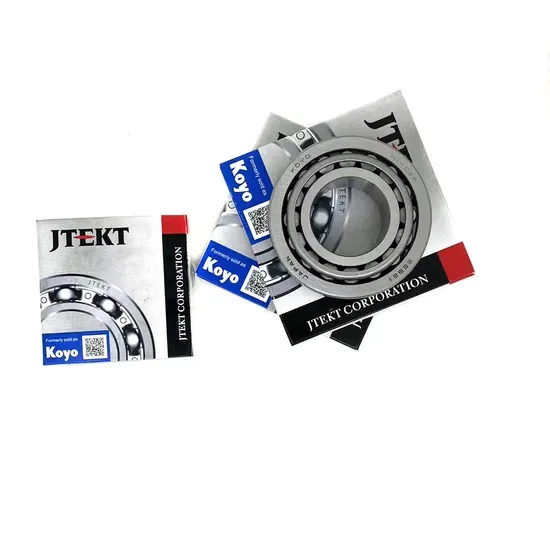
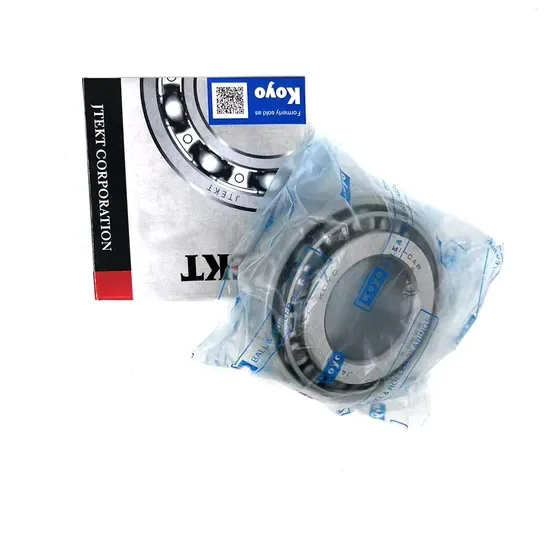
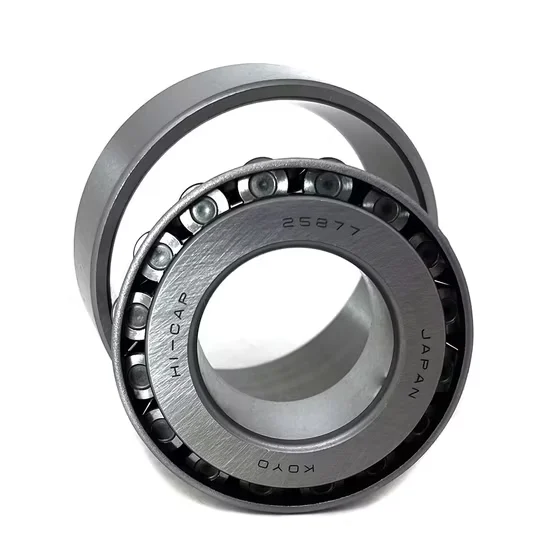
Next, examine the physical attributes. Authentic Koyo bearings for wind turbines feature precise laser etching or stamping that is clean and uniform. Counterfeits often have poorly defined markings or signs of reconditioning. Check the packaging for security features and holographic labels if applicable. However, packaging can be faked, so physical inspection of the bearing surface finish and geometry is crucial.
- Request full traceability documentation including origin certificates.
- Verify batch numbers against manufacturer databases where possible.
- Inspect marking quality for precision and uniformity.
- Confirm packaging integrity and security features.
A distributor in Southeast Asia recently encountered a container of mixed-brand bearings. Several boxes labeled as premium brands contained units with inconsistent surface finishes. By insisting on pre-shipment inspection and document verification, we identified the discrepancies before customs clearance. This prevented a costly return process and protected the buyer’s reputation with their end clients. Always insist on seeing samples or conducting third-party inspections for large orders.
Reliable suppliers will welcome these verification steps. They understand that trust is built on transparency. If a vendor resists providing detailed documentation, seek a partner who prioritizes compliance and quality assurance.
What Are the Hidden Costs of Counterfeit or Mismatched Bearings?
Many buyers focus on the upfront purchase price, ignoring the total cost of ownership. A counterfeit or mismatched bearing may save money initially but can lead to exponential costs through unplanned downtime, emergency logistics, and collateral damage to other components.
Consider the cost of a crane rental for a main bearing replacement. It is substantial. Add to this the loss of revenue from days or weeks of non-operation. Then factor in the potential damage to the gearbox or generator if a failed bearing causes misalignment. The initial savings from a cheap bearing are negligible compared to these downstream expenses.
Furthermore, mismatched bearings often have incorrect internal clearances. If a bearing with too tight clearance is installed, it will overheat and fail prematurely. If the clearance is too loose, it will cause vibration and noise, leading to accelerated wear on surrounding parts. These issues are difficult to diagnose after installation and often result in repeated failures.
| Cost Factor | Genuine Spec-Matched Bearing | Counterfeit/Mismatched Bearing |
|---|---|---|
| Initial Purchase Price | Standard Market Rate | Significantly Lower |
| Installation Risk | Low | High |
| Expected Service Life | Designed Duration | Unpredictable / Short |
| Downtime Impact | Minimal | Severe |
| Total Cost of Ownership | Optimized | Excessively High |
In the Middle East, a wind farm experienced a yaw bearing failure due to incorrect clearance specifications. The downtime lasted several weeks because the replacement part had to be air-freighted urgently. The cost of the emergency shipment and lost generation was many times higher than the price difference between a verified genuine unit and the cheaper alternative they initially considered. This case underscores the financial logic of investing in verified Koyo bearings for wind turbines.
Evaluate suppliers based on their ability to guarantee specification accuracy and provide technical support. A partner who helps you select the right clearance class adds more value than one who simply offers the lowest price.
How to Optimize Sourcing and Lead Times for Wind Farm MRO?
Maintenance, repair, and operations (MRO) require agility. Wind farms cannot afford long lead times for critical spares. Optimizing your sourcing strategy involves balancing inventory levels with reliable supply chains that offer flexibility.
One effective strategy is mixed-brand consolidation. Instead of ordering full containers from multiple manufacturers, work with a supplier who can consolidate various brands and sizes into a single shipment. This reduces shipping costs and simplifies customs clearance. It also allows you to maintain a diverse spare parts inventory without tying up excessive capital in bulk orders of a single item.
Flexible minimum order quantities (MOQs) are another key factor. Emergency repairs often require just one or two units. Suppliers who insist on large MOQs can hinder your ability to respond quickly to breakdowns. Look for partners who accommodate small-batch orders for urgent needs while still offering competitive pricing for larger planned procurements.
- Utilize mixed-brand consolidation to reduce shipping costs.
- Seek suppliers with flexible MOQs for emergency spares.
- Maintain strategic stock of critical yaw and pitch bearings.
- Establish long-term agreements for predictable lead times.
A regional distributor in Africa struggled with fragmented shipments from various sources. By switching to a consolidated sourcing model, they reduced their logistics overhead and improved delivery reliability. They could now offer their clients faster turnaround times for Koyo bearings for wind turbines and other essential components. This operational efficiency strengthened their market position and customer loyalty.
Build relationships with suppliers who understand the urgency of MRO scenarios. Their ability to provide quick quotes, accurate availability information, and fast dispatch services is as valuable as the product itself. Ensure they have the infrastructure to handle both small emergency orders and large project shipments efficiently.
Conclusion
Authenticity and specification accuracy are the foundations of reliable wind turbine operation.
Sourcing genuine Koyo bearings for wind turbines demands more than just checking a brand name. It requires rigorous verification of traceability documents, understanding of technical specifications like clearance classes, and awareness of the hidden costs associated with counterfeits. By prioritizing verified suppliers who offer transparent documentation and flexible sourcing options, operators and distributors can minimize downtime risks and optimize total cost of ownership. Trust is earned through consistent quality and proven reliability, not just low prices.