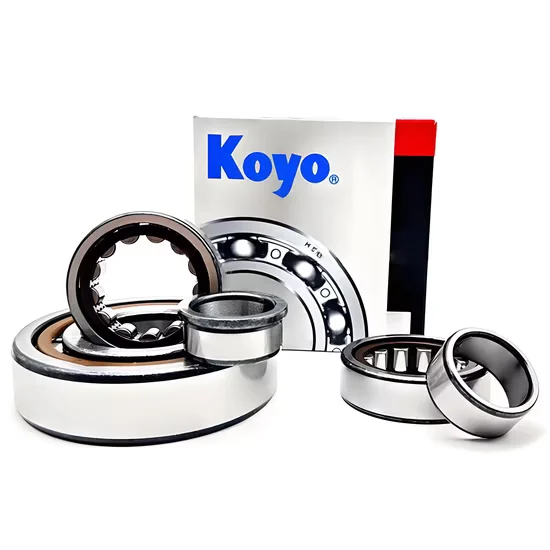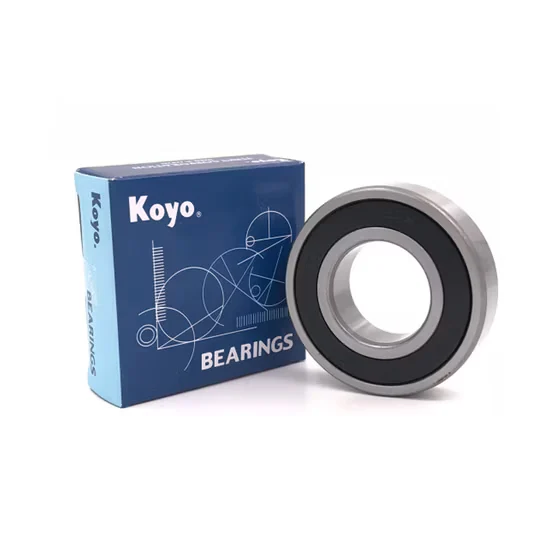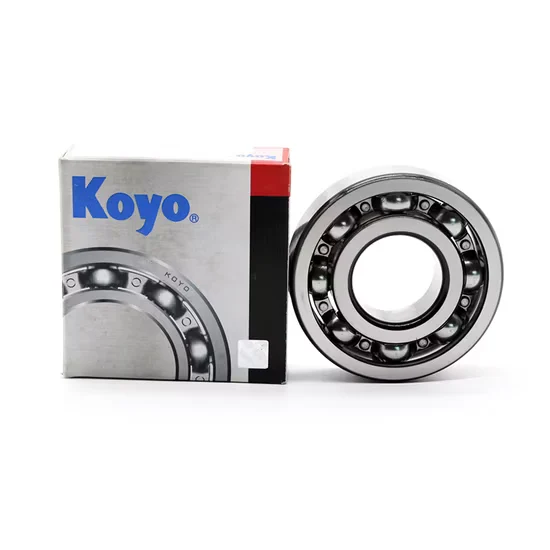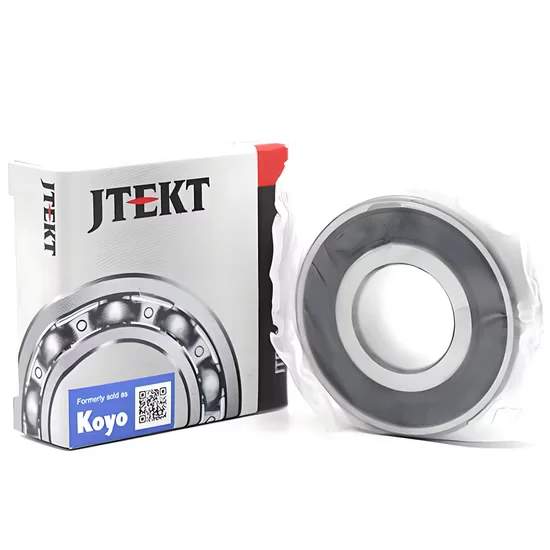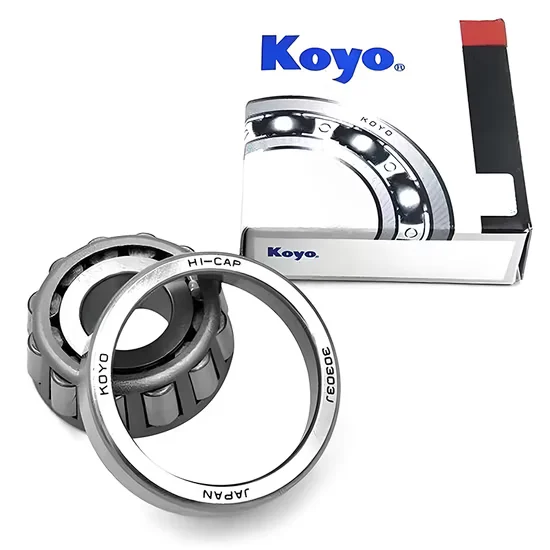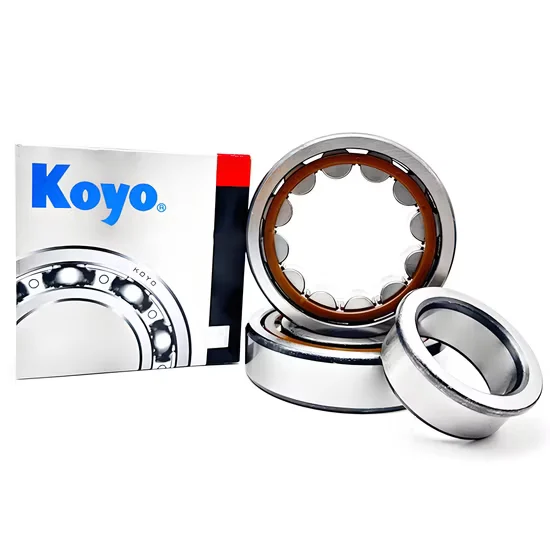

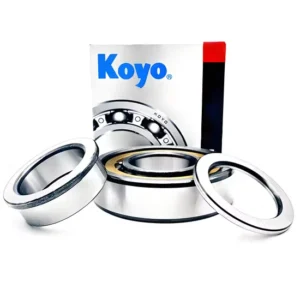


Unified Multi-Brand Sourcing — Consolidate your KOYO NU205EM cylindrical roller bearing orders with other premium lines in a single shipment without juggling multiple vendors.
Technical Specifications
| Parameter | Value |
|---|---|
| Designation | KOYO NU205EM |
| Product Type | Cylindrical Roller Bearing |
| Bore Diameter (d) | 25 mm |
| Outside Diameter (D) | 52 mm |
| Width (B) | 15 mm |
| Cage Material | Machined brass cage (M suffix) |
| Internal Design | Enhanced design (E suffix) |
| Seal or Shield Type | Open |
| Lubrication | Oil / Grease / Dry |
| Precision Class | P0 P6 P5 P4 P2 |
| Load Direction | Radial |
| Arrangement | Single Row |
| Material | Bearing Steel |
| Origin | Japan |
Application Suitability
| Industry | Typical Applications |
|---|---|
| Heavy Machinery | Main drive shafts in heavy-duty gearboxes |
| Metallurgy | Work roll and backup roll necks in rolling mills |
| Power Transmission | High-torque input stages of industrial traction motors |
Why Standard Cages Shatter Inside Your Gearbox Before the KOYO NU205EM Cylindrical Roller Bearing Does
Brass cages survive the vibration that tears stamped steel apart.
I have seen too many production lines in the Middle East grind to a halt because a gearbox was fitted with a basic stamped steel cage instead of a machined brass one. Under extreme vibration and thermal cycling, those thin metal cages fracture, scattering debris and seizing the entire assembly. Upgrading to the correct internal configuration prevents these catastrophic lockups and keeps the drivetrain spinning smoothly.
Matching the Machined Brass Cage to Severe Gearbox Loads
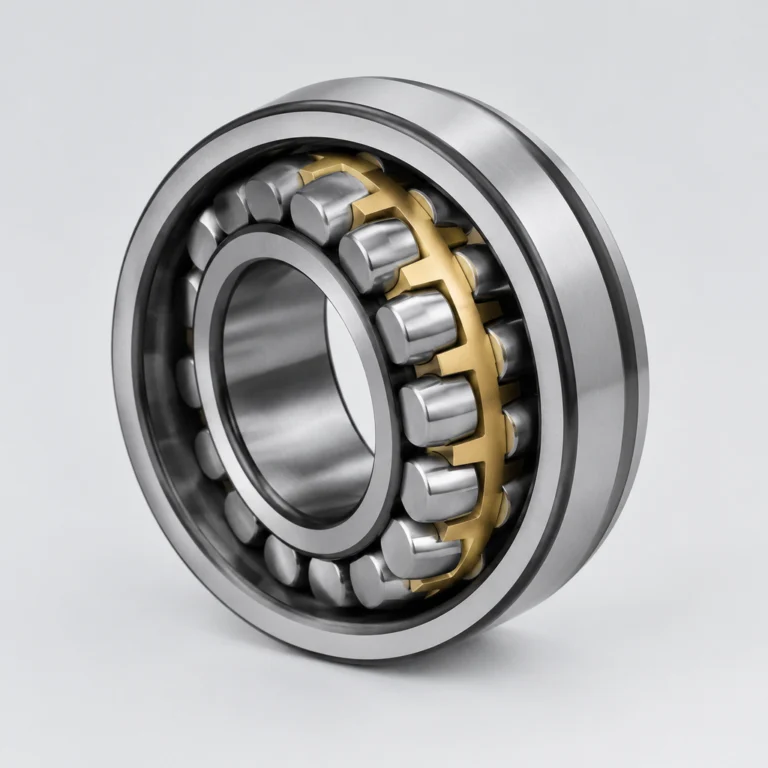
When specifying a KOYO NU205EM cylindrical roller bearing for heavy-duty gearboxes, the machined brass cage provides the structural rigidity needed to handle sudden torque spikes. This configuration ensures the rolling elements remain perfectly spaced even when the gearbox experiences severe shock loads during startup. Our engineering team regularly helps plants retrofit failing assemblies with this exact reinforced design to eliminate recurring cage fatigue.
Managing Thermal Expansion and Lubrication Starvation
Rolling mills subject cylindrical roller bearings to intense heat and heavy radial forces, demanding careful attention to internal clearance and lubrication flow. Without adequate oil circulation, the friction generated at elevated temperatures can quickly degrade the lubricant film and cause surface smearing. An open design allows maintenance crews to flush the housing and apply fresh oil or grease directly to the raceways, matching the specific thermal profile of the mill stand. Proper clearance selection is critical to accommodate the thermal expansion of the shaft and housing during continuous operation.
Decoding the E and M Suffixes for Maximum Radial Capacity
The "E" suffix indicates an enhanced internal design, optimizing the roller profile and raceway geometry to maximize the radial load rating without increasing the physical envelope. Paired with this, the "M" suffix designates a machined brass cage, which offers superior guidance and damping compared to stamped steel alternatives, especially under high-vibration conditions. Because this is an open, separable bearing, the inner ring with the roller and cage assembly can be mounted independently from the outer ring, simplifying installation in tight gearbox housings. The availability across multiple precision classes allows maintenance teams to select the exact tolerance required for high-speed traction motors or standard industrial drives.
The Cascading Damage of Ignoring Cage Material Specifications
Fitting a standard stamped cage in an application that demands a machined brass design inevitably leads to premature cage fragmentation. Once the cage fails, the rollers skew and bind against the raceway, causing severe spalling and catastrophic damage to the shaft and housing. This unplanned downtime not only halts production but also voids equipment warranties and forces expensive secondary machining repairs. Adhering to proper selection guidelines prevents these compounding losses and ensures predictable maintenance intervals.
Securing Traceable Brass Cage Bearings from Verified Channels
Sourcing genuine components requires more than just matching the part number; it demands verifying the exact suffix configuration, as counterfeit suppliers often swap machined brass cages for cheaper stamped steel. We provide complete batch traceability for every KOYO NU205EM cylindrical roller bearing, ensuring the internal design matches the factory specifications. Our massive spot inventory covers thousands of part numbers, allowing us to consolidate mixed-brand emergency orders into a single shipment. Furthermore, our technical team cross-checks clearance and cage material alignment before dispatch to guarantee the replacement fits your specific operating envelope.
Documentation & Authenticity
- Certificate of Conformity validating the specific E and M suffix configuration.
- Original factory batch tracing linking the bearing to its Japanese production run.
- Official brand app QR authentication for immediate field verification.
- Material inspection reports confirming the bearing steel metallurgical standards.
- Dimensional and running accuracy inspection reports matching the requested precision class.
Storage, Handling & Mounting
- Keep the original packaging sealed until installation to protect the open raceways from humidity and dust ingress.
- Use induction heating for mounting the inner ring onto the shaft to preserve the precise interference fit.
- Apply clean gloves when handling the machined brass cage to prevent acidic sweat from initiating surface corrosion.
- Flush the gearbox housing thoroughly before installation to remove any metallic debris that could score the enhanced raceway.
- Verify the shaft and housing tolerances match the selected precision class to avoid internal preload or excessive play.
Preparing Your Technical Data for Accurate Selection
To ensure the selected configuration perfectly matches your drivetrain, please share your specific radial loads, operating speeds, and continuous temperature ranges. Providing the OEM equipment model number allows our engineers to perform a precise cross-reference check and verify the required internal clearance. With these parameters, we can calculate the theoretical L10 life and confirm that the enhanced design and machined brass cage will deliver reliable service in your specific application.
Frequently Asked Questions
Q: How can I verify the authenticity of the machined brass cage through official traceability channels?
A: You can authenticate the component by scanning the QR code on the packaging using the official brand application. Additionally, we provide original factory batch tracing documents and a Certificate of Conformity that explicitly confirm the M suffix, ensuring the internal cage material matches the genuine manufacturer specifications.
Q: What are the critical cross-reference considerations when matching clearance and brass cage specifications?
A: When evaluating equivalents, you must ensure the replacement features the identical enhanced internal geometry and machined brass cage. Mismatching the clearance class or substituting a stamped steel cage will drastically alter the thermal expansion limits and vibration resistance, leading to premature failure under heavy radial loads.
Q: How should I select the optimal lubrication method for this open-type configuration in a rolling mill?
A: For open bearings in high-temperature mill environments, continuous oil circulation or regular grease purging is essential to flush out metallic wear particles. The chosen lubricant must maintain adequate film strength at your specific operating temperature to protect the enhanced roller profiles and prevent raceway smearing.
Q: What mounting tools and induction heating practices are recommended for separable inner ring assemblies?
A: Use a calibrated induction heater to expand the inner ring and roller assembly evenly before sliding it onto the shaft. Avoid direct flame heating, which can destroy the bearing steel heat treatment. Once mounted, allow the assembly to cool naturally and verify the axial position before installing the outer ring.