Moisture ingress, not mechanical load, is the primary killer of marine pump bearings.
Selecting and verifying genuine KOYO bearings for marine pumps requires strict adherence to traceability and environmental protection standards to prevent catastrophic failures in harsh seawater conditions. The critical factor is not just the bearing’s load rating, but the integrity of its sealing system against saltwater and the completeness of its documentation to survive customs scrutiny in major shipbuilding hubs.
I still remember the humidity hitting my face at the Santos port terminal. A container full of ship cooling pump components was stuck in customs limbo. The issue was not the quality of the steel inside, but the paper trail outside. The mixed-container less-than-container-load (LCL) shipment lacked clear origin traceability for the KOYO bearings. To the customs officers, they looked like high-quality counterfeits flooding the local market. I had to scramble, digging through digital archives to produce the original factory certificates and detailed packing lists that linked every batch code to the manufacturer’s production facilities. It was a costly lesson in logistics that had nothing to do with engineering but everything to do with supply chain reality. In the marine sector, a bearing failure means a vessel is out of service. But a documentation failure means the parts never even reach the shipyard.
Why Do KOYO Bearings Fail in Marine Pumps?
The majority of premature bearing failures in marine environments stem from packaging-induced moisture contamination during transit, not operational overload.
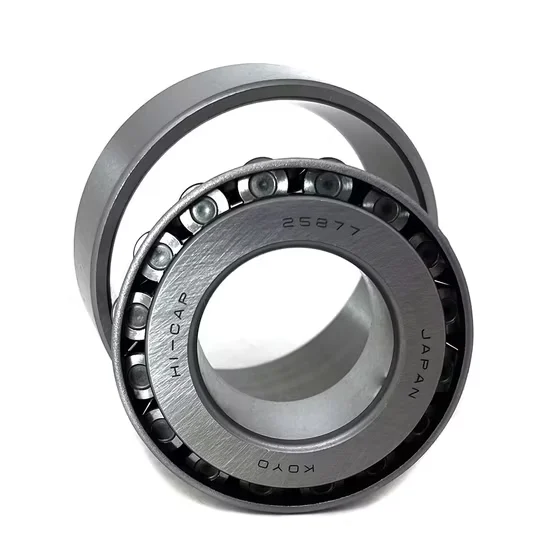
Marine pumps operate in some of the most corrosive environments on earth. Seawater ingestion, high humidity, and constant vibration create a perfect storm for bearing degradation. Many procurement teams focus exclusively on the dynamic load rating when selecting Koyo Bearings in Marine Pumps, assuming that a higher load capacity equals longer life. This is a dangerous misconception. While load capacity is vital for the pump’s hydraulic performance, it does not protect the rolling elements from the chemical attack of saltwater or the physical intrusion of moisture during ocean freight.
The root cause often lies in the journey before installation. Standard cardboard packaging, sufficient for dry warehouse storage in inland factories, offers zero protection against the saline atmosphere of a shipping container. When condensation forms inside the container due to temperature fluctuations between day and night, the moisture penetrates the porous cardboard and attacks the bearing surfaces. By the time the bearing is unpacked at the shipyard, microscopic corrosion may have already begun on the raceways.
To mitigate this, the selection process must prioritize the sealing type and the packaging standard. For marine cooling pumps, which are constantly exposed to water spray and splash, bearings with enhanced sealing capabilities are non-negotiable. The seal must maintain integrity under thermal cycling and resist degradation from salt exposure.. Furthermore, the packaging must be upgraded from standard export cartons to moisture-proof, sealed wooden crates with desiccants. This simple change in logistics protocol can drastically reduce the replacement cycle frequency caused by pre-installation corrosion.
When sourcing Koyo Bearings in Marine Pumps, buyers must verify that the supplier understands this distinction. It is not enough to order the correct part number; one must specify the environmental protection level required for the transit and operational phase. A bearing that survives the voyage intact is half the battle won.
How to Verify Genuine KOYO Bearings Before Shipment?
Implement strict anti-counterfeit checks and demand full traceability documents to avoid customs rejection and operational risks.
The global market for industrial bearings is saturated with high-quality fakes. These counterfeits often look identical to the genuine article, featuring correct logos and even convincing packaging. However, the internal metallurgy and heat treatment processes are inferior, leading to rapid fatigue failure under the heavy loads of marine propulsion and cooling systems. For a ship operator, the cost of a failed bearing is not just the price of the part, but the demurrage charges and lost revenue from a grounded vessel.
Verification starts long before the goods arrive. It begins with the request for specific documentation. Genuine products come with a chain of custody that can be traced back to the manufacturer’s production facilities. This includes batch numbers, material certificates, and quality inspection reports. Without these, the bearings are merely metal objects with no provenance..
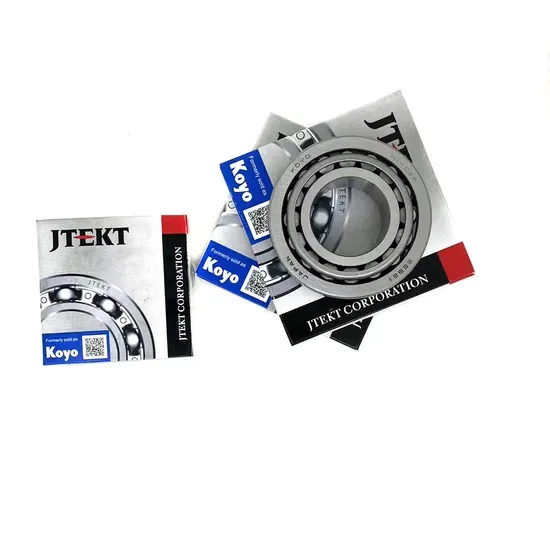
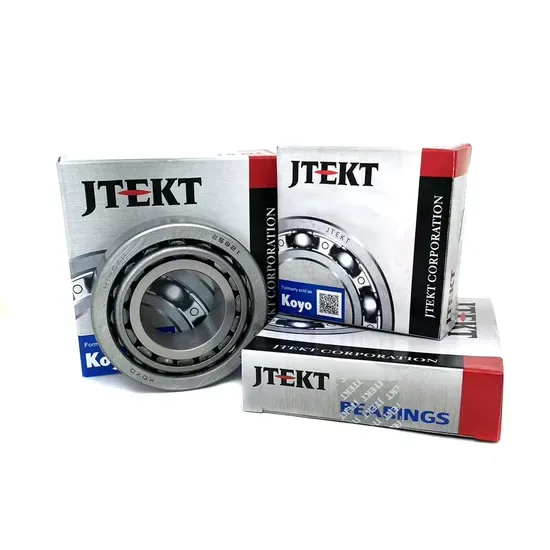
A practical verification method involves checking the anti-counterfeit features integrated into the product and packaging. Modern genuine bearings often include holographic labels and unique traceability codes that can be verified through official channels. In local markets across Latin America and Southeast Asia, I have seen batches where nearly half were rejected after a simple code verification scan revealed they were duplicates or invalid. This ratio of rejected batches highlights the prevalence of fraud and the necessity of rigorous checking.
Buyers often assume that the lowest price wins the contract. However, lacking traceability docs causes higher demurrage and rejection costs at customs. As seen in the Santos incident, customs authorities are increasingly vigilant about intellectual property and counterfeit goods. If the documentation does not clearly link the Koyo Bearings in Marine Pumps to an authorized supply chain, the shipment can be held indefinitely. The cost of clearing such delays far exceeds the savings from buying from an unverified source. Therefore, the verification process is not just a quality control step; it is a financial safeguard.
What Are the Best Practices for Consolidating Marine Bearing Shipments?
Standardize LCL documentation and moisture-proof wooden crates to ensure smooth customs clearance and transit survival.
Consolidating shipments is a common practice for MRO operators and regional distributors who need to mix various bearing types and brands in a single container. While this reduces freight costs, it introduces complexity in documentation and handling. Mixed containers are scrutinized more heavily by customs because they present a higher risk of containing undeclared or counterfeit items.
The key to successful consolidation is standardization. Every item in the container, especially critical components like Koyo Bearings in Marine Pumps, must have its own clear, separate documentation packet attached to the physical goods. This packet should include the commercial invoice, packing list, and certificate of origin specific to that batch. Mixing these documents or providing a generic summary for the whole container is a recipe for delay. Customs officers need to see a direct line from the document to the specific box in the container.
Moisture-proof packaging becomes even more critical in consolidated shipments. Different goods may have different humidity sensitivities. Bearings, being precision steel components, are among the most vulnerable. Using sealed wooden crates with internal desiccants ensures that the micro-environment around the bearings remains dry, regardless of what else is in the container. This practice has shown a noticeable reduction in moisture-related defects upon arrival.
Furthermore, the declaration of goods must be precise. Vague descriptions like “machine parts” are red flags for customs. Each line item should specify the brand, part number, and application. For example, listing “Genuine KOYO Deep Groove Ball Bearing for Marine Pump Application” provides clarity and demonstrates compliance. This level of detail helps expedite the clearance process and reduces the likelihood of physical inspection, which can expose the goods to further environmental risks.
Sourcing from a partner who specializes in these complexities ensures that the consolidation is handled correctly. They understand that the value of the shipment is not just in the hardware, but in the seamless flow of information and protection that accompanies it. This expertise transforms a potential logistical nightmare into a routine delivery.
Conclusion
Traceability and moisture protection are as critical as the bearing’s mechanical specifications.
Surviving the harsh marine environment requires more than just a robust component; it demands a supply chain that protects the product from factory to installation. By prioritizing verified documentation and specialized packaging, operators can ensure that their Koyo Bearings in Marine Pumps perform reliably when it matters most.