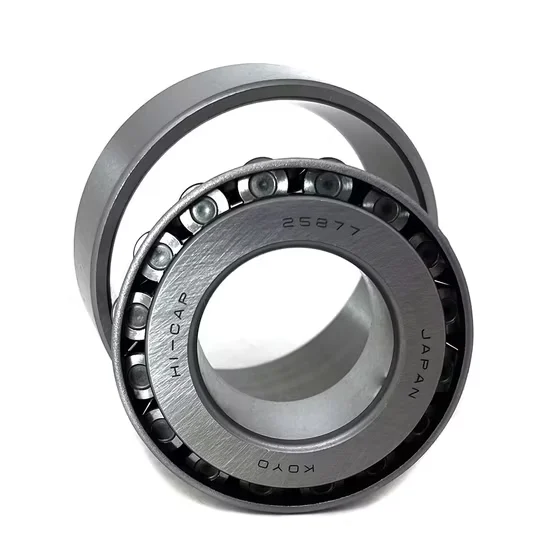
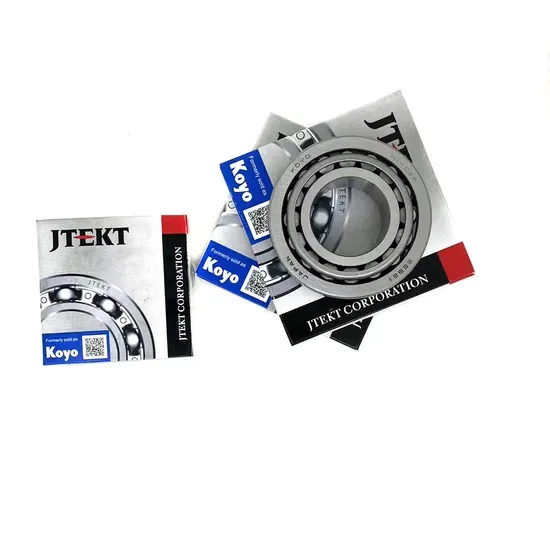
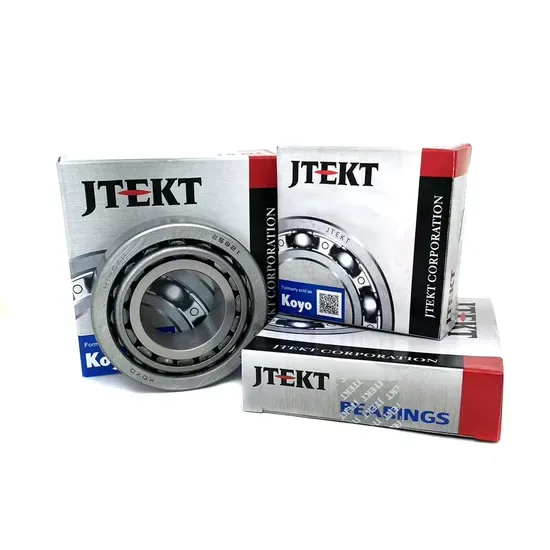
Buying cheap bearings is the most expensive mistake a woodworking machine builder can make.
Genuine Koyo bearings are critical for high-speed spindle stability in woodworking machines, and strict traceability is the only safeguard against catastrophic counterfeit failures. When sourcing for CNC routers or industrial planers, the priority must be verifying the supply chain lineage rather than comparing unit prices. Without full documentation from trusted global suppliers, the risk of integrating fake components that fail under thermal load becomes unacceptably high.
I still remember the silence in our assembly workshop in Dongguan. It was not the quiet of focus, but the heavy silence of a production line that had just stopped. We had exported a batch of CNC edge banders to Vietnam, equipped with what we thought were standard deep groove ball bearings. The purchase order looked correct, the packaging seemed authentic, and the price was attractive. Three months later, the phones started ringing. Every single machine had suffered spindle seizure. The bearings had not just worn out; they had disintegrated under the continuous high-speed rotation required for wood routing. The cost of return shipping, rework, and lost reputation far exceeded any savings we had made on the initial procurement. That failure taught me that in high-speed woodworking applications, a bearing is not just a component; it is the heart of the machine. Since then, I have refused to handle any inventory that cannot be traced back to the manufacturer’s original distribution channel.
The market is flooded with look-alikes. For buyers seeking Koyo Bearings in Woodworking Machines, the challenge is not availability but authenticity. This guide details how to identify genuine products, understand the technical requirements for woodworking spindles, and secure a supply chain that protects your brand’s reputation.
Why Counterfeit Bearings Destroy High-Speed Spindles
High-speed failure in woodworking machinery is rarely a design flaw; it is almost always a traceability gap in the supply chain.
Woodworking spindles operate under unique stress conditions. Unlike low-speed industrial gearboxes, a CNC router spindle may rotate at speeds exceeding 15,000 RPM while cutting dense hardwoods. This generates significant internal heat. Genuine bearings are engineered with specific cage designs, lubrication channels, and steel purity levels to dissipate this heat. Counterfeit units often use inferior steel with higher inclusion counts and improper heat treatment. Under load, these microscopic impurities become fracture points.
When a fake bearing fails, it does not do so gradually. It tends to seize suddenly, causing the spindle motor to draw excessive current, trip breakers, or even burn out the drive system. The damage extends beyond the bearing itself. A seized spindle can warp the shaft, damage the tool holder, and ruin the workpiece. For an OEM, this means warranty claims that eat into margins. For a distributor, it means losing customers who blame the entire machine for the failure of a single small part.
Many buyers assume that if the outer ring fits and the inner ring spins, the bearing is functional. This is a dangerous misconception. The critical performance metrics—such as running accuracy, vibration levels, and thermal stability—are invisible to the naked eye. Only bearings produced under strict quality control systems, like those from established brands, can guarantee these parameters. When you source genuine Koyo spindle bearings, you are buying the assurance that the steel has been vacuum degassed, the races have been ground to precise tolerances, and the assembly has been cleaned to remove particulate matter that could cause premature wear.
Selecting the Right Precision Class for CNC Routers
Not all bearings are created equal, and using the wrong precision class for high-speed routing leads to vibration and poor surface finish.
In woodworking machinery, especially CNC routers and machining centers, the choice of bearing precision is critical. Standard commercial grades may suffice for conveyor rollers or low-speed fans, but they are inadequate for spindles. The industry standard for high-speed spindles typically requires P6 or P5 precision classes. These grades ensure tighter dimensional tolerances and lower runout, which directly translates to smoother cutting action and longer tool life.
| Feature | Standard Commercial Grade | P6/P5 Precision Grade (Recommended for Spindles) |
|---|---|---|
| Dimensional Tolerance | Loose | Tight |
| Running Accuracy | Moderate | High |
| Vibration Level | Noticeable | Minimal |
| Suitability for High RPM | Poor | Excellent |
| Heat Generation | Higher due to friction | Lower due to precise fit |
Using KOYO deep groove ball bearings for CNC routers requires attention to these specifications. A P6 class bearing ensures that the internal clearance is optimized for the thermal expansion that occurs during prolonged operation. If the clearance is too tight, the bearing will overheat and seize. If it is too loose, the spindle will vibrate, leading to chatter marks on the wood surface and accelerated wear on the cutting tools.
I once consulted with a European furniture manufacturer who was experiencing inconsistent cut quality on their new panel saws. They had sourced bearings based solely on part numbers, ignoring the precision suffix. Upon inspection, we found they had installed standard grade bearings instead of the specified P6 class. The slight increase in runout was enough to cause visible vibration at operating speeds. Switching to the correct precision grade resolved the issue immediately, restoring the smooth finish their clients expected. This highlights the importance of technical selection support when sourcing woodworking machinery bearing suppliers.
Verifying Authenticity Through Documentation
If a supplier cannot provide complete traceability documents, the bearings are likely counterfeit, regardless of the packaging.
The most effective way to protect your business from fake bearings is to demand proof of origin. Genuine products come with a paper trail that links the item back to the manufacturer. This includes original packing lists, certificates of conformity, and import/export documentation that matches the batch numbers on the boxes.
Many counterfeiters have become sophisticated in replicating packaging. They copy logos, holograms, and even QR codes. However, they cannot forge the complex logistics history of a genuine product. When evaluating potential partners, ask for sample documentation before placing a bulk order. Check if the batch numbers on the certificate match those on the physical product. Verify that the supplier is an authorized distributor or has a proven track record of sourcing from legitimate channels.
A common pitfall is buying from traders who mix genuine and fake stock. They might send a few genuine samples to win your trust, then fill the main order with counterfeits. To avoid this, work with suppliers who specialize in full-container consolidation and have a reputation for consistency. My approach has always been to maintain a transparent chain of custody. Every shipment of Koyo Bearings in Woodworking Machines we handle is accompanied by the original factory paperwork. This allows our clients to verify authenticity independently, giving them confidence when selling to their own end-users.
For distributors in regions like the Middle East, Africa, or Southeast Asia, where local verification resources may be limited, this documentation is invaluable. It serves as a shield against customer complaints and provides a basis for technical support if issues arise. Remember, the cost of verifying authenticity is negligible compared to the cost of handling returns and repairing damaged machinery.
Optimizing MRO Procurement for Woodworking Facilities
Consolidating mixed-brand MRO orders reduces logistical complexity and ensures consistent quality across all maintenance replacements.
Maintenance, Repair, and Operations (MRO) for woodworking facilities involves a wide range of components. Beyond spindles, machines use bearings in gearboxes, conveyors, fans, and feed rollers. Sourcing these parts from multiple vendors creates administrative burden and increases the risk of receiving substandard items. A better strategy is to consolidate these orders with a single reliable supplier who can provide a full spectrum of genuine brands.
By combining orders for different bearing types—such as spherical roller bearings for heavy loads and needle bearings for compact spaces—you can achieve better pricing and streamlined shipping. This approach also simplifies inventory management. Instead of dealing with five different suppliers, each with their own lead times and quality standards, you work with one partner who understands your technical requirements.
For example, a large woodworking plant might need to replace bearings in a dozen different machines during a scheduled shutdown. Ordering Koyo Bearings in Woodworking Machines alongside other necessary components from a single source ensures that all parts arrive together, minimizing downtime. It also allows for cross-brand technical consultation. If a specific Koyo model is unavailable, a knowledgeable supplier can recommend a suitable equivalent from another premium brand like SKF or NSK, ensuring the machine stays operational without compromising on quality.
This consolidation strategy is particularly beneficial for distributors who serve multiple small workshops. By offering a one-stop solution, you add value beyond just the product. You become a technical partner who helps your clients keep their operations running smoothly. The key is to ensure that every item in the consolidated shipment, regardless of brand, meets the same high standard of authenticity and performance.
Conclusion
Authenticity is not a luxury; it is a fundamental requirement for reliable woodworking machinery.
Sourcing Koyo Bearings in Woodworking Machines requires a disciplined approach focused on traceability and technical precision. By prioritizing genuine products with verifiable documentation, selecting the correct precision classes for high-speed applications, and consolidating MRO procurement, buyers can avoid the costly pitfalls of counterfeit components. The goal is not just to buy bearings, but to secure the performance and reputation of the machines they power. Trustworthy suppliers who offer transparency and technical expertise are essential partners in this process.