Standard clearance bearings do not fail in plastic extruders because of excessive load; they fail because thermal expansion causes the inner ring to seize.
Selecting genuine Koyo bearings in plastic machines requires matching internal clearance to operating temperature and prioritizing structural rigidity over ultra-high precision for clamping units. For high-temperature screw sections, C3 clearance is mandatory to accommodate thermal growth, while injection molding clamping mechanisms demand robust radial load capacity rather than micron-level tolerance grades. Verifying authenticity through traceability documentation prevents counterfeit-induced downtime that can halt entire production lines.
The distinction between a smooth-running extruder and a seized spindle often comes down to a fraction of a millimeter of internal space. When I inspected a batch of plastic extrusion equipment destined for Riyadh, the initial trial run resulted in immediate spindle overheating. The bearings had been installed with standard clearance, which proved insufficient once the machine reached its operational temperat*ting all running clearance and leading to catastrophic seizure. This incident reinforced a critical lesson: in plastic processing, thermal dynamics dictate bearing selection more than mechanical load alone.
Why Do KOYO Bearings Fail in Plastic Extruders?
Thermal expansion and incorrect clearance selection are the primary causes of spindle seizure in high-temperature extrusion environments.
Plastic extruders operate in conditions where heat is not just a byproduct but a functional requirement. The screw section, which melts and conveys polymer material, generates significant thermal energy that transfers directly to the supporting bearings. If the bearing internal clearance is not selected to account for this heat, the components will expand until they lock up. Standard clearance bearings, suitable for general industrial applications at ambient temperatures, become a liability in these zones.
The failure mode is rarely due to the bearing being unable to handle the radial or axial loads imposed by the screw. Instead, it is a geometric issue. As the shaft heats up, it expands radially. If the bearing’s internal clearance (the space between the rolling elements and the raceways) is too tight, this expansion eliminates the necessary gap for rotation. The result is friction, rapid temperature rise, and eventual seizure.
| Operating Zone | Thermal Condition | Recommended Clearance | Failure Risk with Standard Clearance |
|---|---|---|---|
| Screw Section | High Temperature | C3 | Inner ring seizure due to thermal expansion |
| Gearbox Input | Moderate Temperature | Standard (CN) | Minimal risk if cooled properly |
| Motor End | Low Temperature | Standard (CN) | Low risk |
Using Koyo bearings for plastic extruders with C3 clearance provides the necessary additional internal space to accommodate this thermal growth. C3 clearance is greater than standard, allowing the bearing to remain loose enough to rotate freely even when the shaft has expanded. This is not a matter of preferring a “looser” fit for performance reasons; it is a physical necessity to prevent metal-to-metal contact under heat.
A common misconception is that tighter tolerances always equal better performance. In extruder spindles, precision regarding dimensional accuracy is important, but internal clearance management is paramount. A highly precise bearing with insufficient clearance will fail faster than a standard-precision bearing with adequate C3 clearance. The key is ensuring that the KOYO spherical roller bearings plastic machinery specifications align with the thermal profile of the specific extruder zone.
How to Select KOYO Bearings for Injection Molding Clamping Units?
Prioritize rigidity and load capacity over ultra-high precision for clamping unit applications.
Injection molding machines differ significantly from extruders in their bearing requirements. The clamping unit, which holds the mold halves together under immense pressure during injection, subjects bearings to heavy radial and axial loads. Unlike the continuous rotation of an extruder screw, the clamping mechanism involves high-force static holding and slow, powerful movement. Here, the primary concern is not thermal expansion but structural rigidity and fatigue life.
High-precision grades such as P4 or P2 are often requested by buyers who assume that higher precision equals longer life. However, for clamping units, these ultra-high precision grades offer negligible benefit while significantly increasing cost. The loads involved are so substantial that minor geometric deviations are irrelevant compared to the need for robust load-carrying capacity. What matters is the dynamic load rating (C) relative to the equivalent load (P) applied during the clamping cycle.
C3 clearance bearings injection molding applications may still be relevant if the clamping unit operates in a warm environment or if there is significant heat transfer from the hydraulic system or barrel. However, the focus should remain on the bearing’s ability to withstand shock loads and maintain alignment under pressure. Spherical roller bearings are frequently chosen for their self-aligning capabilities, which compensate for any misalignment in the heavy-duty frame structure.
When selecting Koyo bearings in plastic machines for clamping, verify the basic dynamic load rating against the maximum clamping force. Ensure that the bearing housing provides sufficient support to prevent deformation under load. The goal is to prevent premature wear caused by edge loading or fatigue spalling, which occurs when the bearing is overloaded rather than when it is slightly imprecise.
| Selection Criteria | Clamping Unit Priority | Extruder Screw Priority |
|---|---|---|
| Internal Clearance | Standard or C3 (if hot) | C3 Mandatory |
| Precision Grade | Normal (P0) or P6 | P6 or P5 |
| Load Capacity | High Dynamic Rating | Moderate to High |
| Key Feature | Rigidity & Self-alignment | Thermal Accommodation |
This approach avoids the pitfall of over-engineering the precision aspect while under-engineering the load capacity. A case involving a European molder demonstrated that switching from P4 precision bearings to robust P6 spherical roller bearings with appropriate load ratings extended the service life of the clamping unit noticeably. The reduction in unplanned downtime was substantial, proving that correct application engineering outweighs raw precision specs.
How to Verify Genuine KOYO Bearings for Plastic Machinery?
Traceability documentation and official channel verification are essential to prevent counterfeit-induced production halts.
The market for industrial bearings is flooded with counterfeit products that mimic the packaging and appearance of genuine brands. For plastic machinery operators, the cost of a fake bearing is not just the price of the part but the potential loss of an entire production batch due to unexpected failure. Counterfeit bearings often use inferior steel, lack proper heat treatment, and have inconsistent internal clearances, making them prone to early failure under the demanding conditions of plastic processing.
Verifying the authenticity of Koyo bearings in plastic machines requires more than visual inspection. Genuine products come with complete traceability documentation, including batch numbers and manufacturing dates that can be verified with the manufacturer. When sourcing, insist on seeing these documents before shipment. Reputable suppliers maintain direct links to the manufacturer’s distribution network, ensuring that every unit sold is authentic and trackable.
Supply chain delays are often exacerbated by the discovery of counterfeit parts after installation. A buyer in Southeast Asia recently faced a multi-week delay when a batch of suspected fake bearings failed during commissioning. The time required to source replacements, ship them, and reinstall them halted production completely. This scenario highlights the importance of sourcing from suppliers who prioritize authenticity and provide full documentation.
When evaluating suppliers, look for those who offer technical selection support alongside sales. A supplier who understands the difference between C3 clearance needs for extruders and rigidity requirements for clamping units is more likely to source the correct, genuine product. They should be able to provide cross-brand equivalent model consultation if specific KOYO bearings for plastic extruders are unavailable, ensuring that the replacement meets the same technical standards.
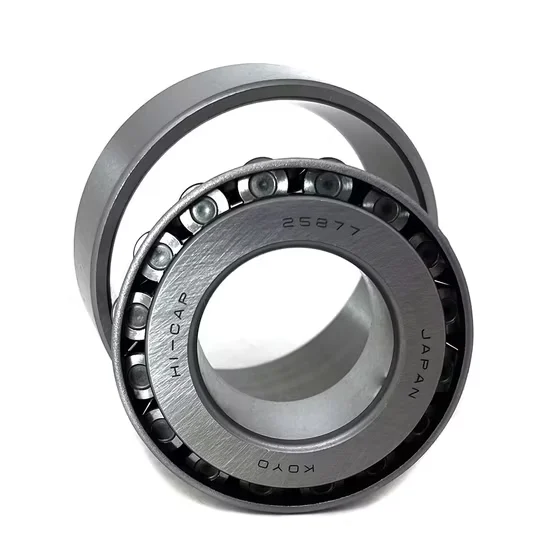
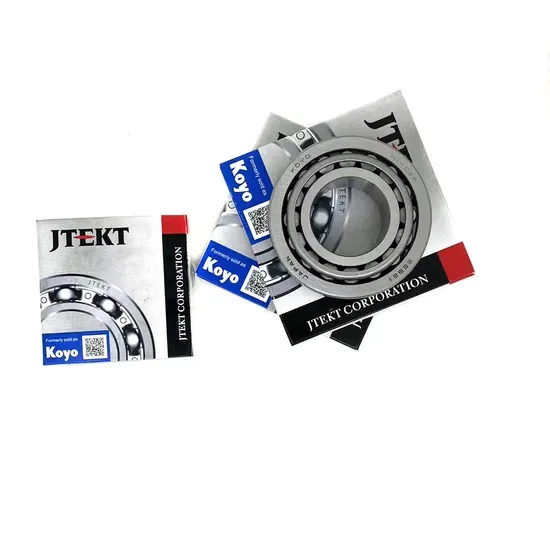
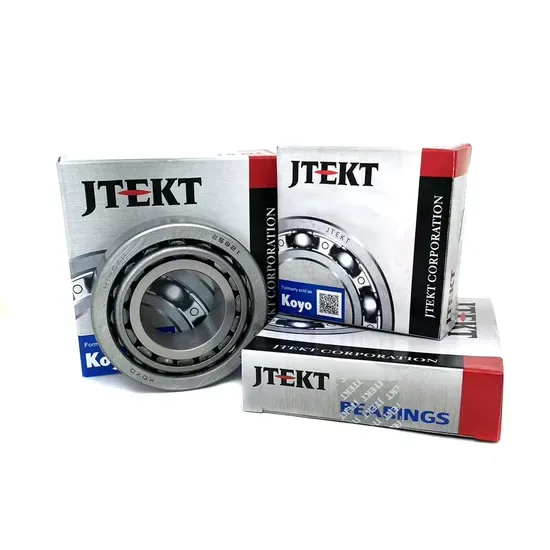
The risk of counterfeit parts is particularly high for popular models used in plastic machinery. Always verify the supplier’s authorization status and request sample inspections for large orders. Check for consistency in packaging quality, marking clarity, and surface finish. Genuine KOYO spherical roller bearings plastic machinery components exhibit high-quality finishing and precise marking, whereas counterfeits often show signs of poor craftsmanship.
Conclusion
Correct bearing selection prevents thermal failure and costly downtime in plastic machinery operations.
Choosing the right Koyo bearings in plastic machines involves understanding the specific thermal and mechanical demands of each application. Extruders require C3 clearance to handle heat, while clamping units need rigidity and load capacity. Verifying authenticity through traceable supply chains ensures reliability and protects against the severe consequences of counterfeit failures.