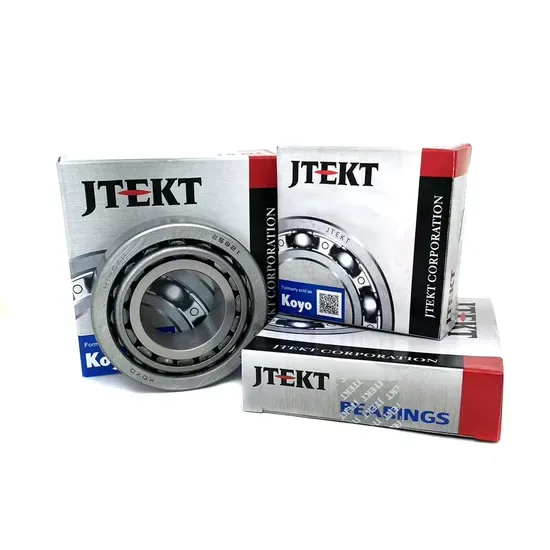
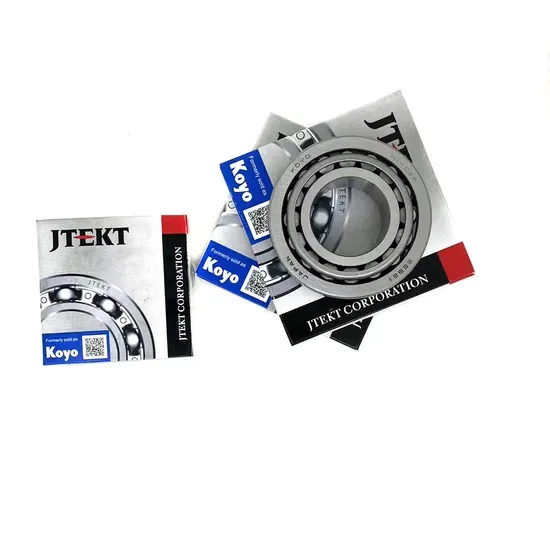
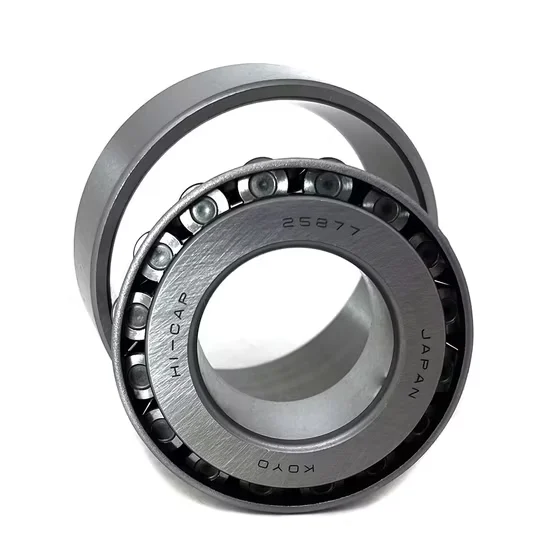
Most bearing failures in sugar mills are not caused by poor lubrication, but by micro-fractures in counterfeit cages under heavy shock loads.
Sugar mills demand heavy-duty Koyo spherical roller bearings that can withstand extreme heat, humidity, and continuous shock loads during cane crushing. The only way to prevent catastrophic downtime is to source genuine components with strict original traceability documentation, ensuring the bearing meets the dynamic load ratings required for high-temperature operations.
The humid air in a Brazilian sugar mill feels different. It carries the scent of crushed cane and the metallic tang of overheated steel. I stood next to a crushing line that had stopped unexpectedly during peak harvest season. The maintenance team was frantic, pointing at a shattered bearing housing. They blamed the grease. They blamed the operators. But when I picked up the fragments of the failed spherical roller bearing, the truth was in the jagged edges of the cage. It wasn’t a lubrication issue. It was a material failure. The cage had fractured under shock load because it was made from inferior steel, not the high-grade material specified by the manufacturer. This was not a genuine part. That single component cost the mill far more than the price difference between a fake and a real bearing. It cost them days of production, penalty fines for delayed delivery, and a reputation hit with their buyers. This experience reshaped how I view procurement. In heavy industry, especially in environments as punishing as sugar processing, the lowest unit price is often the most expensive decision you can make.
Why Do Sugar Mills Demand Heavy-Duty Koyo Bearings?
Cane crushing generates extreme shock loads and high temperatures that standard bearings cannot survive.
The process of extracting juice from sugarcane is violent. Rollers crush fibrous stalks with immense pressure, creating irregular shock loads that travel through the shafts and into the bearings. Unlike steady-state applications like electric motors, sugar mill bearings face sudden spikes in force. If a bearing is not designed to handle these shocks, the rolling elements will dent the raceways, leading to premature fatigue and failure.
Heat is another enemy. The friction from crushing, combined with the ambient tropical heat, pushes operating temperatures well beyond normal ranges. Standard seals harden and crack, allowing contaminated juice and bagasse dust to enter the bearing chamber. Once inside, this abrasive mixture acts like grinding paste, destroying the precision surfaces of the rollers and races.
Koyo bearings are engineered to handle these specific challenges. Their spherical roller designs allow for misalignment compensation, which is critical when heavy loads cause shaft deflection. The internal geometry is optimized to distribute stress evenly, reducing the risk of localized fatigue. But this performance is only guaranteed if the bearing is genuine. Counterfeit parts often use lower-grade steel that lacks the necessary toughness. Under the same shock loads, a fake bearing will develop micro-cracks that propagate quickly, leading to sudden collapse.
Selecting the right bearing involves more than just matching dimensions. It requires understanding the specific load profile of the crushing line. Engineers must calculate the equivalent dynamic load, accounting for both radial and axial forces. In sugar mills, this often means choosing bearings with higher load ratings than those used in similar-sized industrial fans or pumps. The goal is to ensure the bearing survives the entire harvest season without needing replacement.
Which Koyo Bearing Types Excel in Sugar Mill Applications?
Spherical roller bearings and sealed variants dominate the crushing and conveyor lines due to their self-aligning capabilities and contamination resistance.
Not all bearings are created equal. In a sugar mill, the application dictates the type. The crushing rolls, which bear the brunt of the mechanical stress, require spherical roller bearings. These bearings can accommodate angular misalignment caused by shaft deflection under heavy load. Without this self-aligning feature, the bearing would experience edge loading, leading to rapid wear and failure.
Conveyor systems, which transport the crushed cane and bagasse, operate in a dusty, wet environment. Here, sealed bearings are essential. Open bearings allow contaminants to enter freely, while sealed units protect the internal components. Koyo offers various sealing options, including rubber seals that provide effective protection against moisture and particulate matter.
| Application Area | Recommended Bearing Type | Key Feature | Contamination Risk |
|---|---|---|---|
| Crushing Rolls | Spherical Roller Bearings | Self-aligning, high shock load capacity | High (vibration, misalignment) |
| Conveyors | Sealed Spherical/Cylindrical | Integrated seals, moisture resistance | Very High (dust, juice spray) |
| Pumps & Motors | Deep Groove Ball Bearings | High speed, low friction | Moderate (ambient dust) |
| Gearboxes | Cylindrical/Tapered Roller | Precise alignment, high radial/axial load | Low (enclosed housing) |
The table above highlights the typical distribution. Notice how the crushing rolls demand the highest level of robustness. This is where Koyo spherical roller bearings shine. Their robust cage design and optimized roller profile ensure stable operation even under severe conditions.
However, selecting the right type is only half the battle. Ensuring that the bearing is genuine is equally critical. A sealed bearing with a fake seal will fail just as quickly as an open one. The seal material must be compatible with the operating temperature and resistant to the chemical properties of cane juice. Genuine Koyo seals are tested for these specific conditions, whereas counterfeit versions often use generic rubber that degrades rapidly.
When sourcing these components, buyers must look for specific design features. For example, the cage material should be capable of withstanding high temperatures without losing strength. Steel cages are common in heavy-duty applications, but their quality varies significantly between genuine and fake products.
How to Verify Genuine Koyo Bearings and Avoid Counterfeits?
Traceability documents and batch consistency are the only shields against fake parts.
The market is flooded with counterfeit bearings. They look similar, have similar packaging, and even carry similar logos. But inside, they are vastly different. Verifying authenticity requires a rigorous approach. It is not enough to trust the supplier’s word. You need proof.
The first step is to request traceability documentation. Genuine Koyo bearings come with certificates that link the product back to the manufacturing batch. These documents include details such as the production date, factory code, and quality inspection records. If a supplier cannot provide these documents, or if the documents look altered, walk away.
Batch consistency is another indicator. Genuine bearings from the same batch will have consistent markings, packaging, and physical characteristics. Counterfeit batches often show variations in font size, logo placement, or packaging quality. Inspecting a sample from the batch can reveal these discrepancies.
I once dealt with a buyer in Southeast Asia who received a shipment of bearings that looked perfect. The boxes were pristine, the logos were sharp. But when we checked the traceability codes, they did not match the manufacturer’s database. The supplier claimed it was a “parallel import” from a different region. In reality, they were high-quality fakes. The buyer avoided installing them, saving themselves from a potential disaster. This incident highlights the importance of verifying documents before accepting delivery.
Another method is to check the physical attributes. Genuine bearings have smooth, precise surfaces. The rollers are uniform in size and shape. Counterfeit bearings often have rough finishes, uneven rollers, or poorly machined raceways. Using simple tools like micrometers and surface roughness testers can help identify these flaws. However, this requires expertise. For most buyers, relying on traceability documents and reputable suppliers is the safest approach.
What Are the Hidden Costs of Non-Genuine Bearings in Sugar Mills?
Unplanned downtime and penalty fines during the harvest season destroy profit margins.
The initial savings from buying cheaper, non-genuine bearings are illusory. The real cost comes from failure. When a bearing fails in a sugar mill, it does not just stop a machine. It stops the entire production line. During harvest season, time is money. Every hour of downtime means lost revenue.
Consider the case of a mill in Latin America. They saved a small percentage on bearing costs by switching to a non-genuine supplier. Mid-season, a main crushing roll bearing failed. The line stopped for two days while they sourced a replacement. The lost production value was many times the amount they had saved on the bearings. Additionally, they faced penalty fines from their customers for delayed sugar delivery.
Beyond direct financial losses, there are reputational risks. Customers expect reliable supply. Frequent breakdowns signal poor management and unreliable operations. This can lead to lost contracts and reduced market share.
There are also safety concerns. A catastrophic bearing failure can cause damage to other equipment, posing a risk to workers. Repairing damaged housings, shafts, and gears is expensive and time-consuming. The cost of a single major repair can exceed the annual budget for genuine bearings.
To avoid these hidden costs, mills must prioritize quality over price. This means working with suppliers who can guarantee authenticity. It means investing in proper maintenance and monitoring. It means understanding that a bearing is not just a component, but a critical element of the production system.
Sourcing genuine Koyo bearings for sugar mills requires a partner who understands these risks. We provide complete traceability documentation for every unit, ensuring that you know exactly what you are getting. Our flexible MOQ allows you to order mixed batches for seasonal overhauls, reducing inventory costs while maintaining readiness. We consolidate shipments globally, ensuring that urgent replacements reach you before the harvest peaks. This is not just about selling bearings. It is about protecting your production.
Conclusion
Genuine Koyo bearings are an investment in reliability, not just a purchase.
In the harsh environment of a sugar mill, there is no room for compromise. Heavy-duty spherical roller bearings must withstand extreme shock loads and high temperatures. Counterfeit parts pose a significant risk of catastrophic failure, leading to unplanned downtime and financial loss. By prioritizing traceability and working with reputable suppliers, mills can ensure continuous operation and protect their profit margins.