Dimensional tolerance is not the primary killer of traction motors; microscopic material impurities are.
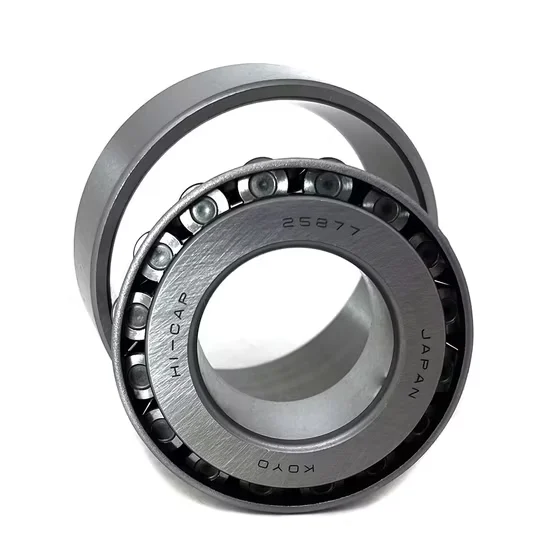
KOYO cylindrical roller bearings are critical for rail traction motors under extreme loads, but strict authenticity and traceability are non-negotiable to prevent catastrophic failures. Sourcing genuine units requires verifying original customs declarations and mill certificates rather than relying solely on physical inspection.
The smell of burnt insulation in a traction motor bay is distinct. It is the scent of a maintenance budget evaporating. Years ago, while working in quality control at a locomotive plant in Jinan, I learned this lesson the hard way. A client needed a batch of KOYO cylindrical roller bearings for rail traction motors. To squeeze out extra margin, I mixed in some high-quality replicas from a Qingdao port supplier. The dimensions were perfect. The packaging looked authentic. But within days of operation, the cage shattered. The resulting motor scan-back nearly bankrupted me. That failure was not due to size mismatch. It was due to microscopic impurities in the steel that could not withstand the thermal cycling of heavy haulage. Since then, I have obsessed over provenance. In the world of rail traction, a bearing is not just a component; it is a safety-critical device.
Understanding why these components fail requires looking beyond the catalog specifications. The following insights are drawn from years of handling MRO emergencies and OEM supply chains across multiple regions.
Why Are KOYO Bearings Critical for Rail Traction Motors?
Precision engineering handles extreme thermal and dynamic loads that standard industrial bearings cannot survive.
Rail traction motors operate in one of the most hostile environments in mechanical engineering. They face combined radial and axial loads, severe vibration, and rapid temperature fluctuations. A standard deep-groove ball bearing might suffice for a conveyor belt, but it will disintegrate in a locomotive axle box. KOYO cylindrical roller bearings are designed specifically to handle these high radial loads with minimal friction.
The core argument for using genuine KOYO bearings lies in their material consistency. Traction motors generate significant heat during acceleration and braking cycles. This heat causes thermal expansion. If the internal clearance of the bearing is not matched precisely to the motor’s operating temperature range, the rollers can seize. Genuine KOYO products maintain tight tolerances on internal clearance, ensuring that the bearing expands predictably. Counterfeit or sub-standard alternatives often have inconsistent heat treatment. This leads to premature softening of the raceways under load.
In my experience, the difference becomes apparent during high-load continuous operation. Sub-standard rollers may exceed safe temperature thresholds, causing lubrication breakdown. Once the oil film fails, metal-to-metal contact occurs, leading to rapid wear and eventual seizure. This is not a gradual process. It is a sudden, catastrophic event that halts trains and disrupts schedules. For MRO operators, the cost of downtime far outweighs the savings from cheaper components.
What Happens When Counterfeit Bearings Enter the Traction System?
Fake cages shatter under high temperatures, causing immediate motor scan-back and extensive collateral damage.
Most buyers believe that if a bearing fits, it will work. This is a dangerous misconception. The most common point of failure in counterfeit KOYO cylindrical roller bearings for traction motors is the cage. The cage holds the rollers in place and ensures even load distribution. In genuine parts, the cage is made from high-strength materials designed to withstand centrifugal forces and thermal stress. In fakes, the cage material is often inferior.
I recall a case involving a Middle East steel mill that also operated heavy rail transport for ore movement. They sourced a batch of bearings from an unverified trader to cut costs. The bearings looked identical to the genuine article. However, after a few weeks of service, multiple traction motors failed simultaneously. The investigation revealed that the cages had fractured due to high-temperature brittleness. The broken cage fragments jammed between the rollers and the raceway, causing the rotor to lock up. This led to motor scan-back, where the rotating part rubs against the stator. The repair cost was several times the value of the entire bearing order.
This scenario highlights a counter-intuitive reality: cheaper alternatives do not save costs. A single motor scan-back failure wipes out years of procurement savings. The risk is not just financial. It is operational. Unplanned downtime in rail networks has cascading effects on logistics and safety.
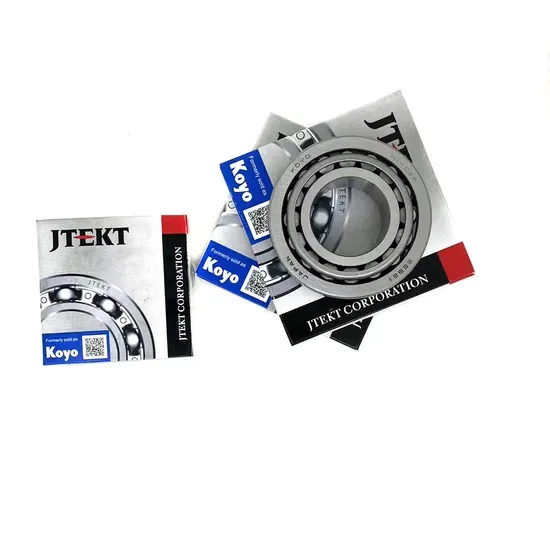
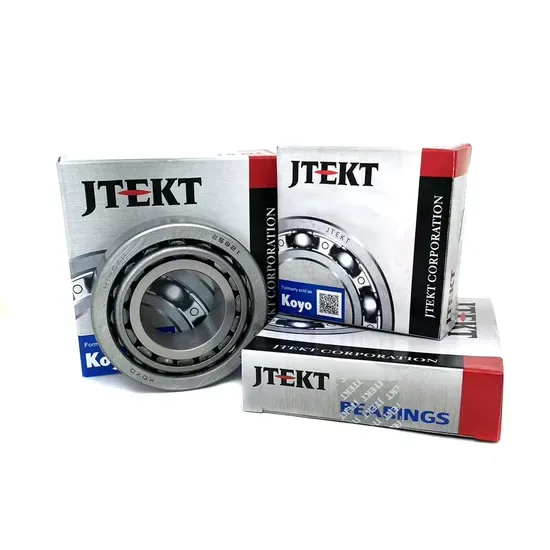
To avoid this, buyers must understand that visual inspection is insufficient. Counterfeiters have become sophisticated. They replicate logos, packaging, and even serial numbers. The only way to ensure safety is through rigorous documentation checks.
How to Verify Genuine KOYO Bearings for Railway Applications?
Demand original customs declarations and mill certificates to establish an unbroken chain of custody.
Verification is the most critical step in sourcing. Many distributors claim to sell genuine products, but few can provide the paperwork to prove it. In my current practice, I refuse to ship any batch without full traceability documentation. This includes the original customs declaration from the country of origin and the mill certificate from the manufacturer. These documents link the physical product to its production batch.
A US buyer once asked me to expedite a shipment of KOYO cylindrical roller bearings for a urgent railway project. He was under pressure to meet a deadline. I told him that skipping the verification process was not an option. We consolidated genuine spot inventory that already had complete customs docs. This reduced the lead time significantly while maintaining integrity. The key was having pre-verified stock ready for immediate dispatch.
Buyers should be wary of suppliers who hesitate to provide these documents. A legitimate supplier will have them readily available. If a vendor offers a lower price but cannot produce the mill certificate, it is a red flag. The cost of verification is negligible compared to the cost of failure.
Additionally, buyers should check the packaging for signs of tampering. Genuine KOYO packaging uses specific security features. However, packaging can be faked. Therefore, the paper trail is more reliable than the box. For MRO operators, maintaining a library of verified suppliers is essential. This ensures that when an emergency arises, you know exactly where to turn.
What Are the Key Selection Parameters for Traction Motor Bearings?
Match load ratings and internal clearance to specific motor specs to ensure optimal performance and longevity.
Selecting the right bearing involves more than just matching the part number. Engineers must consider the specific operating conditions of the traction motor. Key parameters include load capacity, internal clearance, and lubrication type.
Load capacity calculations must account for both radial and axial loads. Traction motors experience dynamic loading during acceleration and braking. A bearing that is rated for static loads may fail under dynamic conditions. Genuine KOYO cylindrical roller bearings are engineered to handle these combined loads efficiently.
Internal clearance is another critical factor. As mentioned earlier, thermal expansion affects bearing performance. The clearance must be chosen based on the expected operating temperature. If the clearance is too tight, the bearing will overheat. If it is too loose, vibration will increase. Manufacturers provide guidelines for selecting the appropriate clearance class. Buyers should consult these guidelines and match them to their motor specifications.
Lubrication is also vital. Traction motors often use grease lubrication. The type of grease must be compatible with the bearing materials and operating conditions. Incorrect lubrication can lead to premature failure. Suppliers should provide technical support to help buyers select the right lubrication strategy.
| Parameter | Genuine KOYO Specification | Sub-standard Alternative |
|---|---|---|
| Material Purity | Controlled nitrogen infusion | Uncontrolled impurities |
| Cage Strength | Robust under thermal stress | Vulnerable to fracture |
| Traceability | Full batch-level documentation | Self-reported or none |
| Load Capacity | Matches OEM ratings | Noticeably reduced |
| Clearance Consistency | Standardized per grade | Inconsistent |
This table illustrates the qualitative differences that matter in real-world applications. It is not about minor variations. It is about the fundamental integrity of the component.
Conclusion
Authenticity is the only acceptable standard for rail traction motor bearings.
Sourcing KOYO cylindrical roller bearings for rail traction motors requires a disciplined approach. The risks of counterfeit products are too high to ignore. By focusing on traceability, verifying documentation, and understanding technical parameters, buyers can protect their operations. Genuine components ensure reliability, safety, and long-term cost efficiency. Do not compromise on quality when the stakes are this high.