Most spindle failures in high-speed spinning frames are not caused by lubrication issues, but by microscopic dimensional deviations in counterfeit bearings.
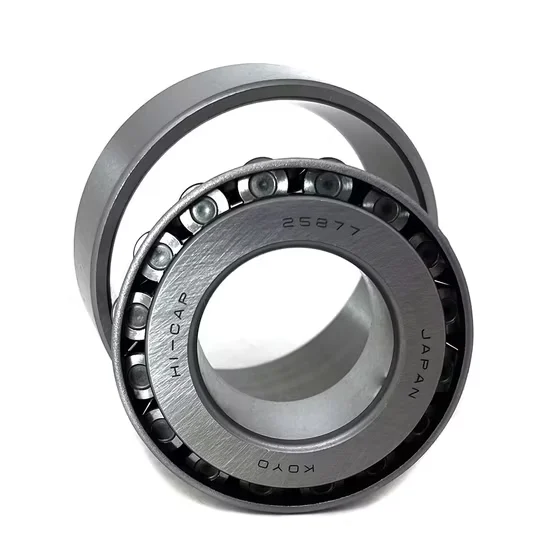
Genuine KOYO bearings are critical for maintaining the structural integrity and rotational precision of spinning frames. Selecting the correct specification and verifying authenticity through strict traceability documentation prevents catastrophic downtime caused by inner ring discoloration and cage fragmentation. For textile mills and regional distributors, sourcing genuine KOYO bearings for spinning frames requires a partner who can provide mixed-batch consolidation with verifiable factory certificates, ensuring that every unit meets the dynamic load ratings required for continuous high-RPM operations.
The hum of a spinning frame is distinct. It is a high-pitched, consistent frequency that signals production health. When that sound changes to a irregular grind or sudden silence, the cost is immediate. I recall a specific incident at a textile facility in Vietnam where an entire production line halted for days. The culprit was not a mechanical design flaw or operator error, but a batch of bearings that looked identical to the genuine article. Upon disassembly, the inner rings were blackened from excessive heat, and the cages had shattered into fragments. This was not a case of poor maintenance. It was a case of microscopic imbalance caused by counterfeit components that could not withstand the high-speed thermal limits of the application.
Why KOYO Bearings Dominate High-Speed Spinning Frames?
Superior material fatigue resistance and precision engineering make genuine KOYO bearings the standard for continuous high-RPM textile operations.
Spinning frames operate under extreme conditions. The spindles rotate at speeds that generate significant centrifugal force and heat. In this environment, the bearing is not just a rotating component; it is the heart of the yarn formation process. Genuine KOYO bearings are engineered with high-purity steel and advanced heat treatment processes that ensure consistent hardness and dimensional stability.
The difference becomes apparent when comparing genuine units to lower-quality alternatives. Counterfeit or substandard bearings often suffer from inconsistent grain structure in the steel. Under the high dynamic loads of a spinning frame, these inconsistencies lead to premature fatigue. The result is not just a worn bearing, but a catastrophic failure that can damage the spindle shaft and halt production.
| Feature | Genuine KOYO Bearing | Counterfeit/Substandard Alternative |
|---|---|---|
| Material Purity | Controlled inclusion density for extended fatigue life | Uncontrolled impurities leading to early crack initiation |
| Dimensional Tolerance | Micron-level precision for smooth high-speed rotation | Noticeable deviations causing vibration and heat buildup |
| Cage Integrity | Robust design resistant to centrifugal fragmentation | Vulnerable to deformation and breakage at high RPM |
| Traceability | Full batch-level documentation with factory certificates | Self-reported or no provided origin verification |
For MRO managers, the choice is clear. The initial cost savings of a non-genuine bearing are negligible compared to the cost of a single hour of downtime. Genuine KOYO bearings for spinning frames provide the reliability needed to keep the frames running smoothly, shift after shift.
How to Select the Right KOYO Bearing for Spindle Applications?
Matching load ratings, clearance, and cage materials to specific yarn counts and spindle speeds is essential for optimal performance.
Not all bearings are created equal, even within the same brand. Selecting the right KOYO bearing for a spinning frame requires a detailed understanding of the application parameters. The wrong clearance can lead to excessive heat generation, while an inappropriate cage material can fail under the specific chemical exposure of certain textile environments.
The selection process begins with identifying the operational speed and load. High-count yarn spinning requires higher spindle speeds, which demands bearings with superior dynamic balance and lower friction. Deep groove ball bearings are commonly used, but the specific series and internal clearance must match the manufacturer’s specifications for the spinning frame model.
Consider the case of a mill in South Asia that upgraded its spinning frames to produce finer yarn counts. The increased speed led to frequent bearing failures. The issue was not the brand, but the clearance class. The original bearings had a standard clearance, but the higher speeds required a tighter tolerance to maintain stability. Switching to the correct KOYO deep groove ball bearings for yarn spinning with the appropriate clearance resolved the issue, extending service life meaningfully.
When sourcing, it is crucial to consult technical datasheets and verify the specific part numbers. A generic replacement may fit physically, but it will not perform functionally under high-speed conditions. Technical selection support from a knowledgeable supplier can prevent these mismatches, ensuring that the bearing matches the precise demands of the spindle.
What Are the Hidden Costs of Counterfeit KOYO Bearings?
Catastrophic failures like cage fragmentation and inner ring blackening halt entire production lines, costing far more than the price difference of genuine parts.
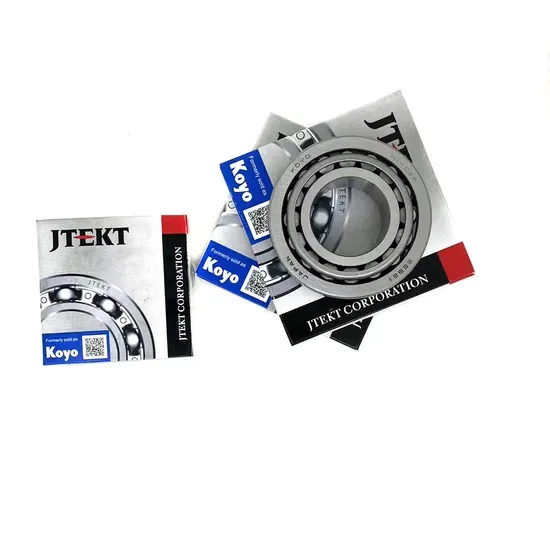
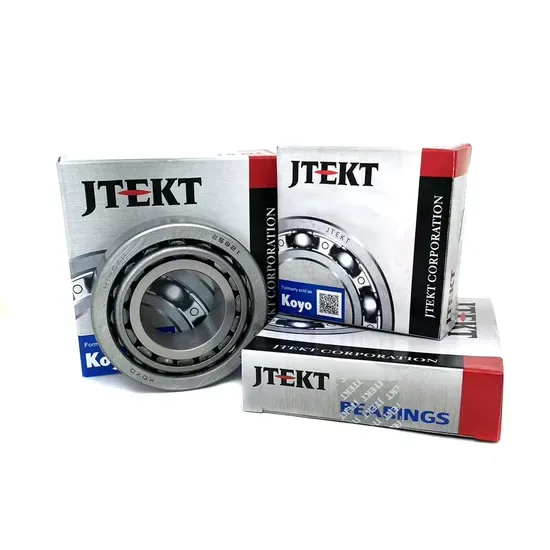
The most dangerous aspect of counterfeit bearings is their appearance. They often look identical to genuine products, complete with copied logos and packaging. However, the internal quality is vastly different. In spinning frames, the consequences of using fake bearings are severe and immediate.
I have seen firsthand the aftermath of such failures. A batch of counterfeit bearings was installed during a routine maintenance overhaul. Within weeks, multiple spindles began to vibrate excessively. Upon inspection, the inner rings showed signs of severe overheating, turning a dark blue or black color. The cages, unable to withstand the centrifugal forces, had fragmented, sending metal shards into the bearing housing. This type of failure does not just require a bearing replacement. It often necessitates spindle repair or replacement, leading to extended downtime.
The hidden costs include:
- Production Loss: Days of halted output while repairs are conducted.
- Damage to Equipment: Potential damage to spindle shafts and surrounding components.
- Quality Issues: Vibration from failing bearings can cause yarn breakage and uneven tension, reducing product quality.
- Reputation Risk: Inability to meet delivery deadlines due to unplanned stops.
These costs dwarf the initial savings from purchasing cheaper, non-genuine parts. For textile mills, the risk is simply too high. Verifying the authenticity of every bearing is not an optional step; it is a critical part of asset protection.
How to Verify Authenticity When Sourcing KOYO Bearings Globally?
Implementing strict traceability checks, requiring original factory certificates, and using reliable mixed-batch consolidation services are key to ensuring authenticity.
Sourcing genuine bearings in a global market filled with intermediaries is challenging. The risk is not just from obvious fakes, but from unauthorized intermediaries who may mix genuine and fake batches in consolidated shipments. To mitigate this, buyers must demand more than just a product. They need proof.
Original factory certificates are the first line of defense. These documents provide a trail back to the manufacturer’s production facilities, verifying the batch number and production date. Without them, the origin of the bearing is unverified.
Additionally, working with a supplier who offers mixed-batch consolidation can reduce procurement cycles while maintaining authenticity. Instead of ordering full containers of a single size, mills can source various KOYO sizes for a complete spinning frame overhaul in a single container. This approach requires a supplier with massive spot inventory and rigorous quality control to ensure that every unit, regardless of size, is genuine.
I prioritize suppliers who present original factory certificates to local textile clients. This transparency improves win rates in regional distributor bids and builds long-term trust. When a supplier can provide complete traceability documentation for every bearing, from deep groove ball bearings to specialized spindle units, the buyer gains peace of mind.
Our approach involves strict verification at every stage. We stock genuine products with complete traceability documentation, ensuring that every KOYO bearing shipped is authentic. For regional distributors and mill operators, this means receiving a container of mixed sizes, all verified, all genuine, ready for immediate installation. This eliminates the guesswork and risk associated with sourcing from unknown channels.
Conclusion
Genuine KOYO bearings are non-negotiable for high-speed spinning frame reliability.
Preventing catastrophic downtime requires strict authenticity verification and precise application matching. By prioritizing traceability and selecting the correct specifications, textile mills can ensure continuous, efficient production. Sourcing from a provider who guarantees genuine stock with full documentation protects both equipment and profitability.