Most gearbox failures are not caused by poor lubrication, but by microscopic dimensional deviations in counterfeit parts.
Genuine Koyo bearings are critical for tractor gearbox durability under heavy loads and extreme environments. Verifying authenticity and selecting correct specs prevents catastrophic failures. The key lies in matching dynamic load ratings to specific agricultural applications and ensuring complete traceability documentation from a reliable original Koyo bearings supplier.
The scorching heat of a Saudi summer does not forgive mechanical compromises. I learned this the hard way while sourcing components for local farm equipment in Riyadh. A batch of non-genuine tapered roller bearings, purchased to cut costs, failed within weeks. The ambient temperature hovered near fifty degrees Celsius, compounded by fine dust that penetrated every seal. The result was not just a broken part, but a seized transmission during peak harvest. The downtime cost far exceeded the initial savings. This experience reshaped my approach to sourcing. Now, whether inspecting stock in Dubai or coordinating shipments for clients in Doha, the first item on my checklist is always the traceability file.
Transitioning from reactive repairs to proactive quality assurance requires understanding why specific bearing architectures matter in agricultural contexts. It is not merely about finding a part that fits; it is about ensuring the component can withstand the unique shock loads and continuous torque variations inherent in tractor operations.
Why Are Koyo Bearings Crucial for Tractor Gearboxes?
Koyo’s precision engineering handles the high shock loads and continuous torque typical in agricultural transmissions.
Tractor gearboxes operate in some of the most punishing conditions in industrial machinery. Unlike steady-state industrial motors, agricultural transmissions face erratic load profiles. A plow hitting a rock sends a shock wave through the gearbox that standard bearings may not absorb effectively. Genuine Koyo bearings are designed with specific internal geometries that optimize load distribution across the rolling elements.
The material integrity of the steel used in authentic Koyo products plays a pivotal role. Counterfeit alternatives often use lower-grade steel with inconsistent hardness. Under high stress, these inferior materials deform microscopically, leading to rapid wear and heat buildup. In contrast, original Koyo bearings maintain their dimensional stability even under extreme thermal cycling. This stability is crucial for maintaining proper gear mesh and preventing premature wear on the gears themselves.
Consider the difference in operational lifespan. In harsh environments characterized by high temperatures and abrasive dust, non-genuine bearings may fail within weeks. Original Koyo units, when properly selected and installed, can last for multiple seasons. This longevity is not a marketing claim but a result of rigorous manufacturing standards and quality control processes that ensure batch-to-batch consistency.
For OEMs designing new tractor models, matching the load ratings to the expected operational profile is essential. Using a bearing with insufficient capacity leads to early fatigue, while over-specifying can increase costs without adding value. The goal is to find the optimal balance that ensures reliability without unnecessary expense. This is where technical expertise in selection becomes as important as the brand itself.
How to Select the Right Koyo Bearing for Specific Gearbox Applications?
Matching load ratings, clearance classes, and sealing types to specific tractor models and operating environments is essential.
Selecting the correct bearing involves more than just matching the part number. It requires a deep understanding of the operational environment. Agricultural machinery varies widely, from compact utility tractors to large row-crop machines. Each has different torque requirements and exposure levels to contaminants.
Internal clearance is a critical parameter. Standard clearance may suffice for moderate conditions, but high-temperature environments often require C3 or C4 clearance to accommodate thermal expansion. Without adequate clearance, the bearing can bind as it heats up, leading to catastrophic failure.
Sealing technology is another vital consideration. Dust and moisture are the primary enemies of gearbox longevity. Genuine Koyo bearings offer various sealing options, from basic rubber seals to advanced labyrinth designs. Choosing the right seal depends on the level of contamination expected. In dusty fields, a robust seal is non-negotiable. In wet conditions, corrosion resistance becomes the priority.
| Application Factor | Standard Condition | Harsh Environment (Dust/Heat) | High Load/Shock |
|---|---|---|---|
| Internal Clearance | Standard (C0/C2) | Expanded (C3/C4) | Standard or Expanded |
| Seal Type | Basic Rubber | Advanced Labyrinth/Metal Shield | Robust Contact Seal |
| Load Rating Focus | Dynamic | Thermal Stability | Static and Dynamic |
| Lubrication | Standard Grease | High-Temp Synthetic | Heavy-Duty EP Grease |
A regional distributor once consolidated a mixed batch of Koyo tapered roller bearings for local repair shops. By carefully matching the clearance and seal types to the specific tractor models prevalent in the area, they reduced warranty claims significantly. This approach demonstrates that technical selection is as important as product authenticity.
For buyers, this means working with suppliers who understand these technical nuances. A simple part number match is not enough. The supplier must be able to provide guidance on clearance and sealing options based on the specific application. This level of support distinguishes a true partner from a mere vendor.
What Are the Hidden Risks of Using Non-Genuine Koyo Bearings?
Counterfeit parts lack material integrity, leading to rapid wear, overheating, and catastrophic gearbox seizure in harsh conditions.
The most dangerous aspect of counterfeit bearings is their invisible nature. They may look identical to the genuine article, with similar packaging and even copied logos. However, the internal quality is vastly different. The steel used is often inferior, with higher inclusion levels that act as stress concentrators. Under load, these inclusions initiate cracks that propagate rapidly, leading to sudden failure.
Most operators assume that bearing failure is due to poor lubrication. While lubrication is important, the root cause is often the microscopic dimensional deviations in counterfeit parts. These deviations cause uneven load distribution, leading to localized heating. The heat further degrades the lubricant, creating a vicious cycle that ends in seizure.
The cost of using non-genuine bearings is not just the price of the replacement part. It includes the cost of downtime, which can be massive during peak harvest seasons. A single gearbox failure can halt operations for days, resulting in lost revenue that far exceeds the savings from buying cheaper bearings. Additionally, the damage often extends beyond the bearing, affecting gears and shafts, leading to even more expensive repairs.
A European wind farm operator once faced a similar issue with counterfeit components. The initial savings were negligible compared to the cost of replacing the entire drivetrain. This case highlights the importance of viewing bearings as a critical investment rather than a commodity purchase.
For MRO operators, the risk is even higher. Emergency replacements often lead to rushed decisions, making it easier to fall victim to counterfeit suppliers. Having a trusted source for genuine parts is crucial for minimizing this risk. The peace of mind that comes with knowing your components are authentic is invaluable in maintaining operational continuity.
How Can Buyers Verify the Authenticity of Koyo Bearings?
Rigorous checks of packaging, traceability codes, and supplier documentation are mandatory to ensure genuine quality.
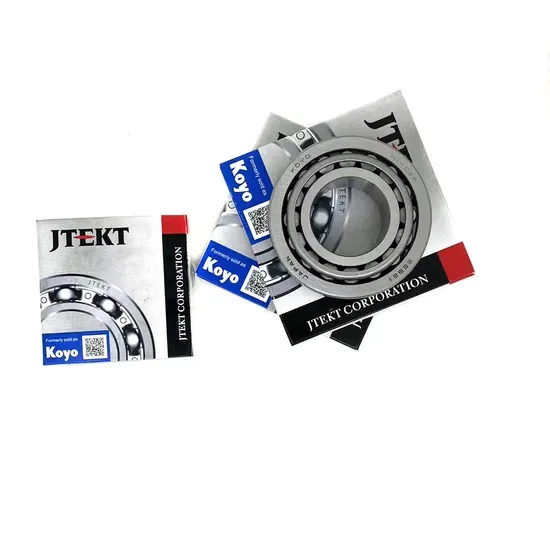
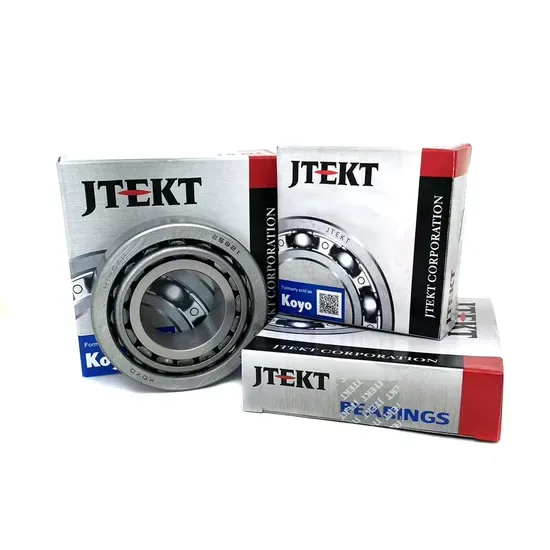
Verifying authenticity requires a multi-layered approach. Visual inspection of the packaging is the first step. Genuine Koyo packaging features high-quality printing, specific holographic labels, and consistent branding. Counterfeit packaging often has blurry text, incorrect fonts, or missing security features. However, sophisticated fakes can mimic these external features, so visual inspection alone is not sufficient.
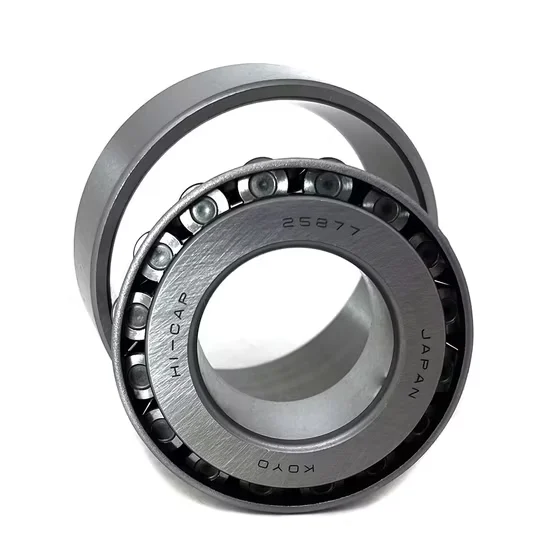
The next layer is the product itself. Genuine Koyo bearings have precise laser-etched markings on the raceways. These markings are clear, deep, and evenly spaced. Counterfeit parts often have stamped or poorly etched markings that are shallow or irregular. The surface finish of the genuine bearing is also superior, with a smooth, uniform appearance. Any roughness or discoloration is a red flag.
The most reliable method is verifying the traceability documentation. Every genuine Koyo bearing comes with a certificate of conformity that includes the batch number, manufacturing date, and test results. This documentation allows you to trace the product back to the manufacturer’s production facilities.
When sourcing from a global supplier, request these documents before placing an order. A reputable supplier will provide them willingly. If a supplier hesitates or provides vague answers, it is a sign to proceed with caution. In our operations, we ensure that every shipment of genuine Koyo bearings includes complete traceability documentation. This practice protects our clients from the risks associated with counterfeit products.
For regional distributors, consolidating mixed batches from a trusted source simplifies this process. Instead of verifying each individual supplier, they can rely on the documentation provided by their primary partner. This efficiency allows them to focus on serving their local markets with confidence.
Conclusion
Authenticity and technical precision are the foundations of reliable tractor gearbox performance.
Genuine Koyo bearings offer the durability and reliability required for harsh agricultural environments. By understanding the specific application requirements and verifying product authenticity, buyers can avoid costly failures and downtime. Partnering with a supplier who prioritizes traceability and technical support ensures long-term operational success.