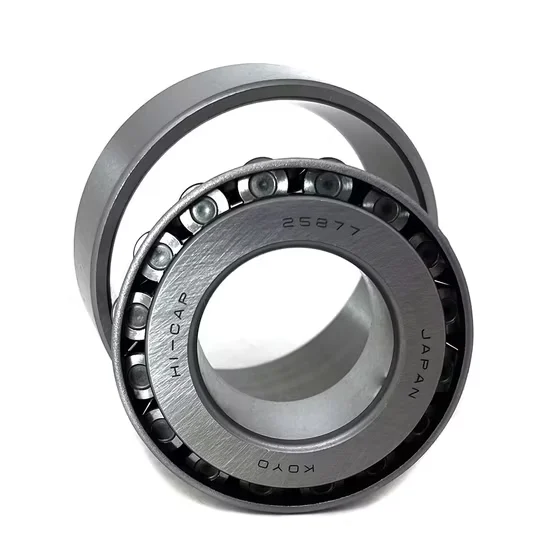
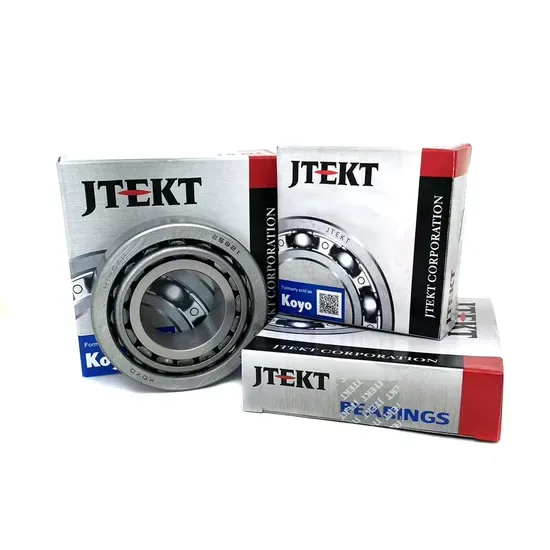
Lowest unit price is a trap if customs holds your cargo.
For regional distributors, the decisive factor in sourcing genuine KOYO bearings is not merely the wholesale rate, but the completeness of traceability documents that guarantee smooth customs clearance and secure local resale. A reliable KOYO bearing distributor supply chain must provide original certificates and batch-specific proofs alongside the physical goods to prevent costly delays and authenticity disputes.
I still remember the silence on the other end of the line when a container of deep-groove ball bearings sat stuck at Rotterdam port. The buyer was not angry about the price; he was furious because the origin certificate lacked a specific verification stamp required by local authorities. The cargo was held for weeks, accruing demurrage charges that wiped out the entire margin of the deal. That incident shifted my perspective entirely. In the global bearing trade, the physical product is only half the transaction. The paperwork is the other half, and it must be flawless.
Many distributors believe that securing the lowest possible price per unit is the primary competitive advantage. However, experience shows that flawless documentation secures the final profit more effectively than marginal savings on unit cost. Without verifiable proof of origin, even genuine products can be flagged as counterfeit or non-compliant, leading to seized shipments and lost client trust.
This reality drives the need for a structured approach to sourcing. Distributors require more than just a vendor; they need a partner who understands the intricacies of international trade compliance and brand authentication. The following sections detail how to navigate these complexities, ensuring that every shipment of KOYO bearings arrives ready for immediate resale without administrative hurdles.
What documents are mandatory for importing genuine KOYO bearings?
Original certificates and traceability proofs are non-negotiable for smooth customs clearance.
Importing industrial components like bearings involves strict regulatory scrutiny. Customs authorities in many regions require detailed documentation to verify the origin and authenticity of goods. For a KOYO bearing distributor supply operation, missing or incomplete paperwork can lead to significant delays.
The essential documents typically include:
- Certificate of Origin: This document certifies the country where the bearings were manufactured. It is crucial for determining applicable tariffs and ensuring compliance with trade agreements.
- Packing List: A detailed list of the contents of each package, including part numbers, quantities, and weights. This must match the physical goods exactly.
- Commercial Invoice: Clearly stating the value of the goods, terms of sale, and buyer/seller details.
- Traceability Documents: These may include mill certificates or quality inspection reports from the manufacturer. They link the specific batch of bearings to the production records, proving their genuineness.
A common issue arises when suppliers provide generic certificates that do not match the specific batch numbers on the packaging. I once handled a shipment where the certificate referenced a different production lot than the boxes received. The discrepancy raised immediate red flags during inspection. Resolving this required direct communication with the manufacturer’s quality department to issue a corrected document, causing a two-week delay.
To avoid such scenarios, it is vital to verify that all documents are consistent before shipment. The part numbers, batch codes, and quantities on the certificate must align perfectly with the packing list and the physical labels on the bearing boxes. This level of attention to detail ensures that customs officials can quickly verify the goods, facilitating faster release.
Furthermore, some countries have additional requirements, such as legalized documents or specific formats for electronic submissions. Understanding these local nuances is part of providing a robust KOYO bearing distributor supply service. Failure to comply can result in the rejection of documents, forcing the importer to re-submit or face penalties.
How to balance mixed-brand sourcing with wholesale pricing?
Consolidating KOYO with other mainstream brands optimizes container space and lowers overall procurement costs.
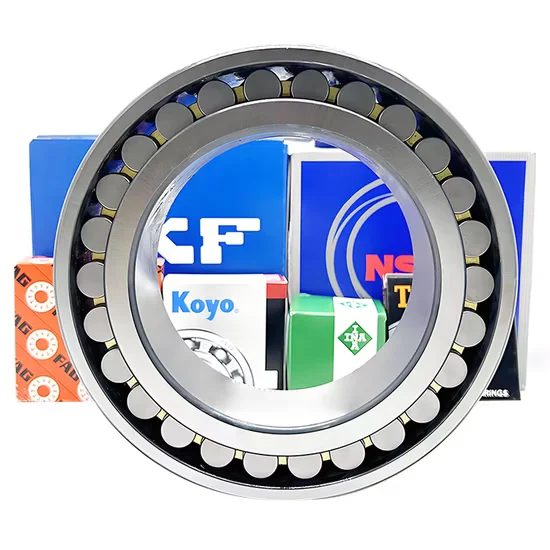
Sourcing from a single brand often leads to inefficiencies, especially for distributors serving diverse industrial sectors. Clients may require SKF for high-precision applications, FAG for heavy-duty rollers, and KOYO for automotive components. Managing separate shipments for each brand increases logistics costs and complicates inventory management.
Mixed-brand consolidation offers a strategic advantage. By combining orders from multiple premium brands into a single container, distributors can achieve significant cost savings. This approach reduces freight expenses per unit and simplifies the import process.
Consider the following comparison of sourcing strategies:
| Sourcing Strategy | Logistics Efficiency | Inventory Complexity | Cost Effectiveness |
|---|---|---|---|
| Single-Brand Direct | Low | High (Multiple Suppliers) | Moderate |
| Mixed-Brand Consolidation | High | Low (Single Point of Contact) | High |
| Spot Buying | Variable | Very High | Low |
In a recent project for a client in Southeast Asia, we consolidated a container load containing KOYO, NSK, and NTN bearings. The client needed a variety of spherical roller bearings and deep-groove ball bearings for different machinery lines. By mixing these brands, we filled the container more efficiently than if we had shipped each brand separately. This optimization reduced the freight cost per bearing noticeably, allowing the client to offer more competitive pricing in their local market.
Moreover, mixed-brand sourcing provides flexibility. If one brand faces stock shortages, alternatives from other reputable manufacturers can be substituted without disrupting the entire order. This resilience is crucial for maintaining supply continuity.
However, this strategy requires a supplier with extensive inventory and technical expertise. The supplier must ensure that all brands sourced are genuine and come with complete documentation. Mixing genuine KOYO bearings with counterfeit or substandard products from other brands would defeat the purpose and damage the distributor’s reputation. Therefore, selecting a KOYO bearing distributor supply partner who specializes in multi-brand consolidation is key.
The ability to provide technical support across brands is also beneficial. Clients often seek advice on equivalent models or cross-references. A knowledgeable supplier can guide distributors in selecting the right mix of brands to meet specific application requirements while optimizing costs.
How to verify authenticity and prevent counterfeit claims from local buyers?
Providing full factory traceability and anti-counterfeit proofs builds long-term distributor credibility.
Counterfeit bearings are a persistent threat in the global market. They often look identical to genuine products but fail prematurely, causing equipment damage and safety hazards. For distributors, selling counterfeit goods—even unintentionally—can lead to severe legal and reputational consequences.
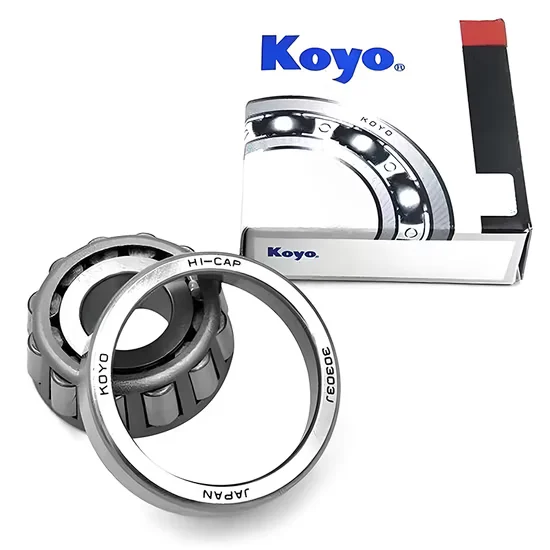
Verifying authenticity requires a multi-layered approach. First, physical inspection of the packaging and the bearing itself is essential. Genuine KOYO bearings feature high-quality printing, precise laser marking, and consistent finish. Counterfeits often exhibit blurry logos, uneven font spacing, or rough surface finishes.
Second, and more importantly, documentary evidence is critical. Each batch of genuine bearings should come with traceability documents that link it back to the manufacturer’s production records. These documents include batch numbers, production dates, and quality control test results. By providing these proofs to local buyers, distributors can demonstrate the genuineness of their stock.
I recall a situation where a local buyer questioned the authenticity of a batch of tapered roller bearings. Instead of arguing, we provided the full traceability package, including the original inspection report from the manufacturer’s facility. The buyer verified the batch number through the brand’s official channel and confirmed the goods were genuine. This transparency not only resolved the dispute but also strengthened the business relationship.
To prevent counterfeit claims, distributors should adopt the following practices:
- Source from Authorized Channels: Ensure that the KOYO bearing distributor supply chain is verified and authorized. Avoid unofficial brokers who cannot provide complete documentation.
- Maintain Chain of Custody: Keep records of every transaction, from purchase to resale. This helps track the origin of the goods and provides evidence in case of disputes.
- Educate Customers: Provide clients with information on how to identify genuine products. Share guides on packaging features and marking standards.
Additionally, some brands offer online verification tools. Distributors should encourage buyers to use these tools to check serial numbers or batch codes. This adds an extra layer of confidence and reduces the likelihood of disputes.
Building a reputation for selling only genuine products takes time but pays off in customer loyalty. Buyers are willing to pay a premium for peace of mind, knowing that the bearings they purchase are authentic and reliable.
What is the ideal MOQ and lead time for distributor restocking?
Flexible MOQ from single emergency spares to full container loads ensures zero downtime for your clients.
Distributors face varying demand patterns. Sometimes, they need a single bearing for an urgent repair job. Other times, they need to restock their warehouse with a full container load for seasonal demand. A rigid minimum order quantity (MOQ) policy can hinder a distributor’s ability to serve their clients effectively.
The ideal KOYO bearing distributor supply partner offers flexible MOQ options. This flexibility allows distributors to manage their inventory efficiently, balancing the cost of holding stock with the need to meet immediate customer demands.
For emergency situations, the ability to source single units or small batches is crucial. Delays in obtaining critical spare parts can result in significant production downtime for end-users. A supplier with a large spot inventory can fulfill these urgent requests quickly, helping distributors maintain their service levels.
On the other hand, for regular restocking, bulk orders offer better pricing and logistics efficiency. Consolidating these orders into full container loads reduces shipping costs per unit. The key is to find a supplier who can handle both scenarios seamlessly.
Lead time is another critical factor. While standard items may be available for immediate shipment, specialized or less common models may have longer lead times. Distributors should work with their suppliers to forecast demand and place orders in advance for slow-moving items. This proactive approach minimizes the risk of stockouts.
Technical support also plays a role in restocking decisions. Distributors often need assistance in identifying equivalent models or selecting the right specifications for new applications. A supplier who provides cross-brand equivalent model lookup and technical selection support can help distributors optimize their inventory mix.
By partnering with a supplier who offers flexible MOQ, competitive pricing, and technical expertise, distributors can enhance their operational efficiency. This partnership enables them to respond quickly to market changes and meet the diverse needs of their clients, from small repair shops to large industrial plants.
Conclusion
Authenticity and documentation are the foundations of a successful bearing distribution business.
Sourcing genuine KOYO bearings requires more than finding the lowest price. It demands a partner who prioritizes traceability, compliance, and flexibility. By ensuring complete customs documentation, leveraging mixed-brand consolidation, and verifying authenticity through rigorous checks, distributors can secure their supply chain and build lasting trust with their clients. A reliable KOYO bearing distributor supply strategy focuses on long-term value rather than short-term savings.