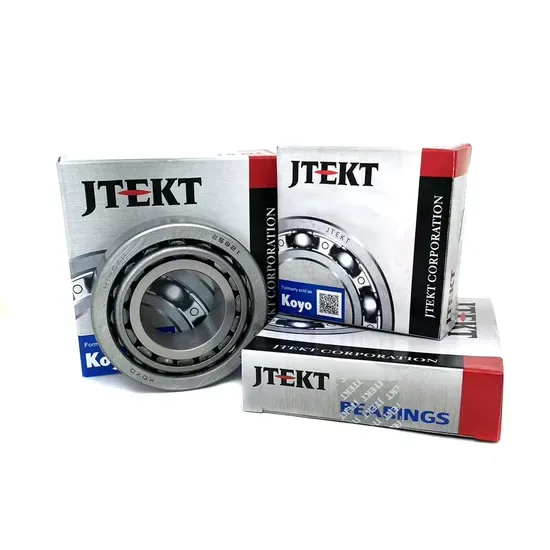
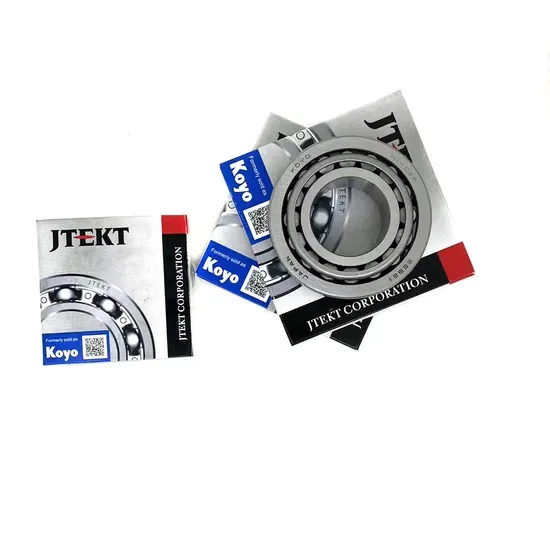
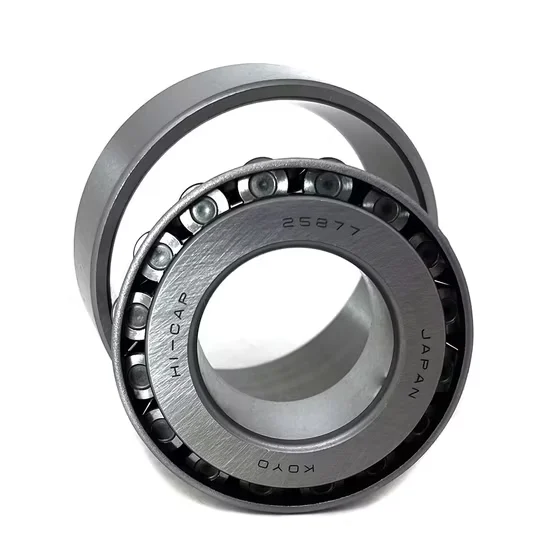
Lowest FOB price is a trap if moisture destroys the cargo. Securing genuine KOYO bearings for African markets relies less on unit price and more on mastering mixed-container consolidation, moisture-proof packaging, and traceable documentation to prevent transit damage.
Sourcing authentic components for East and West African industrial hubs requires a shift from simple procurement to logistics risk management. The primary challenge is not availability but integrity during the long sea freight journey. A reliable Koyo bearing supply routes to Africa strategy must prioritize VCI anti-rust standards and precise customs documentation over marginal cost savings. Without these controls, even premium-grade steel suffers irreversible corrosion before reaching the port of discharge.
My perspective on this supply chain was forged in the humid air of Jebel Ali Port. Watching a consolidated container destined for Mombasa, I noticed the shrink-wrap on a pallet of tapered roller bearings was torn. The carrier had stacked heavy machinery parts atop it. By the time that container opened in Kenya, the outer rings had developed a layer of yellow rust that no amount of polishing could remove. The client rejected the entire batch. That loss taught me that in cross-border trade, the packaging specification is as critical as the bearing tolerance. Today, when evaluating a Koyo bearing supply routes to Africa plan, I inspect the moisture barrier first.
How to Ensure KOYO Bearing Authenticity in African Supply Routes?
Traceability documentation is non-negotiable for genuine products. Rigorous audit trails and direct supplier verification prevent counterfeit goods from entering the supply chain.
Counterfeit bearings often mimic the laser etching of genuine brands but fail under load due to inferior steel quality. For distributors in Lagos or Dar es Salaam, the reputational damage from a single failed batch can outweigh years of profit. Ensuring authenticity requires verifying the source before the goods leave the factory floor.
A common mistake is relying solely on the physical appearance of the box. High-quality fakes now replicate packaging with startling accuracy. The true differentiator lies in the batch numbers and material certificates. A legitimate Koyo bearing supply routes to Africa partner will provide mill test certificates that match the lot numbers on the bearing rings. These documents must be cross-referenced with the manufacturer’s production records.
Consider a case involving a mining equipment distributor in Zambia. They sourced a large volume of spherical roller bearings through a low-cost intermediary. The boxes looked perfect, and the price was significantly below market rate. However, when the bearings were installed in crusher applications, they failed within weeks due to premature spalling. Investigation revealed the steel lacked the necessary cleanliness levels required for heavy-load applications. By switching to a verified Koyo bearing supply routes to Africa channel that provided full batch-level traceability, the distributor eliminated these failures. The initial cost was higher, but the total cost of ownership dropped noticeably.
To verify authenticity, buyers should request proof of authorization from the supplier. Genuine suppliers maintain direct links to the manufacturer’s distribution network. This link ensures that the bearings have been stored in controlled environments prior to shipment. Unverified sources often store goods in unconditioned warehouses, leading to micro-corrosion that is invisible to the naked eye but fatal to bearing life. When structuring a Koyo bearing supply routes to Africa agreement, insist on seeing the chain of custody documents.
What Are the Key Risks in Mixed-Container Shipping to Africa?
High humidity and long transit times demand strict moisture-proof packaging. Standard export packing is insufficient for the tropical conditions encountered on routes to Mombasa or Durban.
Mixed-container shipping allows distributors to consolidate various SKUs, optimizing cash flow and inventory diversity. However, this method introduces unique risks. Different bearing types have varying surface areas and sensitivities to environmental changes. When packed together, inadequate protection on one item can compromise the entire container.
The primary enemy is condensation. During a forty-day sea voyage, temperature fluctuations cause “container rain.” Moisture accumulates on the ceiling and drips onto the cargo. If bearings are wrapped only in standard paper or thin plastic, water penetrates the packaging. VCI (Volatile Corrosion Inhibitor) film is essential. This specialized material releases protective vapors that form a molecular layer on the metal surface, preventing oxidation.
| Packaging Method | Moisture Resistance | Long-Term Storage Suitability | Cost Implication |
|---|---|---|---|
| Standard Paper Wrap | Vulnerable | None | Low |
| Thin Polyethylene Bag | Resistant | Short-term | Moderate |
| VCI Film + Desiccant | Robust | Extended | Higher |
A European wind farm operator once faced delays due to port congestion in West Africa. Their bearings sat in a container for several extra weeks. Because they had used standard packaging, the high humidity caused widespread surface rust. Had they utilized a professional Koyo bearing supply routes to Africa service that included VCI wrapping and desiccant packs, the inventory would have remained pristine. The cost of proper packaging is a fraction of the value of the lost goods.
Another risk is mechanical damage during consolidation. Bearings are heavy and dense. If not palletized correctly, they can shift during transit. This movement causes brinelling—indentations on the raceways—from other hard objects in the container. Proper blocking and bracing are critical. A skilled consolidator calculates the load distribution to ensure stability. This expertise is a key component of an effective Koyo bearing supply routes to Africa strategy.
Buyers should specify packaging requirements in the purchase order. Do not assume standard export packing is sufficient. Request details on the thickness of the VCI film and the type of desiccant used. Silica gel is common, but clay desiccants are often more effective in high-humidity environments. Verifying these details before shipment prevents costly claims later.
How to Optimize Consolidation for Regional Distributors?
Flexible MOQ and professional space planning reduce inventory pressure. Efficient consolidation meets diverse local demands without tying up capital in slow-moving stock.
Regional distributors often serve a wide range of industries, from automotive repair to agricultural machinery. Stocking full containers of a single SKU is rarely feasible. Mixed-brand consolidation allows for a broader product offering. This approach requires precise space utilization calculations. A twenty-foot container can hold a surprising variety of bearings if packed efficiently.
The key is balancing high-turnover items with specialized parts. Fast-moving deep groove ball bearings can fill the base layers, while larger spherical roller bearings are placed strategically to maximize vertical space. Professional consolidators use software to model the load, ensuring weight distribution meets maritime safety standards. This optimization reduces the per-unit shipping cost significantly.
For a distributor in Nairobi, switching to a mixed-container model reduced their inventory holding costs substantially. They were able to offer over fifty different bearing types from a single shipment. This variety attracted more customers, including small repair shops that previously bought from competitors. The flexibility of a Koyo bearing supply routes to Africa partner who understands local market needs is invaluable.
Technical support is also part of optimization. Distributors often need help selecting equivalent models when specific brands are unavailable. A knowledgeable supplier can recommend alternatives that meet the same dimensional and load requirements. This service ensures that the consolidated container contains only viable, sellable products. It prevents the arrival of obsolete or incompatible items that would otherwise sit in storage.
When planning a Koyo bearing supply routes to Africa shipment, consider the seasonal demand in your region. Agricultural bearings may be needed before planting season, while industrial maintenance stocks might peak during dry periods. Aligning the consolidation schedule with these cycles ensures timely availability. This strategic alignment turns logistics into a competitive advantage.
Which Documents Are Critical for African Customs Clearance?
Complete commercial invoices and certificates of origin prevent costly port delays. Missing or inconsistent paperwork is the leading cause of demurrage charges at African ports.
Customs regulations in countries like Tanzania, Nigeria, and Kenya are strict. Authorities require precise documentation to verify the value, origin, and nature of the goods. Any discrepancy between the physical cargo and the paperwork can lead to inspections, fines, or seizure.
The commercial invoice must detail each item clearly. Vague descriptions like “bearings” are insufficient. Each line item should include the part number, brand, quantity, and unit price. The packing list must match the invoice exactly. If the invoice lists one hundred units, the packing list must show one hundred units. Discrepancies trigger red flags for customs officers.
A certificate of origin is often required to qualify for preferential tariff rates under trade agreements. This document proves where the goods were manufactured. For genuine KOYO bearings, this is typically Japan or specific authorized manufacturing facilities. Providing a false certificate is a serious offense. A reliable Koyo bearing supply routes to Africa provider ensures all documents are accurate and compliant with current regulations.
| Document Type | Purpose | Common Error | Consequence |
|---|---|---|---|
| Commercial Invoice | Value declaration | Vague description | Delay/Inspection |
| Packing List | Cargo verification | Quantity mismatch | Demurrage charges |
| Certificate of Origin | Tariff determination | Incorrect country | Loss of preference |
| Bill of Lading | Title transfer | Typo in consignee | Release delay |
In Dar es Salaam, a shipment was held for weeks because the brand name was misspelled on the invoice. The customs system did not recognize the entry, requiring manual intervention. This delay incurred significant storage fees. Such errors are easily avoidable with careful document preparation. Professional suppliers double-check all paperwork before submission.
Buyers should provide their customs broker with all documents well in advance of the vessel’s arrival. This allows time for pre-clearance procedures. Some ports offer electronic submission systems that speed up the process. Utilizing these systems requires digital-ready documents. Ensuring your Koyo bearing supply routes to Africa partner provides editable, clear digital copies facilitates this process.
Conclusion
Authenticity and protection define successful African bearing supply. Mastering documentation and moisture control secures margins against transit risks.
Securing genuine KOYO bearings for African markets is not just about finding a low price. It is about building a resilient supply chain that withstands the challenges of long-distance maritime transport. By focusing on VCI packaging, precise consolidation, and accurate documentation, distributors can ensure their products arrive in perfect condition. This approach protects both profit and reputation. A well-executed Koyo bearing supply routes to Africa strategy turns logistical complexity into a sustainable competitive edge.