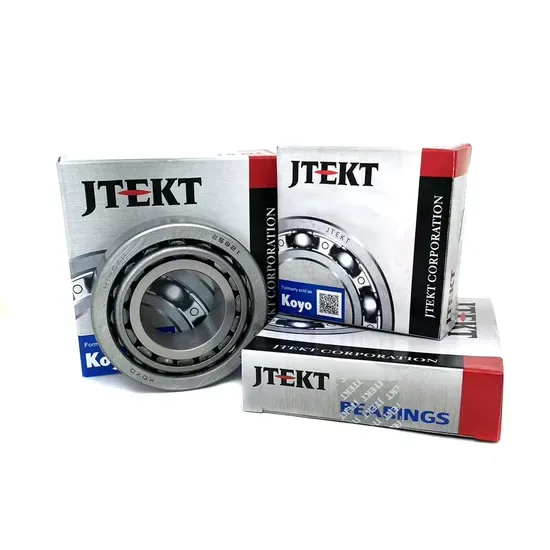
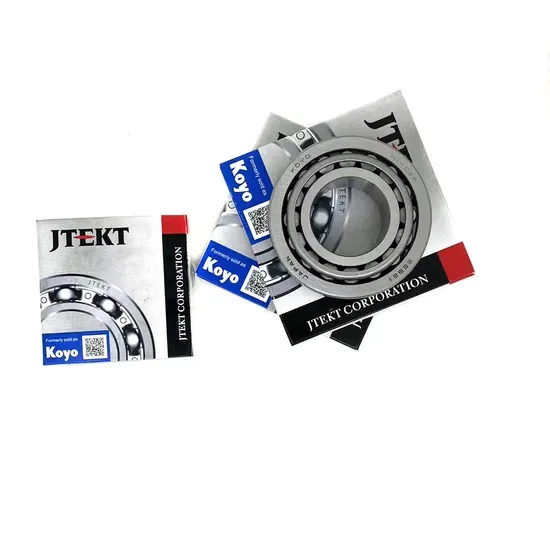
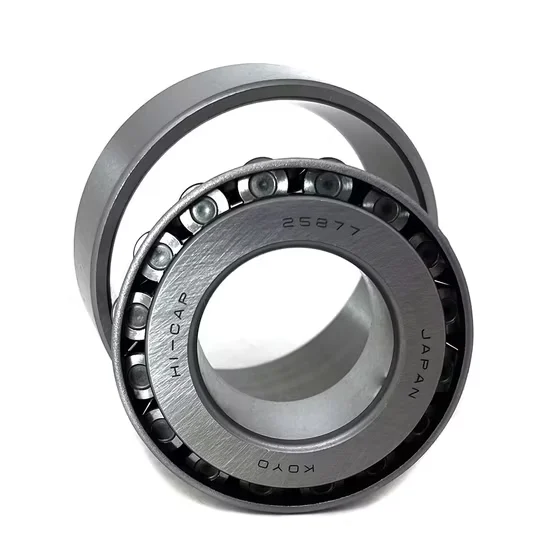
Original boxes are not enough for ocean freight.
Proper packaging of Koyo bearings requires multi-layer moisture barriers, ISPM-15 compliant wooden pallets, and strict weight distribution protocols to prevent transit rust and physical damage during global export.
I still remember the silence in the warehouse after the phone call from Dubai. A full container of tapered roller bearings had arrived, but the client refused to unload them. The outer cartons looked fine, but inside, the humidity of the sea journey had penetrated the simple cardboard. The bearings were covered in surface rust. That loss was not just financial; it damaged trust that took years to build. Since then, I have watched every loading process at Qingdao Port personally. I learned that genuine quality means nothing if the product arrives corroded or cracked. The packaging of Koyo bearings is as critical as the manufacturing precision itself.
Many buyers assume that the manufacturer’s original box provides sufficient protection. This is a dangerous misconception for long-distance shipping. Original packaging is designed for storage and short-distance handling, not for the high-humidity, high-vibration environment of a sea container. To ensure your inventory remains saleable upon arrival, you must upgrade the export protocol.
What Are the Standard Export Packaging Materials for KOYO Bearings?
VCI paper, industrial stretch film, and ISPM-15 certified pallets are mandatory for sea freight.
When preparing bulk orders, the choice of materials determines the survival rate of the cargo. Standard cardboard boxes absorb moisture and lose structural integrity when stacked in humid containers. For the packaging of Koyo bearings intended for export, we replace or reinforce original packaging with specific industrial-grade materials.
The first layer is Volatile Corrosion Inhibitor (VCI) paper. Unlike standard anti-rust paper, VCI releases microscopic molecules that settle on metal surfaces, creating an invisible protective layer against oxidation. This is crucial for bearings stored in ports where salt air is prevalent.
The second layer is heavy-duty stretch film. This is not the thin wrap used for pallet stability alone. We use thick, puncture-resistant film to create a complete moisture barrier around the entire pallet load. This seals the goods from ambient humidity fluctuations during the voyage.
The foundation is the pallet. Many suppliers use cheap, untreated wood to cut costs. This is a violation of international shipping regulations. All wooden packaging materials must comply with ISPM-15 standards, which require heat treatment or fumigation to prevent the spread of pests. Using non-compliant pallets can lead to entire containers being rejected at customs or forced into expensive re-processing.
| Material Component | Standard Domestic Use | Export Grade Requirement | Risk of Non-Compliance |
|---|---|---|---|
| Inner Wrapping | Oil paper or plastic bag | VCI Paper | High risk of surface rust |
| Outer Box | Single-wall cardboard | Double-wall reinforced or wooden crate | Box collapse under stacking |
| Pallet Wood | Untreated local timber | ISPM-15 Certified Heat-Treated | Customs rejection or fines |
| Moisture Barrier | None | Industrial Stretch Film + Desiccants | Condensation damage |
A European distributor once received a shipment where the supplier had skipped the VCI layer to save margin. The bearings looked clean initially, but within weeks in a humid warehouse, micro-pitting appeared on the raceways. The entire batch was downgraded to scrap value. Proper materials are not an expense; they are insurance.
How to Prevent Rust During Long-Distance Ocean Shipping?
Multi-layer moisture barriers and desiccants are essential beyond original boxes.
Rust is the silent killer of bearing inventory. It does not always happen because of water leakage; often, it is caused by “container rain.” This phenomenon occurs when temperature differences between day and night cause condensation inside the shipping container. Water droplets form on the ceiling and fall onto the cargo.
To combat this in the packaging of Koyo bearings, we implement a multi-stage defense system. First, silica gel desiccant bags are placed strategically within the pallet load. These absorb excess moisture from the air trapped inside the stretch film. The quantity of desiccant is calculated based on the volume of the container and the expected duration of the voyage.
Second, we ensure that the bearings are never in direct contact with the wooden pallet. Wood contains natural moisture and can transfer it to the cardboard boxes. We place a layer of plastic sheeting or additional cardboard between the pallet deck and the first layer of boxes.
Third, the stretch film must be applied tightly and completely, covering the top and bottom of the pallet. Any gap allows humid air to enter. We often double-wrap the pallet for extra security.
A client in Southeast Asia reported that previous shipments arrived with rust spots on the outer rings. Upon investigation, we found that the supplier had only wrapped the sides of the pallet, leaving the top exposed. The condensation from the container roof dripped directly onto the top boxes. After switching to full-coverage wrapping with desiccants, the rust complaints ceased entirely.
It is also vital to store the packaged bearings in a dry area before loading. If the boxes absorb moisture in the warehouse before they even enter the container, the desiccants inside will be overwhelmed quickly. Pre-conditioning the cargo environment is part of the professional packaging of Koyo bearings process.
What Are the Rules for Mixed-Container Loading?
Heavy items must be placed at the bottom, with precision parts strictly isolated.
Most large distributors do not order a single type of bearing. They consolidate various sizes and brands to optimize freight costs. This mixed-loading approach requires careful planning. Improper loading can cause physical damage that is just as costly as rust.
The golden rule is weight distribution. Heavy bearings, such as large spherical roller bearings or tapered roller sets, must always be placed at the bottom of the stack. Lighter items, like deep groove ball bearings or needle bearings, go on top. If heavy boxes are placed on top of lighter ones, the bottom boxes will crush, damaging the bearings inside.
Precision parts require special attention. High-precision bearings, such as those used in machine tools, are sensitive to shock and vibration. They should be packed in their own rigid crates and isolated from heavier, rougher components. We use foam inserts or separate compartments to prevent them from shifting during transit.
In our consolidation service, we treat the packaging of Koyo bearings with the same rigor as other premium brands. We do not simply throw boxes into a container. We create a loading plan that balances the weight and secures the cargo.
A US buyer once complained about noisy bearings upon arrival. Investigation revealed that loose boxes had shifted during the voyage, banging against each other. The internal clearance of the bearings had been altered by the impact. We now use air dunnage bags to fill any voids in the container, ensuring the pallets remain stationary.
| Cargo Type | Position in Container | Protection Method |
|---|---|---|
| Heavy Roller Bearings | Bottom Layer | Reinforced Pallet Base |
| Precision Ball Bearings | Middle/Top Layer | Foam Isolation & Rigid Crate |
| Light Needle Bearings | Top Layer | Standard Stacking |
| Void Spaces | N/A | Air Dunnage Bags to Prevent Shifting |
Mixing brands is common, but mixing packaging standards is not. All items in a mixed container must meet the same export grade requirements. If one supplier uses weak boxes, they compromise the stability of the entire stack. This is why we enforce uniform packaging standards for all consolidated goods.
Why Must Original Anti-Counterfeit Labels Remain Visible?
Concealing labels causes customs delays and authenticity doubts.
In the global market, counterfeit bearings are a significant issue. Buyers and customs officials rely on visible authentication features to verify genuineness. Some suppliers, in an attempt to “protect” the packaging or hide the origin, cover these labels with opaque tape or additional wrapping. This is a critical error.
The packaging of Koyo bearings includes specific holographic labels, QR codes, and batch numbers that prove authenticity. These must remain visible and scannable upon arrival. If customs officers cannot verify the product immediately, the shipment may be held for inspection. This leads to demurrage charges and delayed delivery.
Furthermore, end-users often check these labels before installation. If the labels are damaged or hidden, they may suspect the bearings are fake, even if they are genuine. This creates unnecessary friction in the supply chain and can lead to returns.
We ensure that all anti-counterfeit features are accessible. If additional wrapping is required for moisture protection, we use clear film or leave specific windows open for label verification. We also provide digital copies of the original certificates and packing lists in advance, so buyers can cross-reference the batch numbers before the cargo even arrives.
A distributor in Latin America faced a two-week delay because the labels on a container of bearings were obscured by thick black shrink wrap. Customs suspected illicit goods. Once the wrap was removed and the labels verified, the release was immediate, but the storage fees were substantial. Simple visibility saves time and money.
Transparency in packaging builds trust. When buyers see that the labels are intact and verifiable, they feel confident in the authenticity of the product. This is a key part of the professional packaging of Koyo bearings service we provide.
Conclusion
Packaging is the final step of manufacturing quality.
Ensuring the integrity of bearings during global transit requires more than just a box. It demands a systematic approach involving VCI protection, ISPM-15 compliance, strategic loading, and visible authentication. By adhering to these standards, buyers can avoid the hidden costs of rust, damage, and customs delays. The packaging of Koyo bearings must be treated with the same precision as the bearings themselves to guarantee they arrive ready for installation.