Standard seals fail in cement plants.
Selecting the right Koyo bearings for conveyor pulleys requires matching spherical roller types with specialized labyrinth seals for heavy loads, while verifying authenticity through traceability documents to prevent premature failures in harsh environments.
The dust in that Riyadh cement plant was not just dirt; it was a fine, abrasive powder that found its way into every crevice. I watched a conveyor pulley seize up after only a few months of operation. The bearing inside had overheated, the grease turned black and solid, and the entire production line stopped. The maintenance team blamed the brand, but the real culprit was the seal selection. In such extreme conditions, standard rubber seals cannot withstand the ingress of particulate matter. This experience shaped my approach to sourcing. I no longer look at part numbers in isolation. I look at the environment where the Koyo bearings for conveyor pulleys will operate.
Understanding why these components fail is the first step toward selecting the right solution. It is not merely about load capacity; it is about protection against the elements that accelerate fatigue.
Why Do Conveyor Pulley Bearings Fail Prematurely?
Harsh environments and poor sealing accelerate fatigue.
Most operators assume that if the bearing fits the shaft and handles the radial load, it will last. This is a dangerous misconception. In industries like mining and cement production, the primary enemy is not weight, but contamination. When abrasive dust enters the bearing raceway, it acts like grinding paste. The rolling elements scratch the races, leading to rapid wear and eventual seizure.
I have seen this pattern repeat across multiple regions. A mining conveyor upgrade project I consulted on revealed that unplanned downtime was largely due to bearing failures caused by inadequate sealing. The original equipment used basic contact seals. These seals create friction and heat, which can degrade the lubricant over time. More critically, once the seal lip wears down, dust enters freely.
The solution lies in understanding the specific demands of the application. For heavy-duty conveyor roller bearings, the seal must be robust enough to block particles while allowing for thermal expansion. Labyrinth seals or hybrid designs often perform better in these scenarios than simple rubber lips. They create a tortuous path for contaminants, making it difficult for dust to reach the rolling elements.
Another common cause of failure is improper lubrication. In high-temperature environments, standard grease can thin out or oxidize. This leads to metal-to-metal contact. Operators must consider the operating temperature range when selecting the lubricant compatible with Koyo bearings for conveyor pulleys. If the grease fails, the bearing follows shortly after.
Selecting the correct bearing type is only half the battle. Ensuring it is protected from the specific hazards of the site is what determines its service life.
How to Select the Right Koyo Bearing for Pulleys?
Match spherical roller types with specialized seals for heavy loads.
Conveyor pulleys are subject to significant radial loads and occasional misalignment. Spherical roller bearings are the industry standard for these applications because they can accommodate angular misalignment between the shaft and housing. However, not all spherical roller bearings are created equal. The internal design, cage material, and seal type vary significantly.
When specifying Koyo bearings for conveyor pulleys, focus on the following criteria:
- Load Capacity: Ensure the dynamic load rating exceeds the maximum expected operational load. Include a safety factor for shock loads common in bulk material handling.
- Seal Type: For dusty or wet environments, choose bearings with non-contact labyrinth seals or hybrid seals. These provide better protection against contamination without generating excessive heat.
- Cage Material: Steel cages are generally preferred for heavy-duty applications due to their strength and resistance to deformation under high loads.
- Lubrication: Verify the grease compatibility with the operating temperature. Some applications require high-temperature synthetic greases.
A comparison of seal types helps clarify the choice:
| Seal Type | Contamination Protection | Heat Generation | Suitability for Harsh Environments |
|---|---|---|---|
| Standard Rubber Contact | Moderate | High | Low |
| Labyrinth Non-Contact | High | Low | High |
| Hybrid (Contact + Labyrinth) | Very High | Moderate | Very High |
In one case, a client in the Middle East was experiencing frequent failures on their main conveyor line. We switched from standard sealed units to those with specialized labyrinth seals. The result was a noticeable extension in maintenance cycles. The bearings ran substantially longer before requiring regreasing or replacement. This change did not increase the initial cost significantly but reduced the total cost of ownership by minimizing downtime.
It is also crucial to consider the housing design. The seal must interface correctly with the housing bore. Any gap or misalignment can compromise the sealing effectiveness. When sourcing Koyo bearings for conveyor pulleys, ensure that the housing dimensions match the bearing specifications precisely.
Proper selection ensures that the bearing can handle the mechanical stresses. But even the best bearing will fail if it is not genuine.
What Are the Hidden Costs of Non-Genuine Bearings?
Fake parts lead to severe downtime and safety hazards.
The market is flooded with counterfeit bearings that look identical to the genuine article. These products often use inferior steel and lack the precise heat treatment required for durability. While the upfront cost may be lower, the long-term implications are disastrous.
I recall a distributor who sourced a batch of bearings at a significantly reduced price. The packaging looked authentic, and the part numbers matched. However, within weeks, several units failed under normal operating conditions. The investigation revealed that the steel quality was substandard, leading to early spalling and fracture. The cost of replacing the bearings, plus the lost production time, far exceeded the savings from the cheaper purchase.
Counterfeit Koyo bearings for conveyor pulleys pose several risks:
- Premature Failure: Inferior materials cannot withstand the specified loads, leading to unexpected breakdowns.
- Safety Hazards: Catastrophic bearing failure can cause conveyor belts to snap or pulleys to detach, creating dangerous situations for workers.
- Warranty Voidance: Using non-genuine parts often voids the warranty on the entire machine or system.
The true cost of a fake bearing is not just the price of the component. It includes the labor for replacement, the loss of production, and potential damage to other machinery components. In heavy industry, unplanned downtime can cost thousands of dollars per hour.
To avoid these pitfalls, buyers must prioritize authenticity. This means sourcing from reputable suppliers who can provide verifiable proof of origin. It is not enough to trust the supplier’s word. Documentation is key.
Verifying authenticity is a critical step in the procurement process. It protects your investment and ensures the reliability of your operations.
How to Verify Authenticity When Sourcing Koyo Bearings?
Always demand traceability documents and inspect packaging.
Authenticity verification starts before the goods arrive. Reputable suppliers will provide full traceability documentation. This includes certificates of origin, material test reports, and batch numbers that can be verified with the manufacturer.
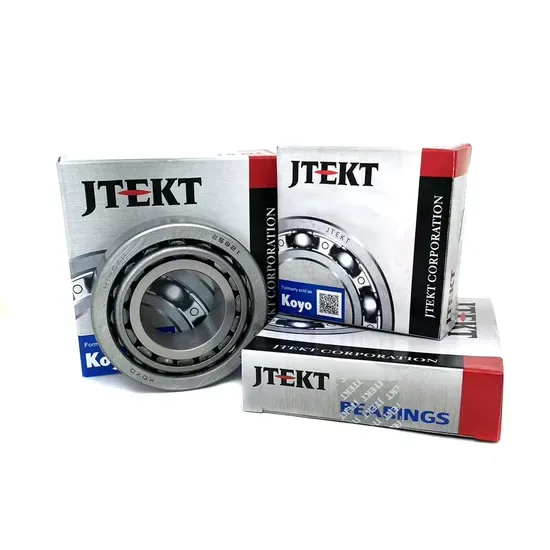
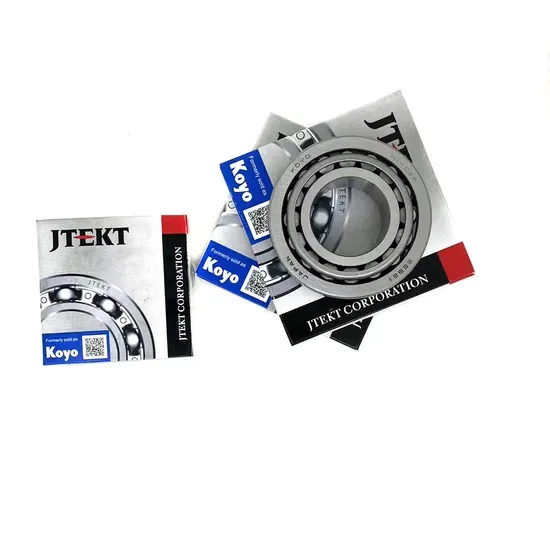
When I source Koyo bearings for conveyor pulleys for clients, I insist on seeing these documents. The packaging should also be inspected carefully. Genuine products have high-quality printing, clear labeling, and specific security features. Counterfeit items often have blurry text, misspelled words, or low-quality packaging materials.
Key steps for verification include:
- Check the Packaging: Look for holograms, serial numbers, and high-quality printing.
- Verify Documentation: Request certificates of origin and material test reports. Cross-reference batch numbers with the manufacturer if possible.
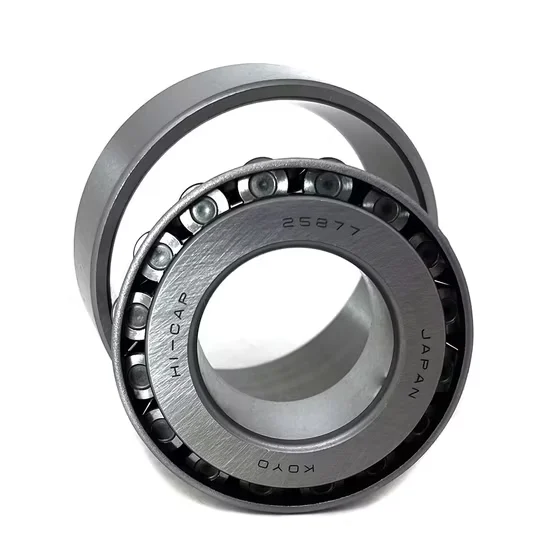
- Inspect the Bearing: Genuine bearings have precise machining, smooth surfaces, and clear markings. Counterfeits may have rough edges or inconsistent marking depth.
- Source from Authorized Distributors: Buy from suppliers who have a direct relationship with the brand or authorized distribution channels.
A recent shipment to a client in Africa was held up because the packaging looked suspicious. Upon inspection, we found that the serial numbers did not match the provided documentation. We rejected the shipment and sourced from a verified supplier instead. This diligence prevented potential failures and maintained the client’s trust.
Sourcing genuine Koyo bearings for conveyor pulleys requires vigilance. It is not just about finding the lowest price. It is about ensuring that every component meets the rigorous standards required for heavy-duty applications. By demanding traceability and inspecting goods carefully, buyers can protect their operations from the risks associated with counterfeit products.
Reliability in conveyor systems depends on the integrity of every component. From selection to verification, each step matters.
Conclusion
Genuine parts and proper sealing ensure longevity.
Selecting the right Koyo bearings for conveyor pulleys involves more than just matching part numbers. It requires understanding the operating environment, choosing appropriate seals, and verifying authenticity. By focusing on these factors, operators can minimize downtime and extend the service life of their conveyor systems. Trust in documentation and diligent inspection are the best defenses against premature failure.