Most swing failures are not caused by excessive load, but by micro-fractures in counterfeit cage materials under cyclic torque.
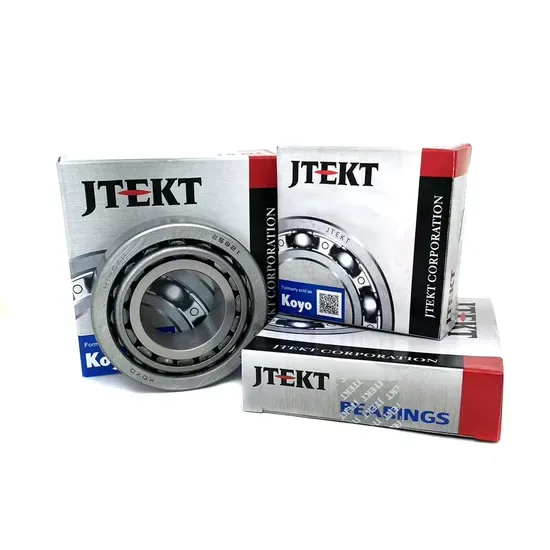
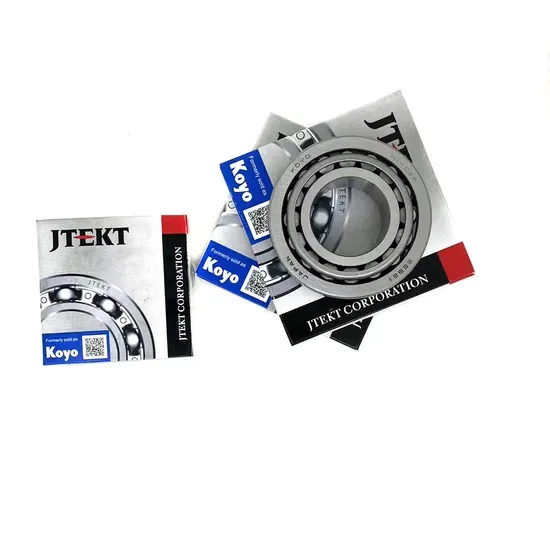
KOYO bearings ensure precise torque transmission in excavator swing units, but authentic sourcing and correct application matching are critical to prevent catastrophic swing mechanism failures. The primary risk lies not in the bearing design itself, but in the infiltration of refurbished or counterfeit stock that lacks the material integrity to withstand combined axial and radial loads.
I still remember the silence on the other end of the phone line from Dubai. It was heavier than the twenty-ton excavator sitting idle in the desert heat. A major earthmoving contractor had installed what they believed were premium KOYO bearings into their swing drive assembly. The paperwork looked perfect. The packaging was pristine. Yet, within hours of operation, the upper structure locked up completely. When we finally got permission to inspect the dismantled unit, the cause was immediately visible to anyone who has spent time in a warehouse rather than just behind a desk. The cage material was brittle, snapping under minimal stress. It was not genuine steel. It was a cheap imitation that had failed to handle the cyclic fatigue inherent in swing motion. That incident shifted my entire approach to trading. I stopped looking at price lists and started looking at traceability documents.
This experience is not unique. In the heavy equipment sector, the gap between a functional machine and a costly downtime event often comes down to the authenticity of a single component. Understanding how these components function, why they fail, and how to source them correctly is essential for any operator or distributor aiming to maintain fleet reliability.
How Do KOYO Bearings Function in Excavator Swing Units?
They handle combined axial/radial loads and moment torque for upper structure rotation.
The swing unit is the heart of an excavator’s mobility. It allows the house to rotate relative to the undercarriage, enabling the machine to dig, lift, and dump without repositioning its tracks. This motion places immense stress on the bearing assembly. Unlike standard radial bearings, the bearings used in these applications must support the weight of the entire upper structure while simultaneously resisting the twisting forces generated during digging and swinging.
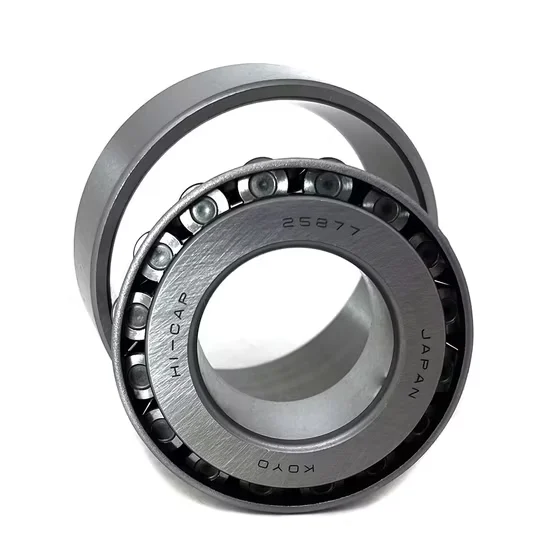
KOYO bearings designed for this purpose are engineered to manage these complex load profiles. They typically feature a large diameter and robust rolling elements capable of distributing stress evenly across the raceways. The precision of the internal geometry ensures that torque is transmitted smoothly from the hydraulic motor to the pinion gear, which then engages with the swing circle. Any deviation in roundness or surface finish can lead to uneven load distribution, causing premature wear and eventual seizure.
In my early days handling customs clearance at Yantian Port, I saw countless containers labeled as “heavy-duty bearings.” Few contained products that could actually withstand the dynamic loads of a mining excavator. Genuine KOYO bearings undergo rigorous quality control to ensure that their dynamic load ratings match the specific tonnage of the machine. This alignment is crucial. A bearing that is slightly underspecified may work for a few months, but it will inevitably succumb to metal fatigue, leading to catastrophic failure.
What Causes Premature Failure in Swing Drive Bearings?
Contamination ingress and counterfeit material fatigue are primary culprits.
When a swing bearing fails prematurely, the immediate assumption is often that the operator pushed the machine too hard. While overload is a factor, it is rarely the sole cause. More frequently, the failure stems from two insidious issues: contamination and material inferiority.
Excavators operate in some of the harshest environments on earth. Dust, mud, and moisture are constant threats. If the sealing system of the bearing is compromised, abrasive particles can enter the raceway. These particles act like grinding paste, accelerating wear and creating pits on the rolling surfaces. Over time, this damage leads to vibration, noise, and ultimately, structural failure. However, even with perfect seals, a bearing made from substandard steel will fail.
Counterfeit bearings often use lower-grade steel with higher inclusion density. These inclusions create weak points within the material. Under the cyclic torque of swing motion, micro-cracks initiate at these weak points and propagate rapidly. This is why a fake bearing might look identical to a genuine one but fail in a fraction of the time. I have seen batches of bearings that passed visual inspection but crumbled under basic hardness testing. The difference was not in the appearance, but in the metallurgy.
| Failure Factor | Genuine KOYO Bearing | Counterfeit/Refurbished Unit |
|---|---|---|
| Material Integrity | High-purity steel with controlled inclusion levels | Variable quality, high inclusion density |
| Cage Durability | Robust design resistant to cyclic fatigue | Brittle material prone to fracture |
| Seal Effectiveness | Engineered for specific environmental resistance | Often generic or degraded |
| Traceability | Full documentation from manufacturer | Missing or forged paperwork |
How to Select the Right KOYO Bearing for Specific Excavator Tonnage?
Match dynamic load ratings and seal types to operating environments.
Selecting the correct bearing is not a matter of picking the largest option available. It requires a precise match between the bearing’s specifications and the machine’s operational demands. The tonnage of the excavator dictates the magnitude of the loads the bearing must support. A twenty-ton machine requires different specifications than a fifty-ton mining excavator. Using a bearing with insufficient load capacity will lead to rapid deformation of the raceways. Conversely, over-specifying can lead to unnecessary cost and potential fitment issues.
Beyond load ratings, the operating environment plays a critical role in selection. In tropical humid regions, standard seals may not provide adequate protection against moisture ingress. In such cases, heavy-duty sealed variants are necessary to prevent corrosion and contamination. I recall a project involving a fleet of excavators operating in a coastal mining site. The standard bearings were failing repeatedly due to salt spray corrosion. Switching to KOYO bearings with enhanced sealing solutions significantly extended their service life. The change was not in the core bearing design, but in the protective features tailored to the environment.
The selection process should also consider the type of swing drive mechanism. Some systems use hydraulic motors directly coupled to the pinion, while others use gearboxes. Each configuration imposes different stress patterns on the bearing. Consulting technical datasheets and engaging with suppliers who understand these nuances is essential. A knowledgeable supplier can help cross-reference part numbers and ensure that the selected bearing meets the original equipment manufacturer’s specifications.
Why is Traceability Crucial When Sourcing KOYO Swing Bearings?
Complete documentation prevents counterfeit parts from causing catastrophic site failures.
In the global bearing market, traceability is the only reliable defense against counterfeits. A genuine KOYO bearing comes with a complete chain of custody, from the manufacturing facility to the end user. This documentation includes batch numbers, material certificates, and quality inspection reports. Without this paper trail, there is no way to verify the authenticity of the product.
I have learned this lesson the hard way. Early in my career, I focused on securing the lowest possible price for clients. I sourced bearings from distributors who offered attractive discounts but lacked transparent supply chains. The result was a mix of genuine and refurbished parts that caused endless headaches for my customers. One client, a regional distributor in Southeast Asia, faced a crisis when several of his key accounts reported premature failures. The bearings he had purchased looked authentic, but the internal components were worn. He had unknowingly bought refurbished stock sold as new. The cost of replacing the failed units and compensating his clients far exceeded any savings he had achieved on the initial purchase.
Today, I insist on strict original factory traceability for every shipment. This means verifying the source of the goods, inspecting the packaging for signs of tampering, and ensuring that all documentation matches the physical product. For large orders, I recommend container inspection services to verify the consistency of the batch. This level of diligence may seem excessive, but it is the only way to guarantee that the bearings will perform as expected.
Sourcing genuine KOYO bearings requires more than just finding a supplier with stock. It requires a partner who understands the importance of authenticity and is willing to invest in the processes necessary to ensure it. Whether you are an OEM manufacturer building new machines or an MRO operator keeping a fleet running, the integrity of your supply chain is as important as the quality of the components themselves.
Conclusion
Authenticity is not a luxury; it is a necessity for operational safety.
The reliability of an excavator’s swing unit depends heavily on the quality of its bearings. KOYO bearings offer the precision and durability required for these demanding applications, but only if they are genuine and correctly specified. By prioritizing traceability, understanding failure modes, and selecting components based on specific operational needs, buyers can avoid the costly pitfalls of counterfeit and substandard products. The true cost of a bearing is not its purchase price, but its performance over time.