Most mixer failures stem from lubricant breakdown, not mechanical overload.
Selecting genuine Koyo bearings for food mixers requires matching specific load and speed conditions with food-grade lubrication and strict traceability to prevent production downtime. The core challenge is not just finding a bearing that fits the shaft, but ensuring the internal clearance and seal material can withstand high-pressure washdowns and thermal cycling without compromising the integrity of the food product.
Having spent years navigating the industrial supply chains in Ho Chi Minh City and across Southeast Asia, I have witnessed the costly aftermath of compromised component sourcing. A beverage plant in Binh Duong province once opted for unverified alternatives to cut costs, only to face a complete line shutdown when the lubricant emulsified under heat. The recovery cost far exceeded the initial savings, highlighting why traceability and technical precision are non-negotiable in food processing environments. This experience underscores the critical need for reliable Koyo bearings in food mixers that meet rigorous operational demands.
Why Food Mixers Demand Specific Koyo Bearings?
Standard industrial bearings fail rapidly in food processing due to contamination and thermal stress.
Food mixers operate in a unique environment characterized by high radial loads, frequent start-stop cycles, and aggressive cleaning protocols. Unlike general manufacturing equipment, food machinery must endure daily exposure to water, steam, and caustic cleaning agents. require that all components in contact with or near the product zone resist corrosion and prevent lubricant leakage.
Genuine Koyo deep groove ball bearings are engineered to handle these specific challenges. Their robust construction offers superior resistance to the vibrational stresses common in continuous mixing operations. However, the bearing itself is only part of the solution. The choice of lubricant and seal material is equally critical. Standard lithium-based greases can break down when exposed to high temperatures or washdown chemicals, leading to premature failure.
In my observations, many operators mistakenly believe that applying more grease solves heat issues. In reality, incorrect bearing clearance and incompatible seal materials are the primary culprits. Genuine Koyo units often feature specialized seals made from materials compatible with food-grade lubricants, ensuring that no harmful substances migrate into the product. This level of engineering detail is why specifying Koyo bearings in food mixers is a standard practice for OEMs who prioritize reliability and compliance.
How to Match Koyo Models with Mixer Operating Conditions?
Aligning speed, load, and lubrication compatibility is essential for optimal performance.
Selecting the right bearing model involves more than checking dimensional drawings. It requires a thorough analysis of the operational parameters. suggest that dynamic load ratings must be adjusted for the specific duty cycle of the mixer. For instance, a dough mixer experiences significantly higher shock loads compared to a liquid beverage blender.
To assist in this selection, consider the following qualitative comparison of bearing characteristics for different mixer types:
| Mixer Type | Primary Load Characteristic | Recommended Bearing Feature | Lubrication Requirement |
|---|---|---|---|
| Dough Mixer | High Shock/Radial Load | Robust Cage Design, C3 Clearance | High-Viscosity Food Grade |
| Liquid Blender | High Speed/Low Load | Precision Ground, Low Noise (Z1V1) | Low-Friction Food Grade |
| Paste Mixer | Mixed Load/Thermal Cycle | Enhanced Seal Integrity, C4 Clearance | Thermal-Stable Food Grade |
A European OEM once struggled with inconsistent noise levels in their continuous mixing lines. By switching to genuine Koyo bearings with verified Z1V1 vibration and noise parameters, they achieved a noticeable reduction in defect rates. This consistency is crucial for maintaining brand reputation and operational efficiency. When sourcing Koyo bearings in food mixers, it is vital to verify these technical specifications rather than relying solely on part numbers.
Furthermore, thermal expansion during operation can alter internal clearances. Using bearings with appropriate clearance classes, such as C3 or C4, ensures that the rolling elements do not bind under heat. This technical nuance is often overlooked by suppliers who focus only on static dimensions. Our approach involves cross-brand equivalent model consultation to ensure that the selected Koyo bearing matches the exact thermal and load profile of the application.
Sourcing Genuine Koyo: Avoiding Counterfeits
Traceability documents are the only reliable defense against counterfeit components.
The market is flooded with imitation bearings that mimic the packaging and branding of premium manufacturers. These counterfeits often use inferior steel and lack the precise heat treatment required for durability. emphasize the importance of batch-specific documentation. Without proper traceability, there is no way to confirm the origin or quality of the components.
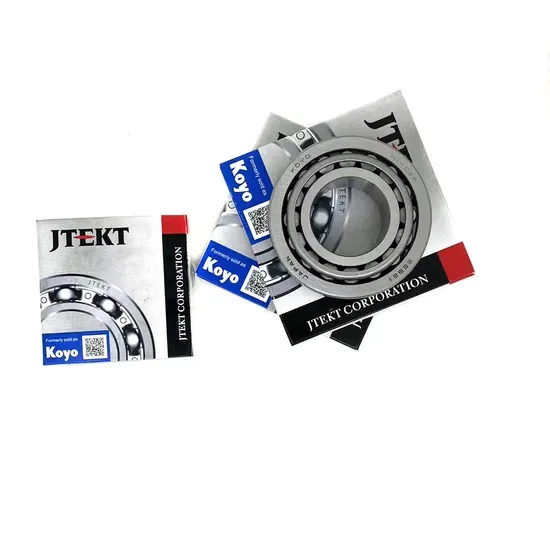
I recall a situation where a local distributor offered “genuine” Koyo bearings at a fraction of the market price. Upon inspection, the packaging lacked the specific holographic seals and batch codes associated with authentic products. The buyer proceeded with the purchase, only to face massive line-stopping losses when the bearings failed prematurely. This incident highlights that the true cost of a bearing includes its reliability and the assurance of its origin.
To avoid such pitfalls, buyers must demand verifiable traceability documents. These documents should link the specific bearing batch to the manufacturer’s production facilities and quality control records. As a global supplier, we maintain a strict inventory system where every unit of Koyo bearings in food mixers is accompanied by complete traceability documentation. This ensures that our clients, whether they are OEMs or MRO operators, receive only original quality products.
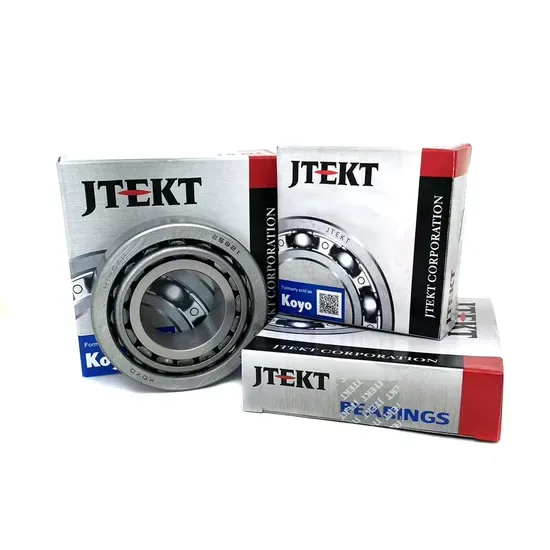
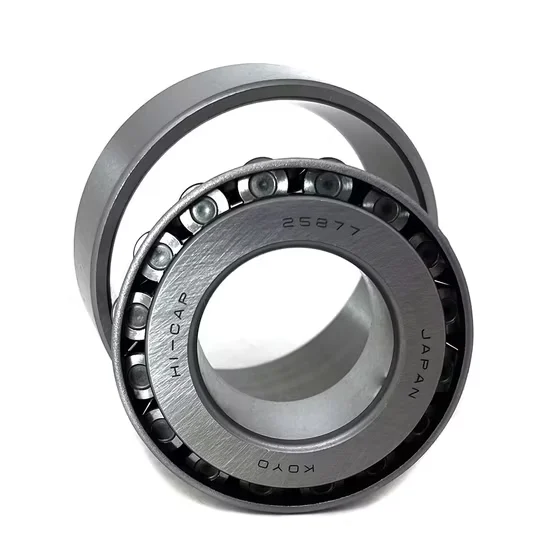
Verifying the physical attributes of the bearing can also provide clues. Genuine Koyo bearings exhibit micron-level precision in their raceway finish and consistent marking clarity. Counterfeits often show irregularities in these areas. However, visual inspection alone is insufficient; documentary evidence remains the gold standard for authentication.
Global Supply & Flexible MOQ for Food Machinery
Consolidated shipping and flexible order quantities minimize downtime and inventory costs.
Food machinery operators often face the dilemma of balancing inventory costs with the need for immediate spare parts. Ordering full containers of single SKUs is inefficient for maintenance purposes, while small orders from official channels can incur prohibitive shipping fees and long lead times. suggest that mixed-batch consolidation is an effective strategy to optimize both cost and availability.
Our service model addresses this by offering flexible MOQs, ranging from single-unit emergency replacements to full container consolidation shipments. This flexibility allows clients to source multiple brands and sizes in a single shipment, reducing logistical complexity and customs clearance time. For instance, an urgent air freight shipment of genuine Koyo bearings can reduce lead time from weeks to days, keeping production lines running during critical breakdowns.
A Middle East steel mill operator once required a mixed batch of bearings for a comprehensive overhaul. By consolidating their order with other requirements, they achieved significant cost savings and faster delivery compared to sourcing each item separately. This approach is particularly beneficial for regional distributors who need to stock multi-brand bearings for local resale.
When selecting Koyo bearings in food mixers, consider the total cost of ownership, including logistics and inventory management. Our global network enables us to provide competitive sourcing costs and reliable delivery schedules, ensuring that your machinery remains operational regardless of location. We support long-term after-sales technical guidance, helping clients analyze failures and optimize their bearing selection for future applications.
Conclusion
Authenticity and technical matching are the pillars of reliable food mixer operation.
Selecting the right bearings involves more than just fitting a part; it requires understanding the interplay between load, speed, and environmental conditions. Genuine Koyo bearings offer the precision and durability needed for food processing, but only when sourced with proper traceability and technical support. By prioritizing verified components and leveraging flexible supply solutions, operators can prevent costly downtime and ensure consistent production quality.