Most bearing failures in high-speed packaging are not quality defects; they are selection errors.
The primary reason KOYO bearings seize in continuous packaging operations is the mismatch between internal clearance classes and the thermal expansion generated by high RPMs, rather than inherent manufacturing flaws. Selecting the correct suffix for cage material and seal type is equally critical to preventing catastrophic downtime in environments exposed to syrups, dust, and washdown cycles.
Walking through a beverage plant in Riyadh, the air was thick with the scent of spilled syrup and overheated metal. The high-speed filling line had been silent for two days. The culprit was not a broken motor or a software glitch, but a set of cylindrical roller bearings on the main conveyor rollers that had locked up due to extreme heat. The maintenance team had sourced replacements from a non-authorized channel to cut costs. The part numbers looked identical, but the internal clearance was wrong for the operating speed. As soon as the line hit full RPM, the heat buildup eliminated the running clearance, causing the rollers to weld themselves to the raceways. This scenario is not unique to the Middle East; it is a global issue where the nuance of Koyo Bearings for Packaging Lines is overlooked in favor of simple part number matching.
Why Do KOYO Bearings Seize in High-Speed Packaging Lines?
Heat buildup from incorrect clearance selection is the silent killer of continuous packaging operations.
In high-speed packaging environments, bearings do not just rotate; they generate significant thermal energy. When a bearing is selected with standard internal clearance (C2 or Normal) for a high-RPM application, the inner ring expands faster than the outer ring due to direct contact with the rotating shaft. If the initial clearance is insufficient, this thermal expansion eliminates the necessary running gap, leading to pre-load conditions that generate even more heat. This positive feedback loop results in rapid temperature spikes and eventual seizure.
The choice of clearance class is not arbitrary. For packaging lines operating at sustained high speeds, C3 or C4 clearance classes are often required to accommodate thermal growth. However, many procurement teams order standard clearance bearings because the specific suffix is omitted from the purchase order. The result is a bearing that fits perfectly during installation but fails catastrophically within hours of full-load operation.
A European food processing facility recently reported a series of unplanned stops on their wrapping line. The investigation revealed that the replacement bearings supplied by a local trader had standard clearance instead of the specified C3 clearance. The difference in microns was negligible to the naked eye, but at 3,000 RPM, it was enough to cause immediate lock-up. This highlights why understanding the technical specifications behind Koyo Bearings for Packaging Lines is essential for maintaining operational continuity.
Decoding KOYO Suffixes for Packaging Applications
The suffix code is not just administrative data; it dictates the bearing’s survival in harsh packaging environments.
KOYO bearing part numbers include suffixes that define critical features such as cage material, seal type, and internal clearance. Ignoring these suffixes is equivalent to ignoring the bearing’s operating limits. In packaging lines, bearings are frequently exposed to moisture, cleaning agents, and particulate matter like sugar dust or cardboard fibers. A standard open bearing will fail quickly in these conditions, while a properly sealed unit with the right cage material can last for years.
| Feature | Standard Suffix | Packaging Line Recommended Suffix | Impact on Performance |
|---|---|---|---|
| Internal Clearance | None (Normal) | C3 or C4 | Prevents seizure due to thermal expansion at high speeds |
| Cage Material | None (Steel) | M (Brass) or T4 (Polyamide) | Reduces weight and friction; better shock resistance |
| Seal Type | None (Open) | DD (Rubber Contact) or DU (Non-contact) | Protects against syrup ingress and washdown chemicals |
| Lubrication | None (Standard) | S1 (High-temp grease) | Maintains viscosity under elevated operating temperatures |
Consider the case of a confectionery manufacturer in Southeast Asia. Their packaging line experienced frequent bearing failures due to sugar dust ingress. The original equipment manufacturer had specified open bearings to reduce friction, but the environment was too contaminated. By switching to bearings with a rubber contact seal (suffix DD) and a polyamide cage (suffix T4) for reduced weight and inertia, the facility extended bearing life significantly. The brass or polyamide cages also offer better performance in high-speed applications compared to standard steel cages, which can suffer from fatigue under rapid acceleration and deceleration cycles typical of packaging machinery.
When sourcing Koyo Bearings for Packaging Lines, verifying the suffix is as important as verifying the brand. A bearing with the correct base number but the wrong suffix is effectively the wrong part. This level of detail is often lost in generalist supply chains, leading to mismatches that only become apparent after installation.
The Hidden Cost of Non-Genuine or Mismatched Bearings
The premium for verified genuine parts is negligible compared to the cost of unplanned downtime.
Many MRO managers face pressure to reduce spare parts costs, leading them to explore non-authorized channels. While the upfront savings may appear attractive, the total cost of ownership often skyrockets due to premature failures. Non-genuine bearings may use lower-grade steel or improper heat treatment, leading to early fatigue spalling. More commonly, even genuine bearings sourced through unauthorized channels may have been stored improperly, leading to corrosion or lubricant degradation before they are even installed.
A bottling plant in Latin America experienced a mid-six-figure loss due to a single day of downtime caused by a seized main drive bearing. The bearing had been purchased from a trader who could not provide traceability documentation. Upon inspection, the bearing showed signs of poor manufacturing quality, including inconsistent raceway hardness. Had the plant sourced the bearing from a verified supplier with full traceability, the risk of such a defect would have been minimized. The cost of the bearing was a fraction of the lost production revenue, highlighting the false economy of cheap sourcing.
Furthermore, mismatched bearings—those that are genuine but incorrect for the application—cause similar financial damage. As seen in the Riyadh case, the wrong clearance led to a 48-hour stoppage. The cost of expediting emergency repairs, overtime labor, and lost product far exceeded the price difference between a standard and a C3 clearance bearing. When evaluating Koyo Bearings for Packaging Lines, the focus must shift from unit price to reliability and traceability.
How to Source and Verify Genuine KOYO Bearings
Traceability documentation is the only reliable proof of authenticity in a market flooded with counterfeits.
Sourcing genuine bearings requires more than just trusting a supplier’s word. It demands a rigorous verification process that includes checking traceability documents, verifying authorized channel status, and inspecting physical characteristics. Authorized distributors provide full batch-level traceability, linking each bearing to its manufacturing origin and quality control records. This level of transparency is crucial for industries with strict compliance requirements, such as food and beverage processing.
Key steps for verification include:
- Request Traceability Docs: Ask for the original certificate of conformity and batch numbers. Verified suppliers can provide these documents instantly.
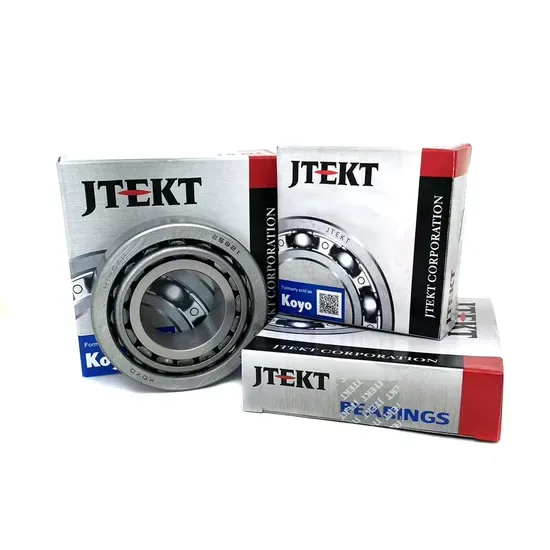
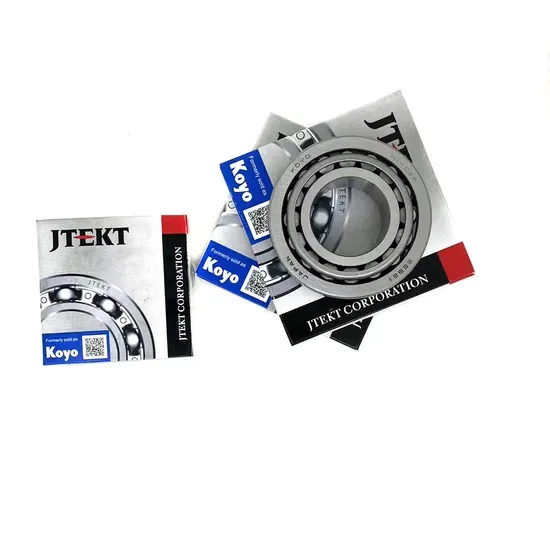
- Check Packaging: Genuine KOYO bearings come in high-quality packaging with clear printing and holographic security labels. Counterfeit packaging often has blurry text or poor-quality materials.
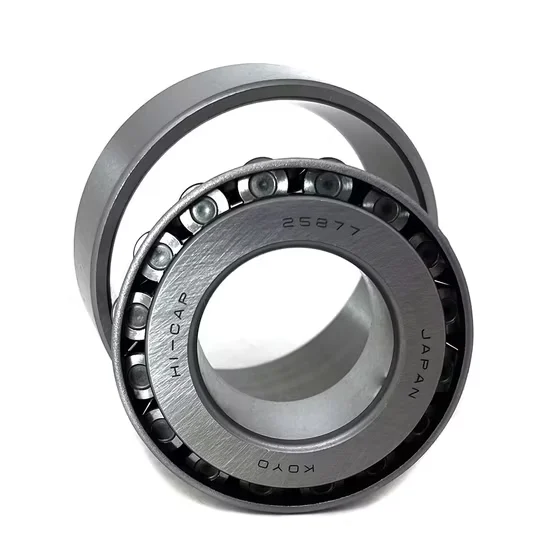
- Inspect Physical Features: Look for precise engraving of the part number and brand logo on the bearing ring. Counterfeits often have shallow or uneven engraving.
- Verify Supplier Status: Ensure the supplier is an authorized partner or has a proven track record of sourcing directly from the manufacturer.
A mining operator in Africa switched to a supplier that provided complete traceability documentation for all bearing purchases. Within a year, their bearing failure rate dropped noticeably, and they achieved a zero-failure run on their critical conveyor systems. The ability to trace each bearing back to its production batch allowed them to identify and resolve a minor quality issue quickly, preventing a wider rollout of defective parts. This experience underscores the value of partnering with a supplier who prioritizes authenticity and documentation.
For MRO managers and OEMs, sourcing Koyo Bearings for Packaging Lines from a partner who offers cross-brand equivalent consultation and flexible MOQs can further enhance operational efficiency. Whether needing a single emergency replacement or a container load for a new line, having access to genuine stock with verified provenance ensures that packaging lines remain productive and profitable.
Conclusion
Correct clearance selection and verified authenticity are non-negotiable for high-speed packaging reliability.
Preventing bearing seizures in packaging lines requires a deep understanding of thermal dynamics and suffix specifications, not just part number matching. By prioritizing traceability and selecting the appropriate internal clearance and seal types, operators can avoid costly downtime and ensure long-term equipment health. Sourcing from verified partners who provide full documentation and technical support is the most effective strategy for maintaining operational continuity in demanding packaging environments.